

Vitamin C serum for an even tone, fewer dark spots and more glow
Frequently asked questions
A vitamin C serum brightens your skin, evens out your tone and brings back its glow. It slows down pigment production, so sun spots and marks left after breakouts gradually fade. As an antioxidant, it protects your skin during the day from damage caused by sun and air pollution. It also supports the production of structural proteins, so your skin becomes firmer over time.
Most often in the morning, because during the day it works as an antioxidant and adds to your sun protection. The evening is fine too, if your morning is reserved for something else. The only important thing is not to apply it together with acids or a retinoid. In the morning, apply SPF after it.
To start, 5% is enough. Your skin tolerates a serum like this well, and it already shows results in glow and tone. Higher percentages work faster, but they sting and irritate more often. For reactive skin, a stabilized form or a cream with capsules is better.
Yes, for dark spots vitamin C is one of the first choices. It works where pigment forms, so dark spots gradually fade. It needs two to three months of regular use and daily SPF, otherwise the spots come back. For stubborn spots, combine it with vitamin B3 or arbutin.
With vitamin B3 and a hydrating ingredient without any problem, even in the same product. The old story that vitamin C and vitamin B3 don't mix doesn't hold true for modern formulas. Retinoids and acids, however, should be split up: the morning is for vitamin C, the evening for a retinoid or acids. With reactive skin, introduce new ingredients one at a time.
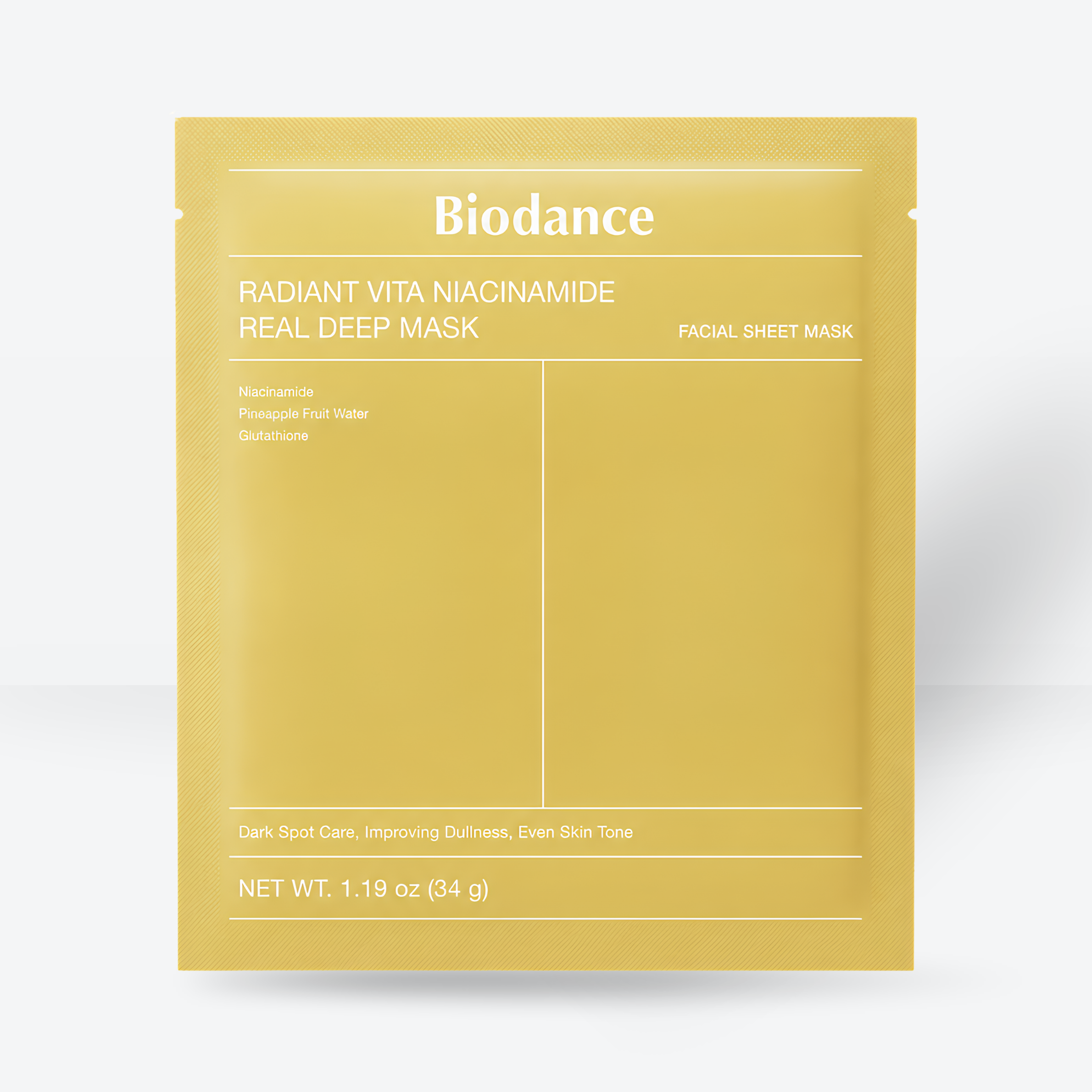
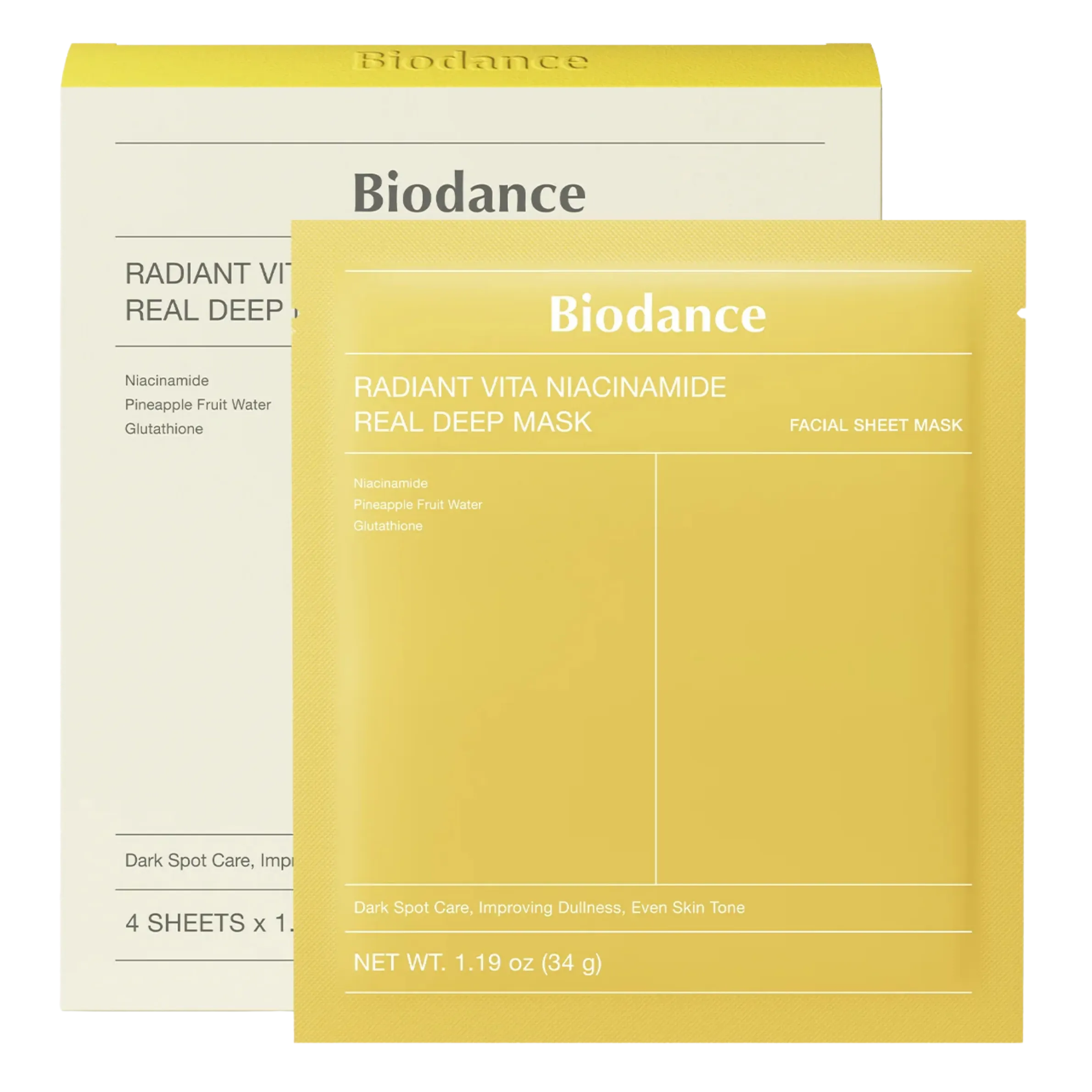
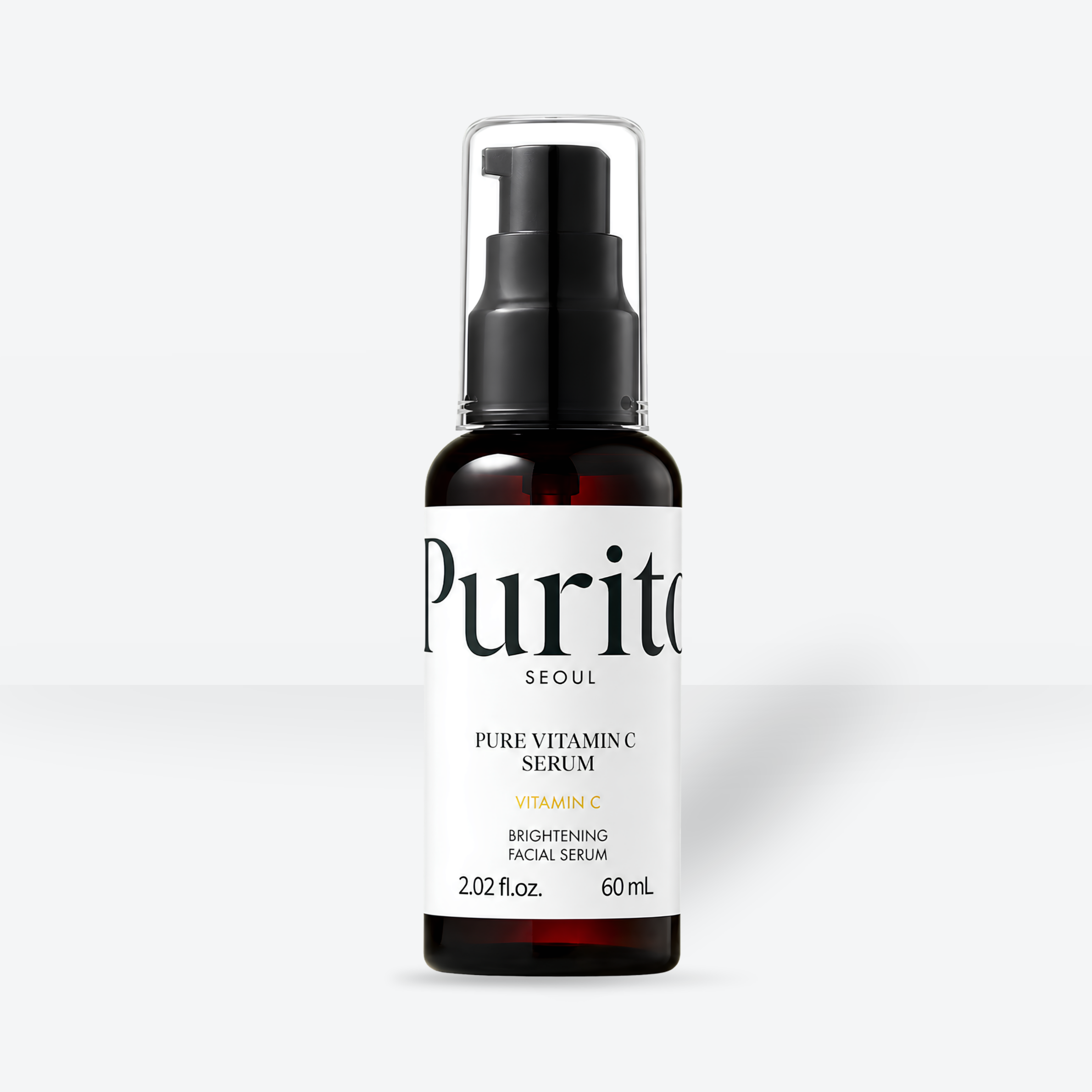
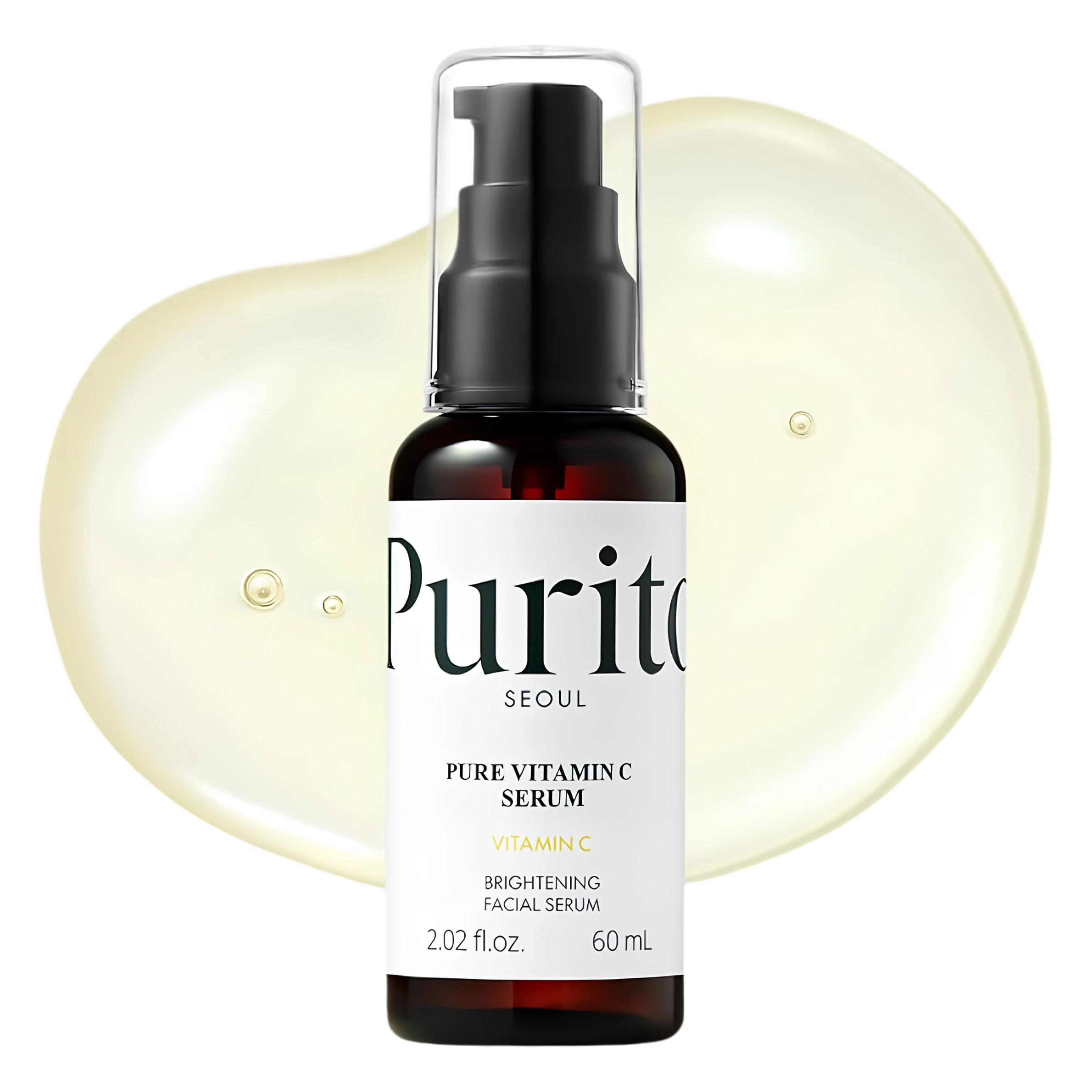
Glutathione is an antioxidant that your body makes on its own. In skincare it's added to vitamin C, because together they even out your tone more and protect your skin better from free radicals. You'll find it in the PURITO Pure Vitamin C serum and in the BIODANCE Radiant Vita hydrogel mask. On its own it doesn't irritate and it suits every skin type.
Because it oxidized. Pure vitamin C breaks down in air, light and heat and turns yellow to orange. A slightly yellow serum still works, but replace a dark orange one. That's why you should keep it closed, away from light and heat.
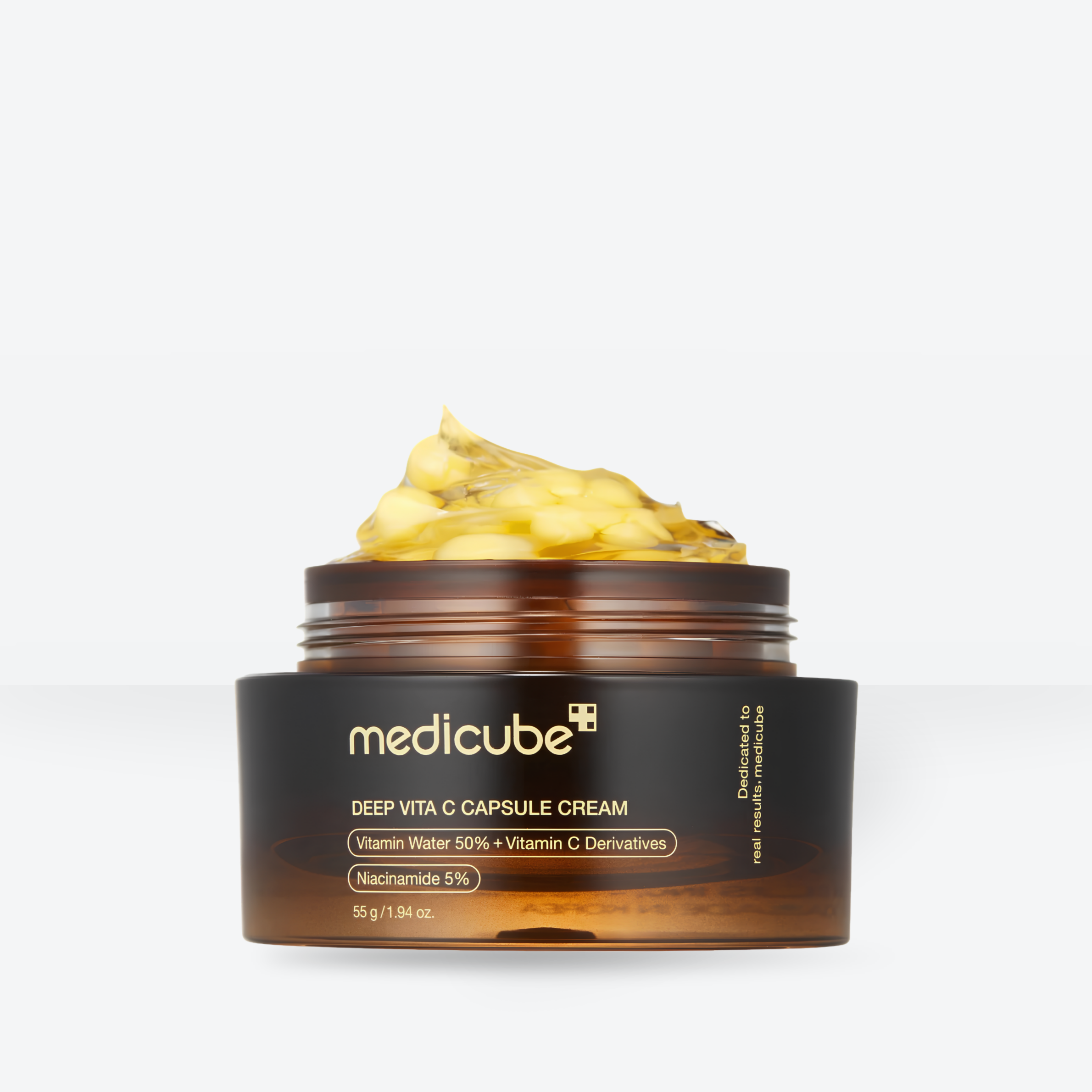
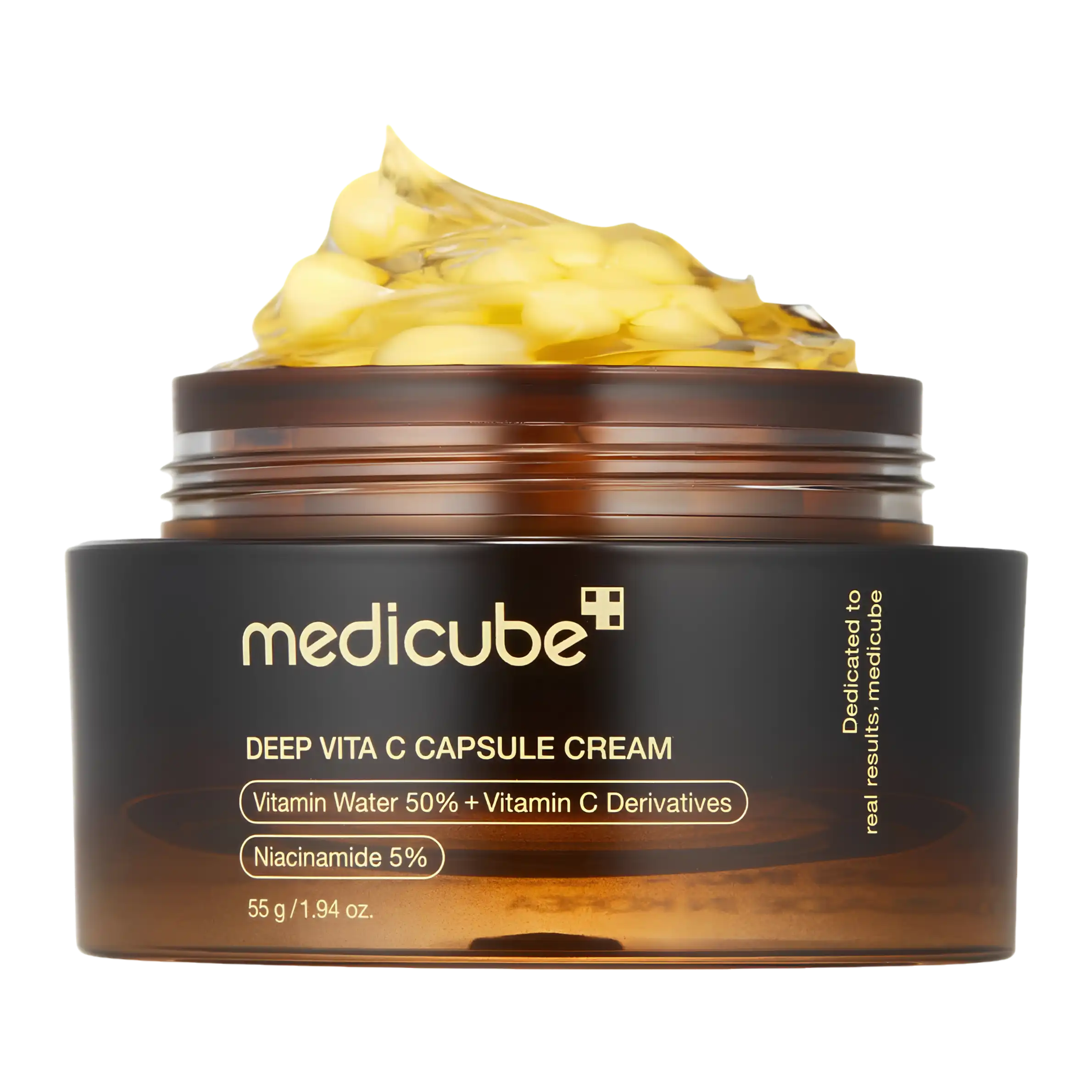
Yes, if you choose the right form. Pure vitamin C in high percentages can sting, so for reactive skin choose a lower percentage or a stabilized form in capsules. The MEDICUBE Deep Vita C Capsule Cream is made for reactive skin too. Before the first use, test the serum behind your ear or along your jawline.
A vitamin C face serum is more concentrated and works faster, so it's the first choice for dark spots and a dull complexion. A vitamin C face cream works more gently and hydrates at the same time, so it's good for dry and reactive skin. You can also combine them: the serum in the morning, the cream morning and evening. To start, one of them is enough.
You'll notice more glow and a fresher complexion after two to three weeks. Sun spots and marks left after breakouts fade after two to three months of regular use. The effect on skin firmness builds up even longer. Don't switch products in the meantime, and use SPF every day.