

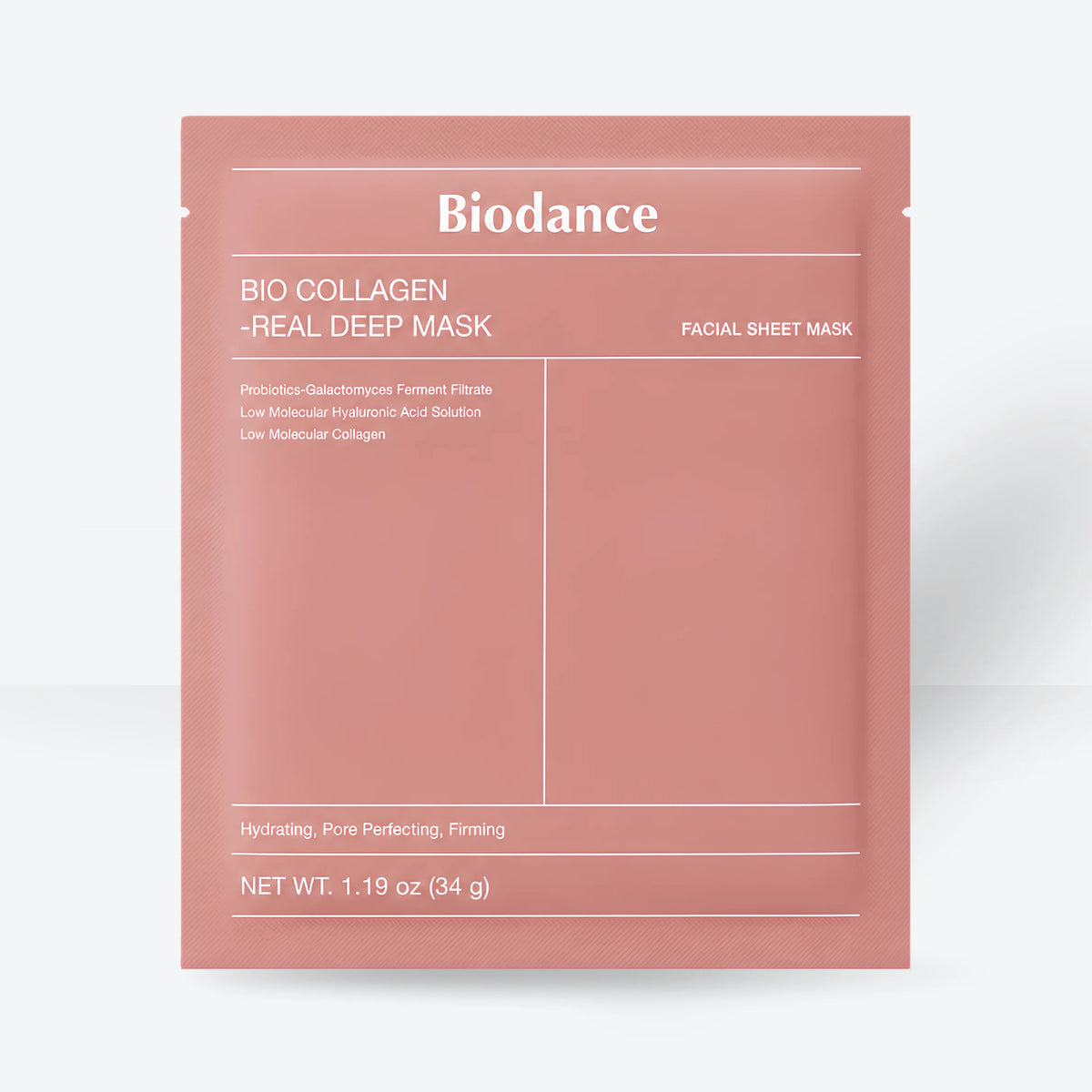
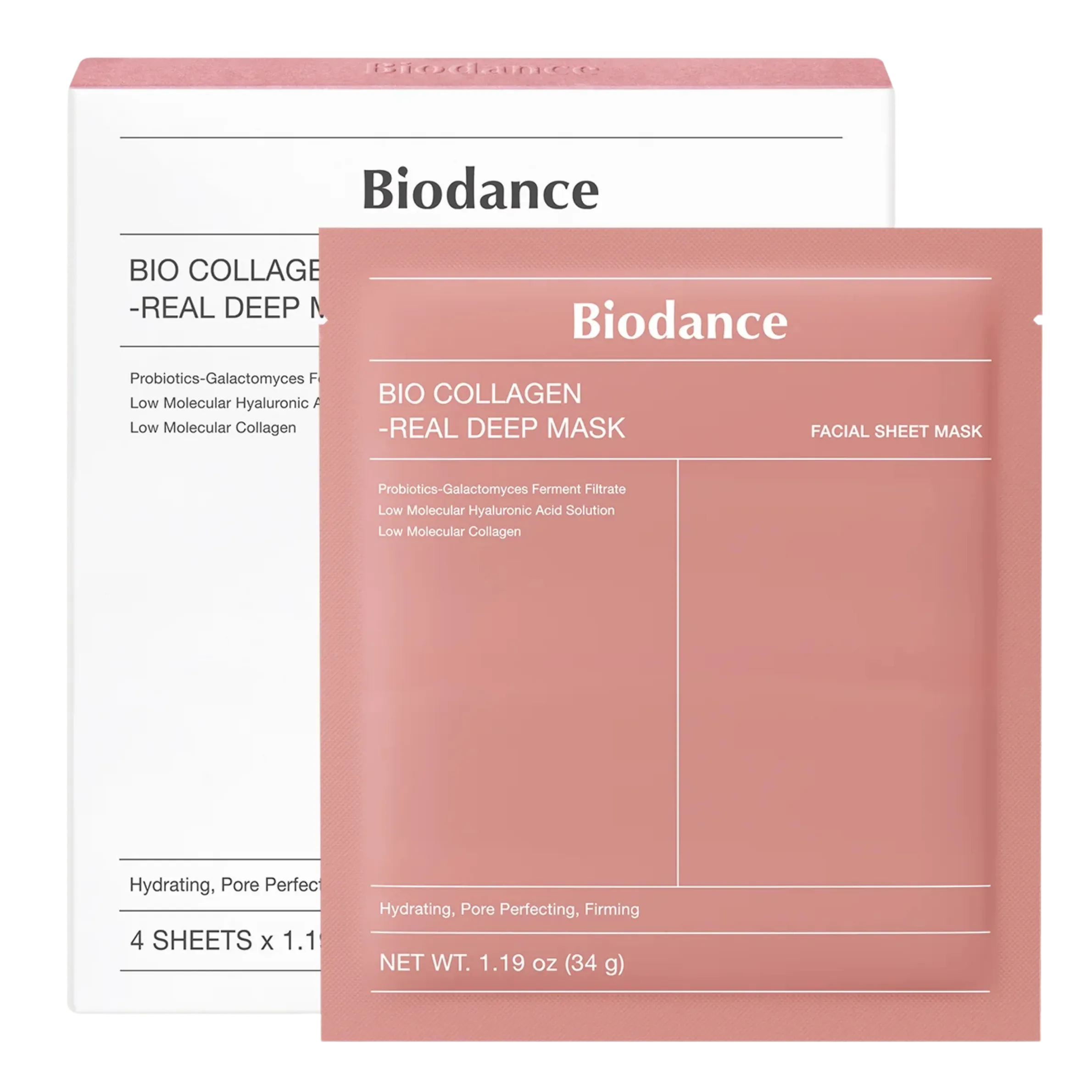
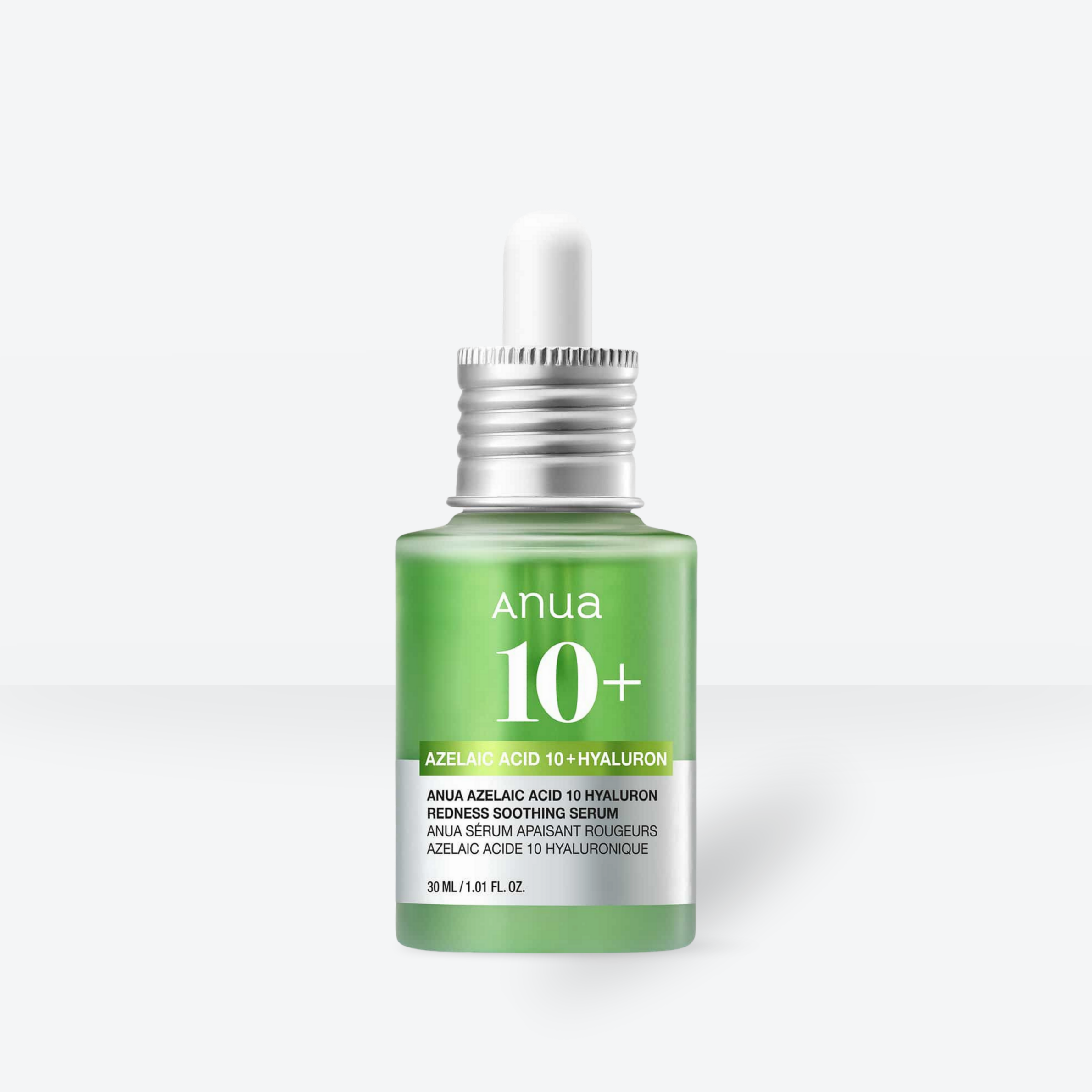
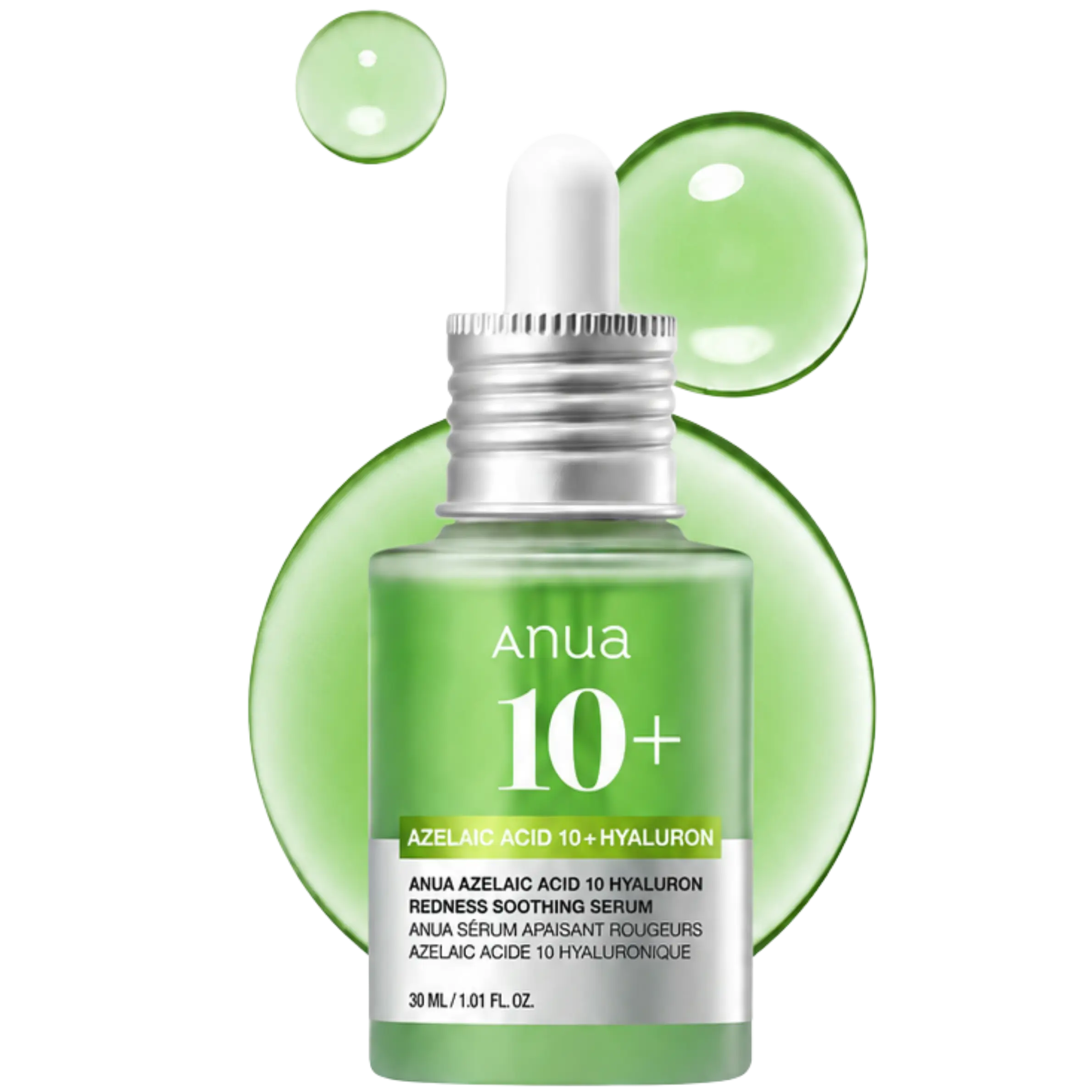


Dry Facial Skin Care without Tightness or Flaking
Frequently asked questions
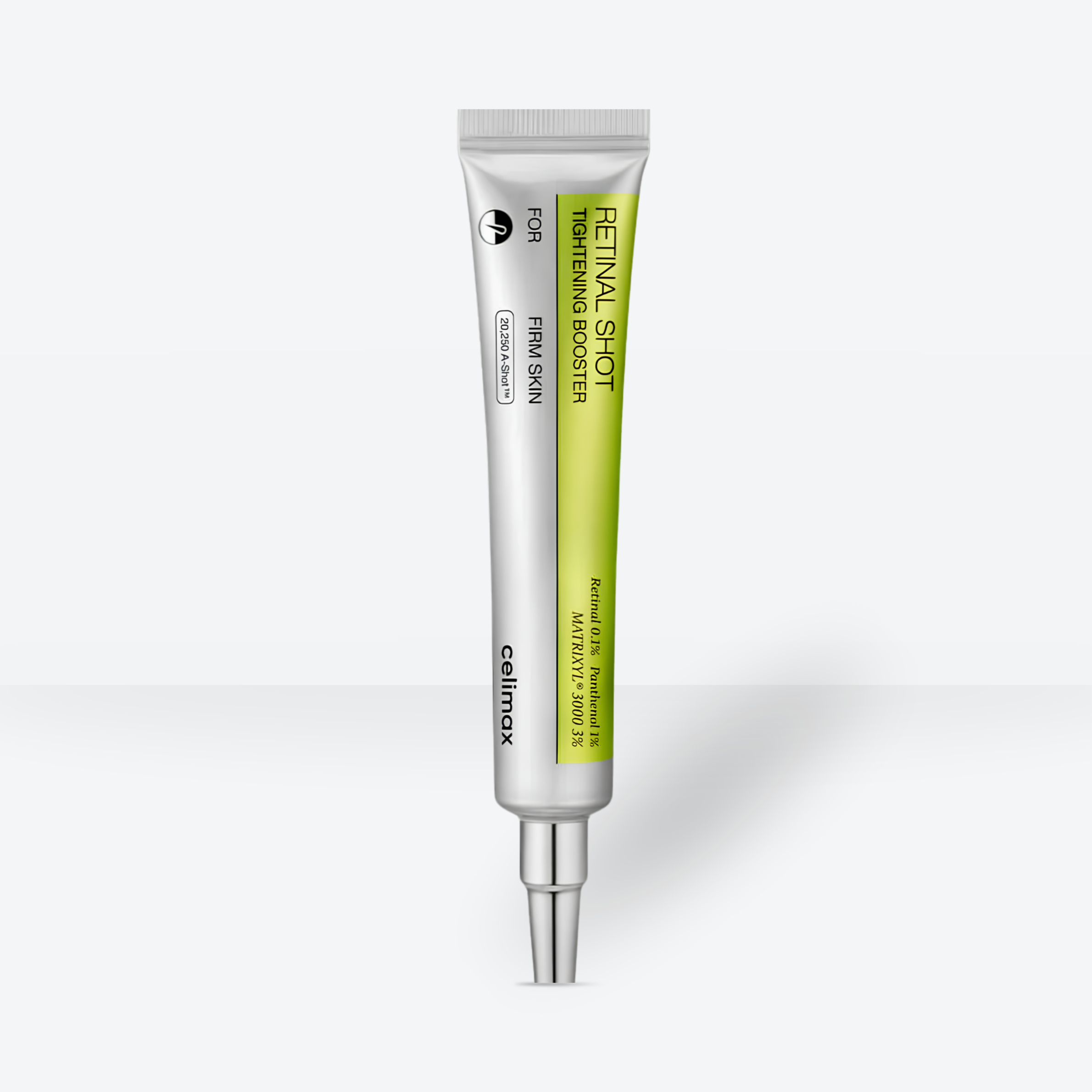
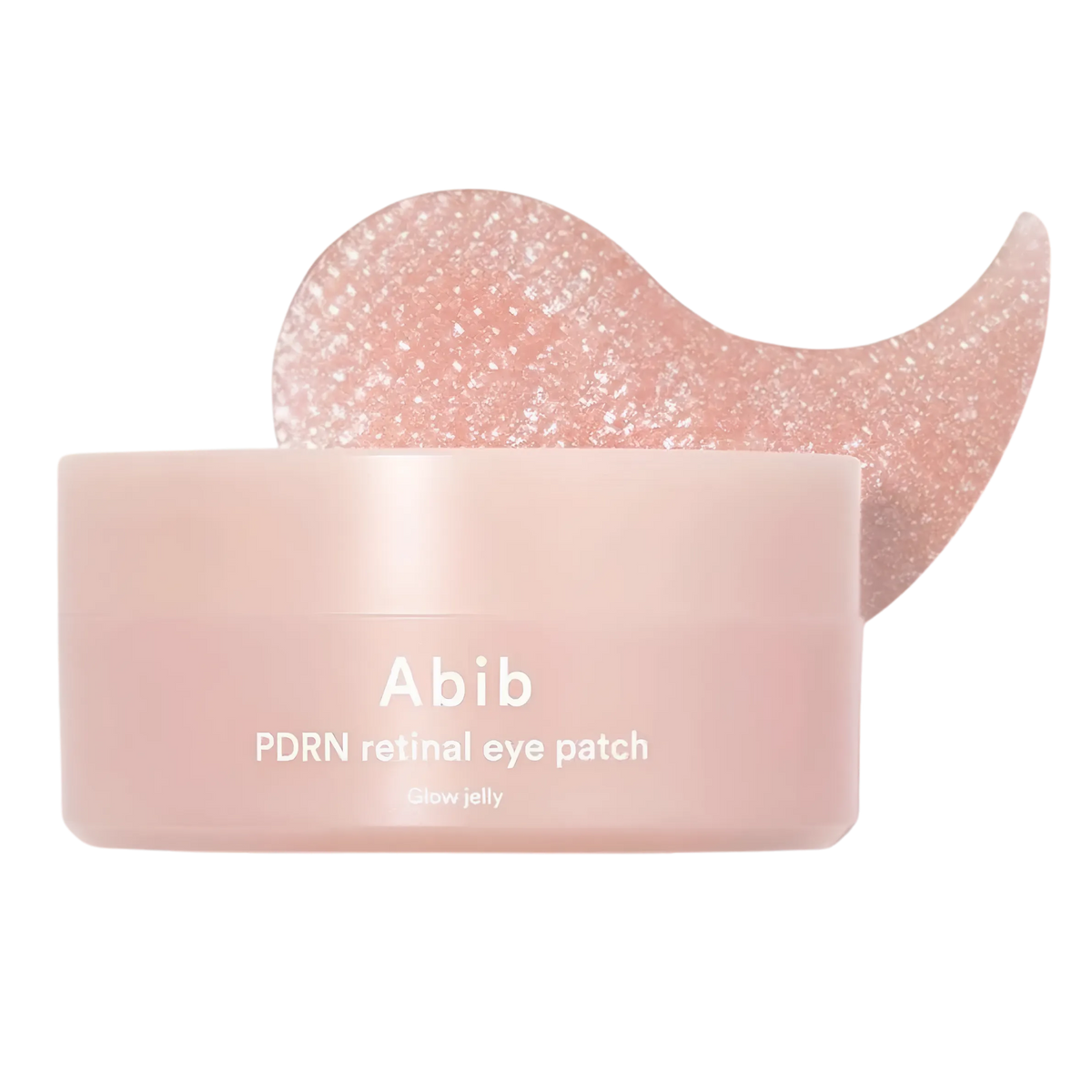
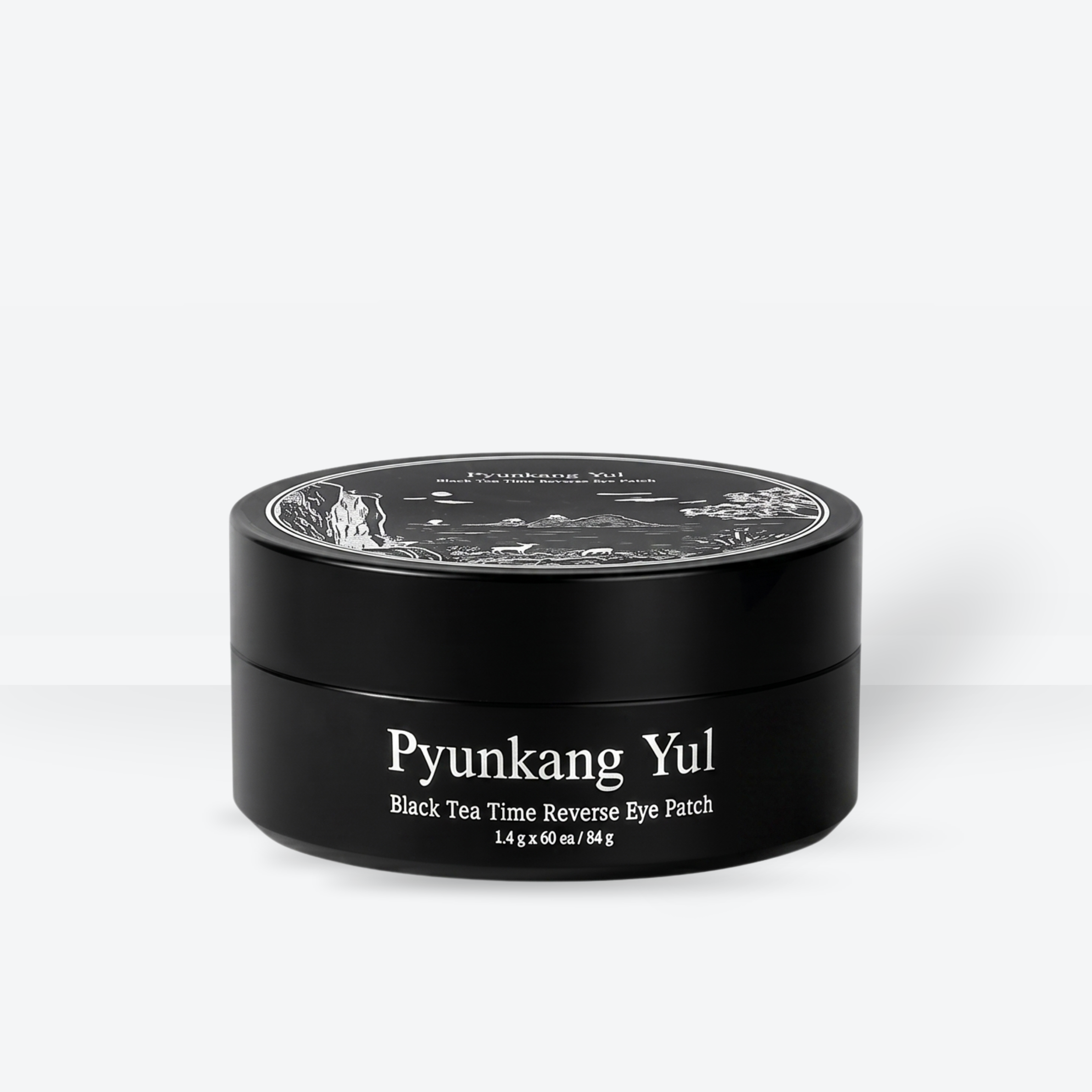
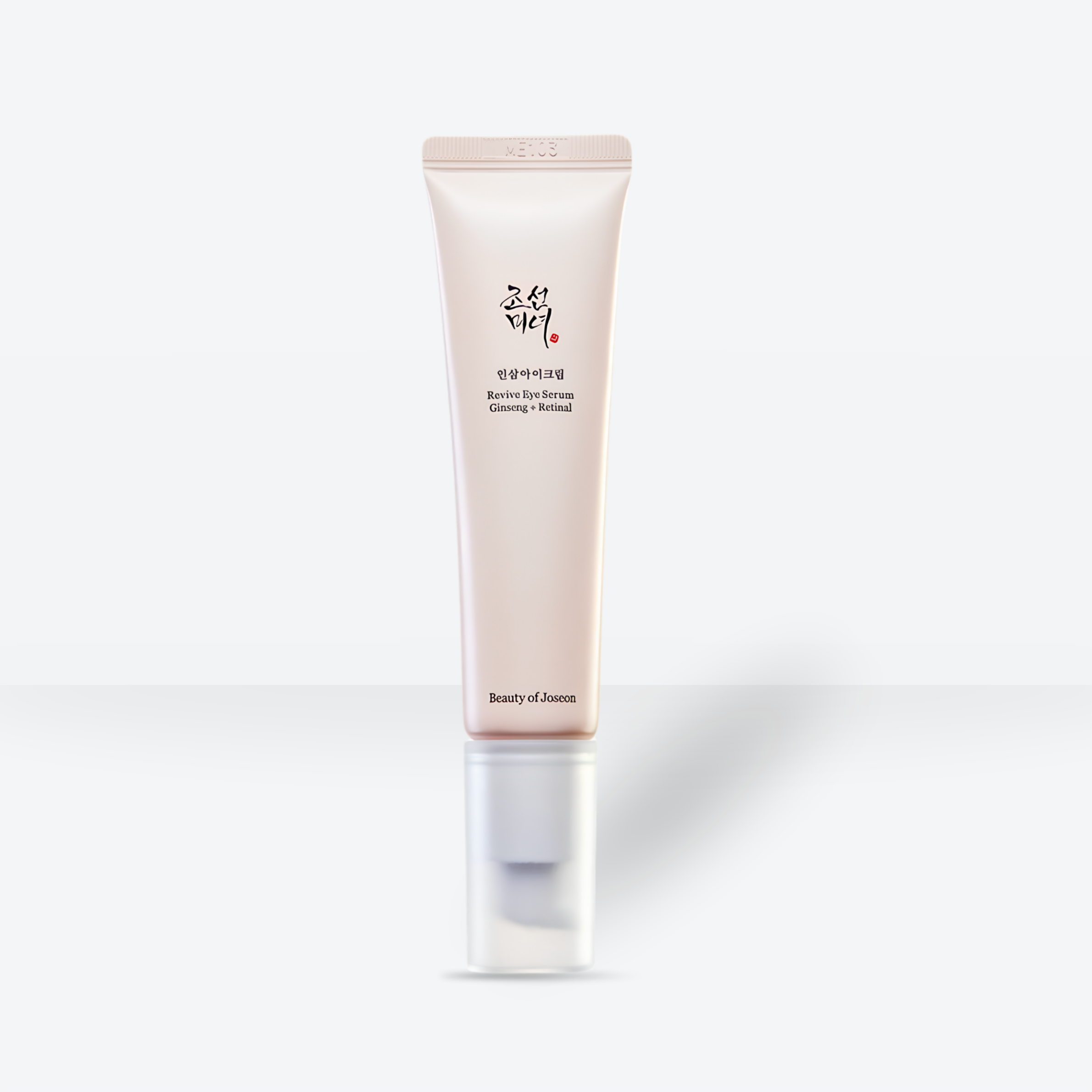
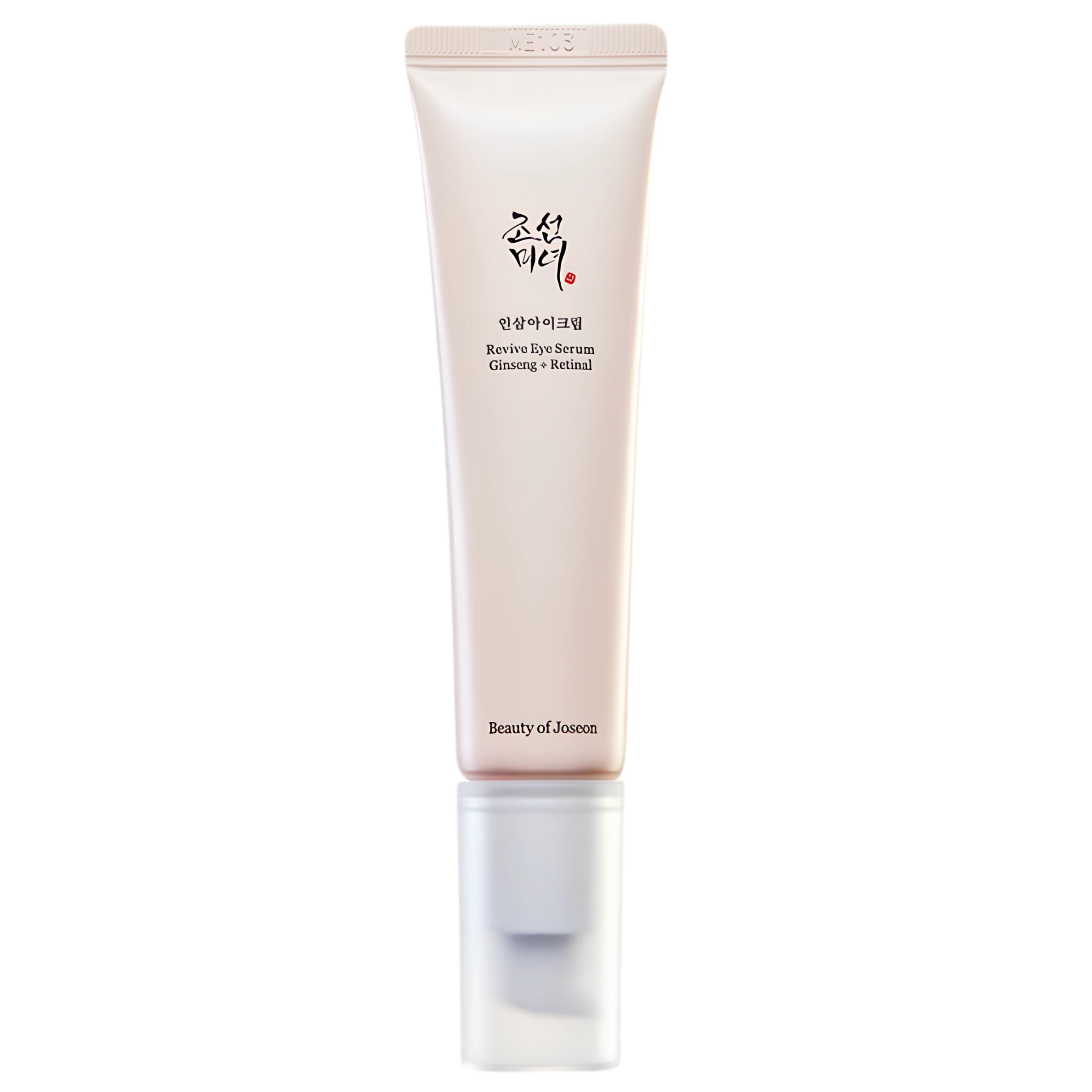
The skin under your eyes and on your eyelids is the thinnest on your face and has very few oil glands. That's why it dries out quickly, especially in winter, with allergies or from rubbing. Don't use facial acids or retinol there; choose a dedicated eye cream or eye patches instead. If the skin on your eyelids stays red, itchy or flaky for a long time, see a dermatologist, because it could be eczema or an allergy.
Dry skin is a skin type that lacks lipids. Dehydrated skin is a condition where your skin lacks water, and it can happen with any skin type, even oily. Dry skin is often dehydrated too, so it needs both: hyaluronic acid for water and ceramides for lipids. Dehydrated oily skin, on the other hand, only needs water.
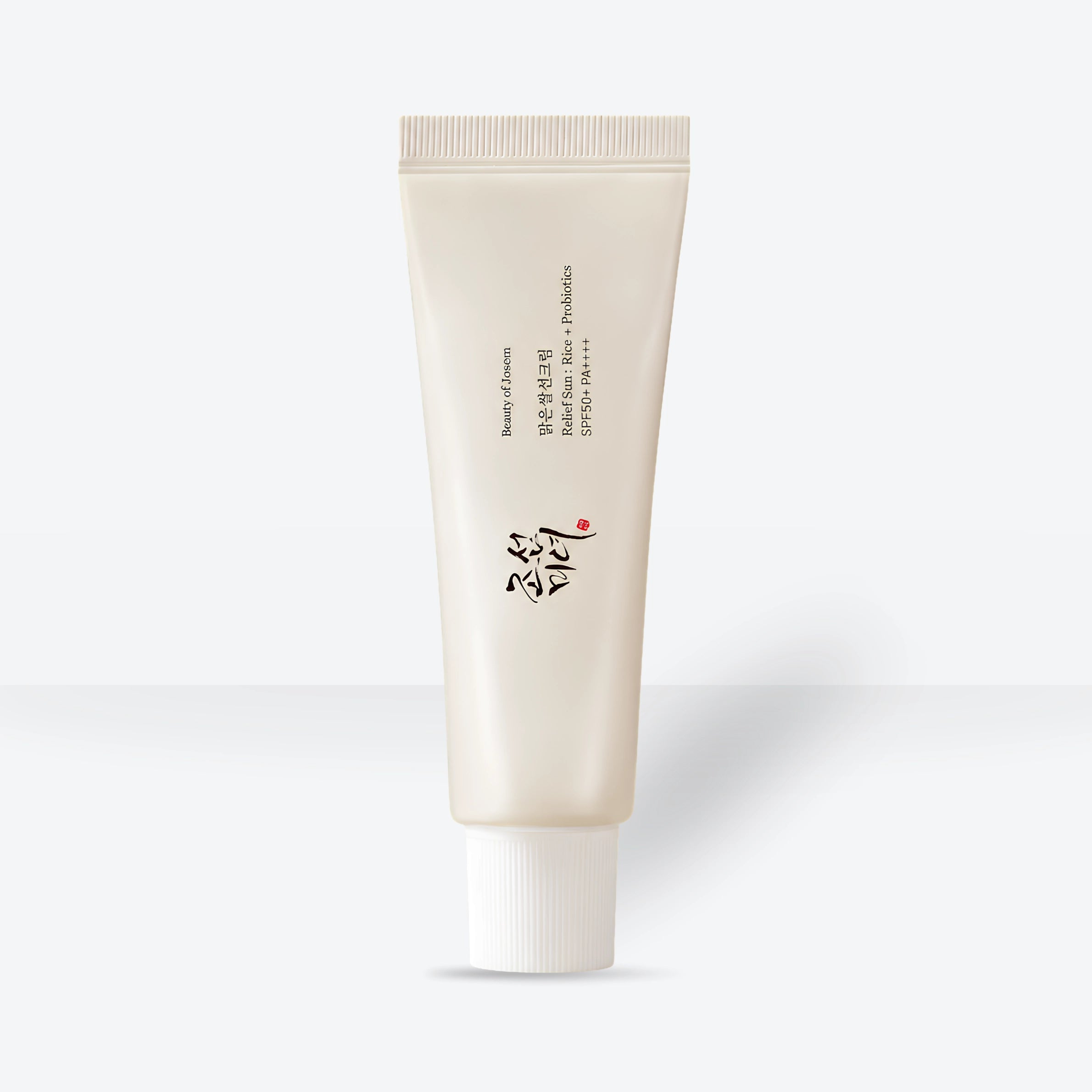
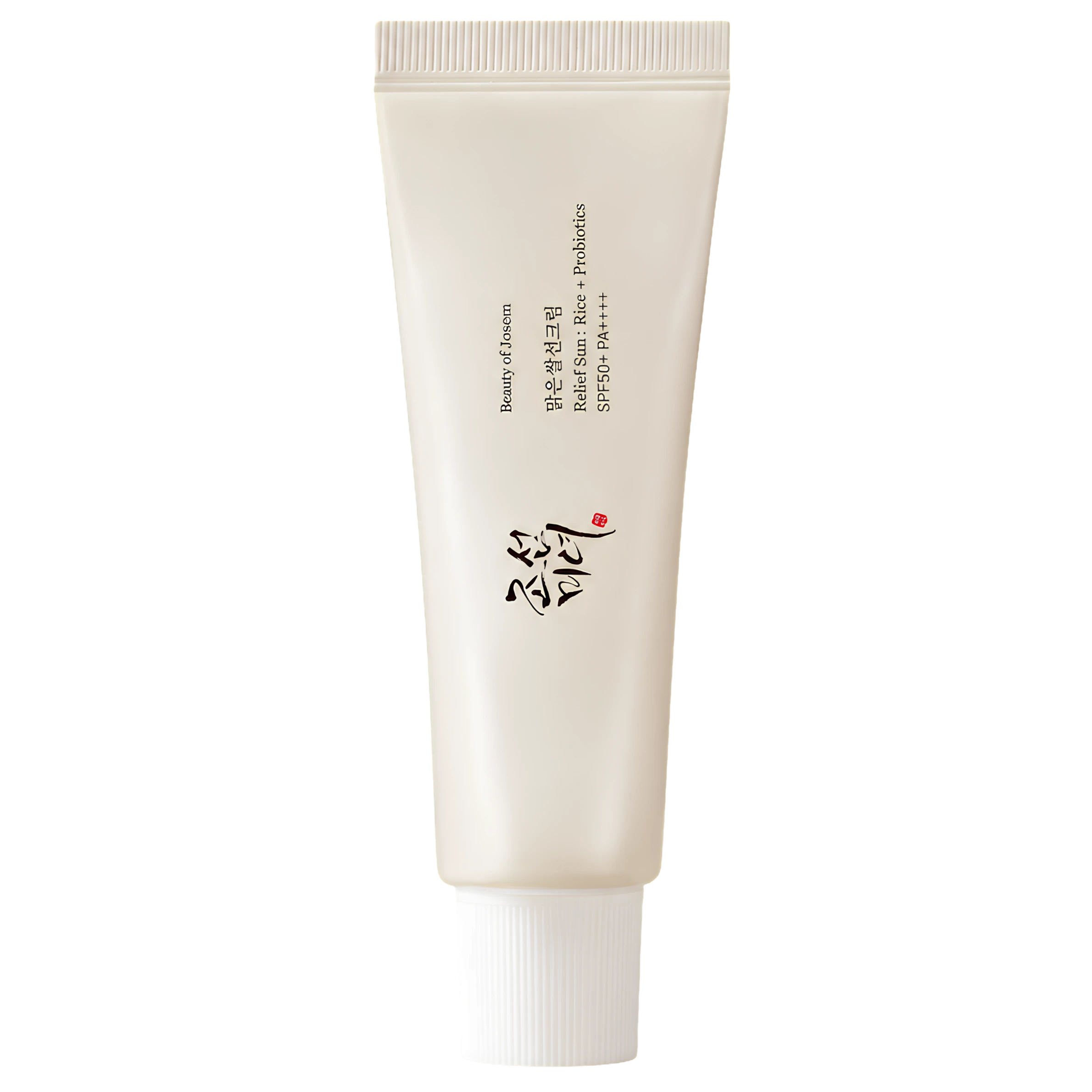
Gentle cleansing, hydration in several layers and a cream that seals the moisture in. In the evening, use a cleansing oil, then toner, a hydrating serum and a ceramide cream. In the morning, add SPF. Keep exfoliants and strong actives to a minimum, no more than once a week.
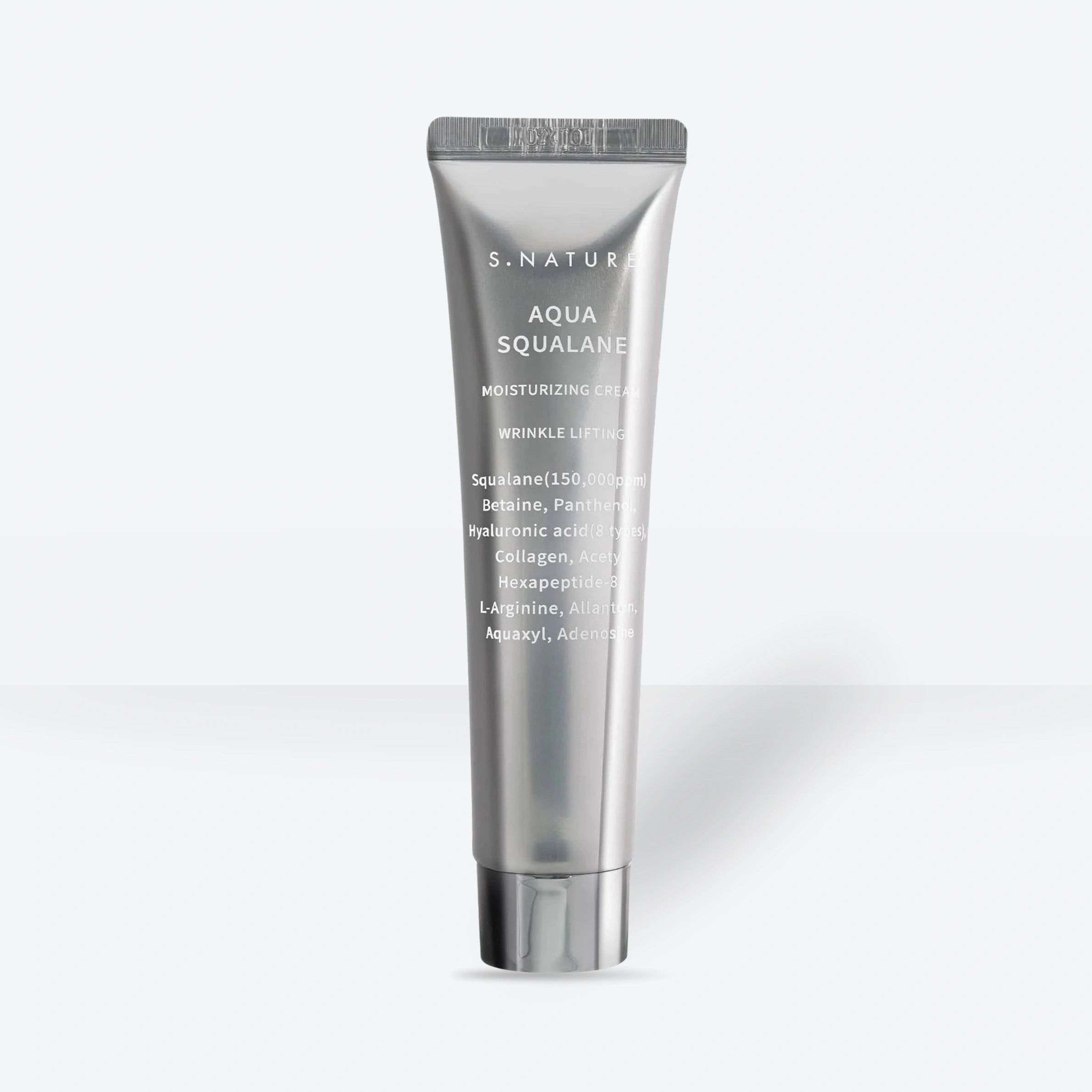
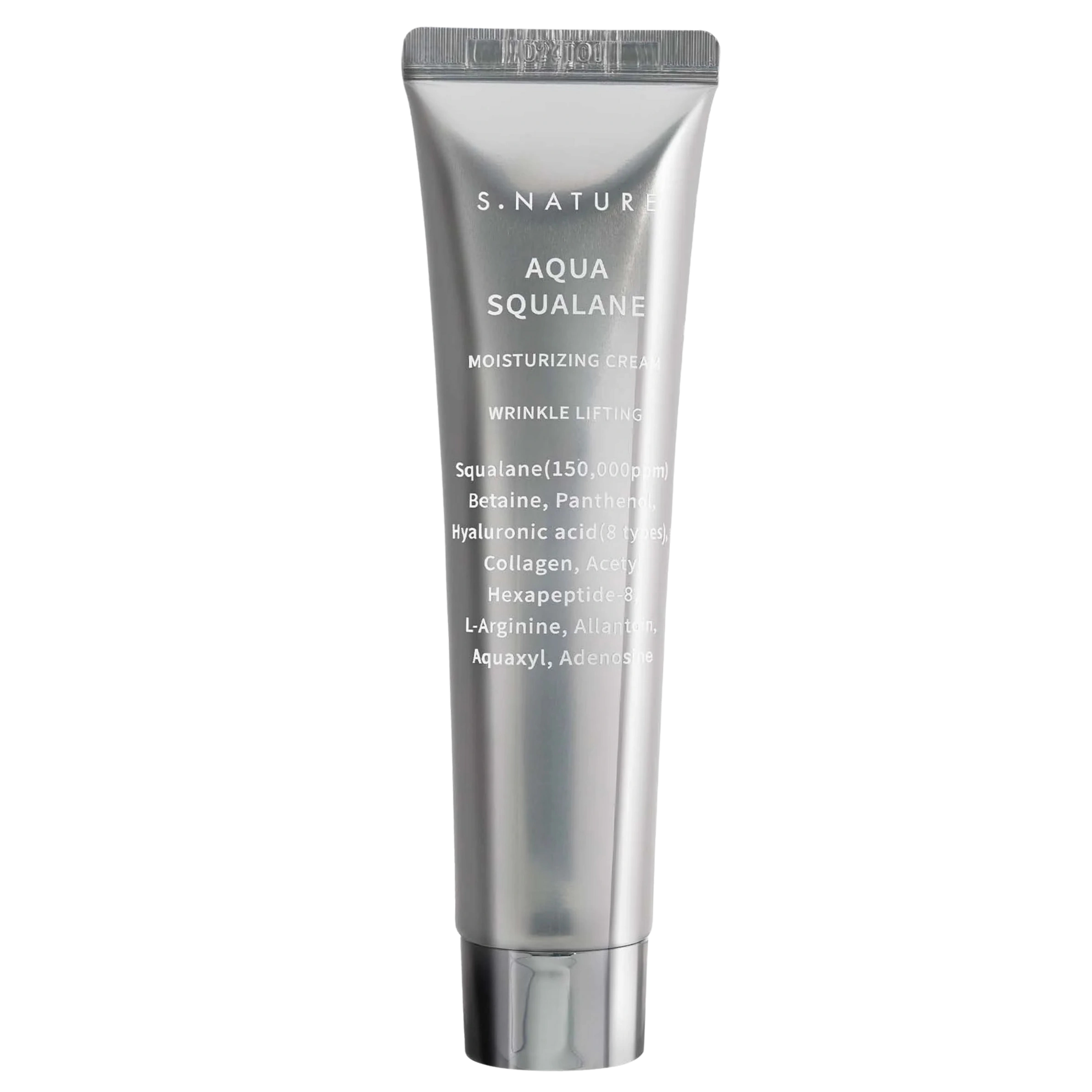
Not necessarily the richest one, but one with barrier-repairing ingredients: ceramides, squalane, panthenol or ectoin. A light moisturizer only hydrates dry skin for a short time. A cream with lipids holds moisture in throughout the day and night. If your skin still feels tight despite the cream, add a hydrating serum underneath or choose a richer barrier cream.
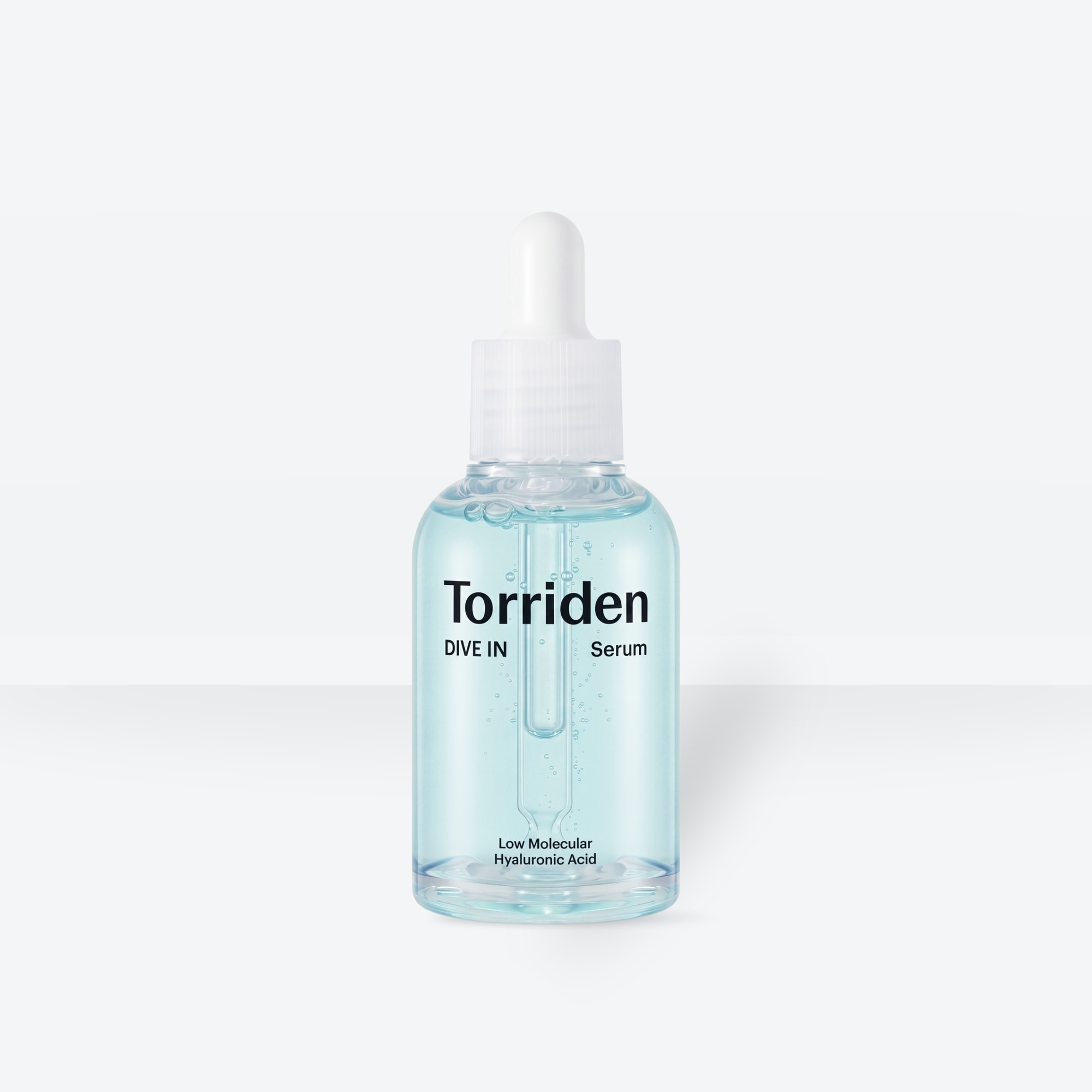
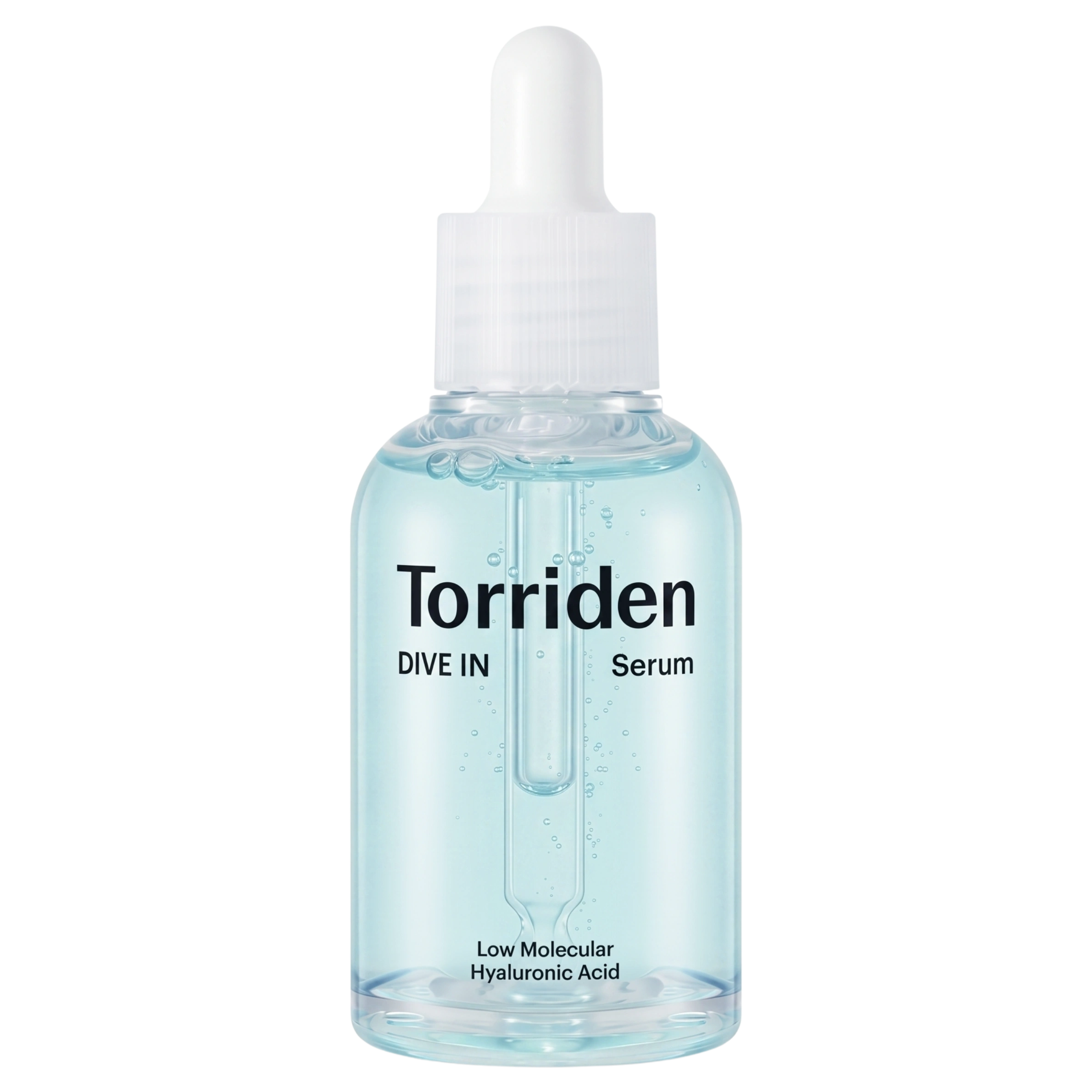
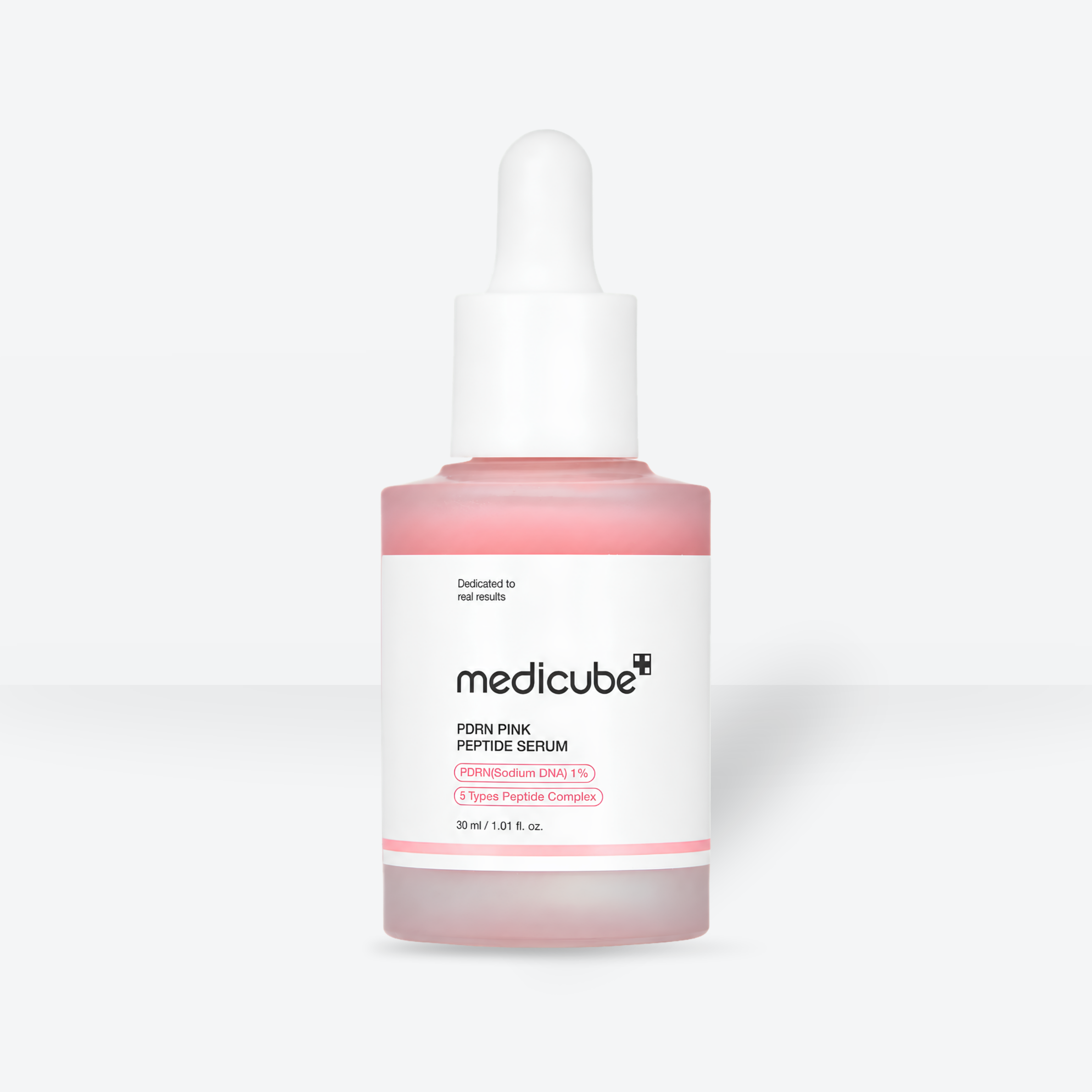
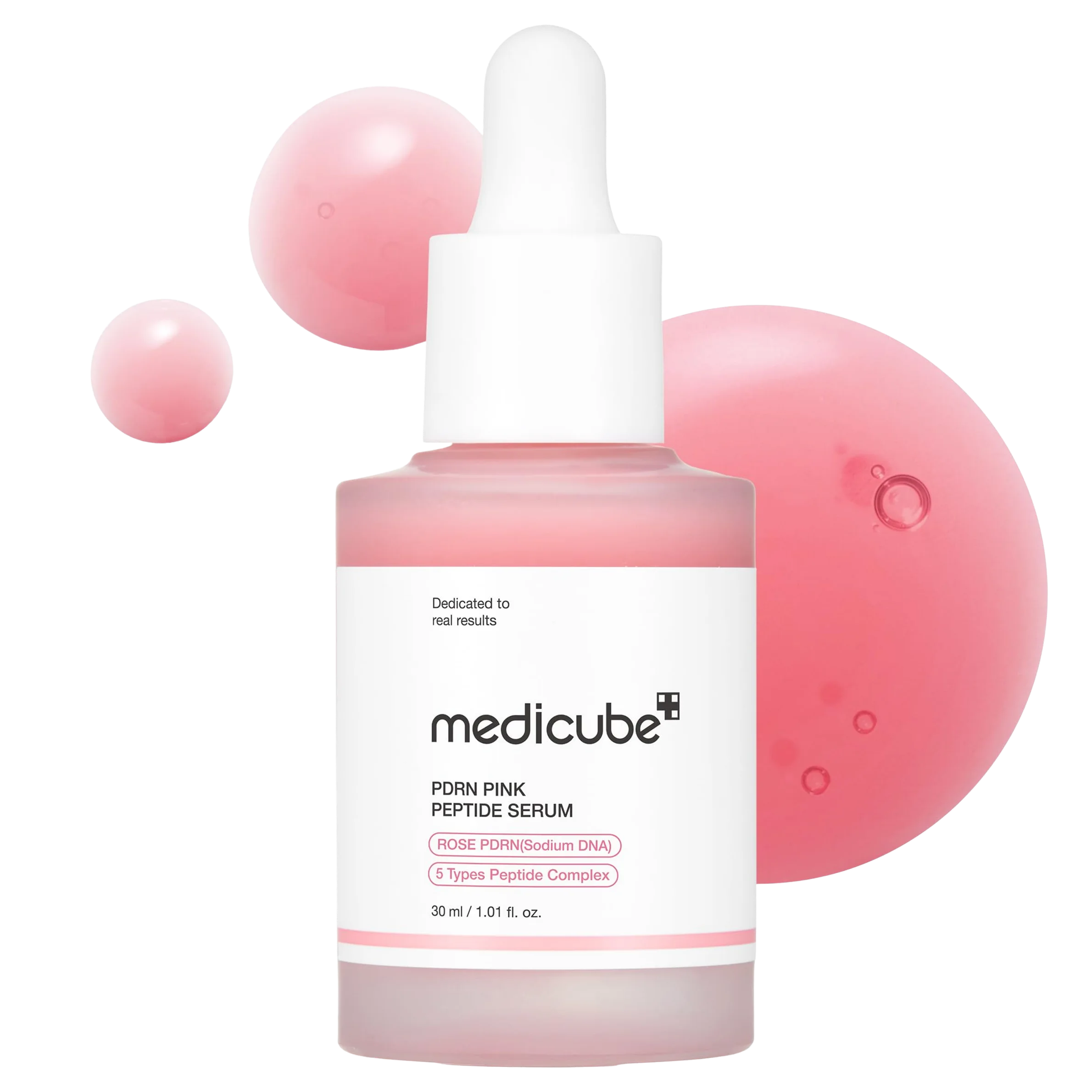
A serum with hyaluronic acid, ceramides or PDRN. These bind moisture and support barrier repair. Apply it to skin that's still slightly damp from toner, because it binds more water that way. Then apply a cream on top to hold the moisture in.
Yes, but rarely and gently. Use a mild enzyme or acid exfoliant no more than once a week to remove dead skin cells and help your cream absorb better. Grainy physical scrubs can irritate dry skin. If your skin feels tight or stings, skip exfoliating for a few weeks.
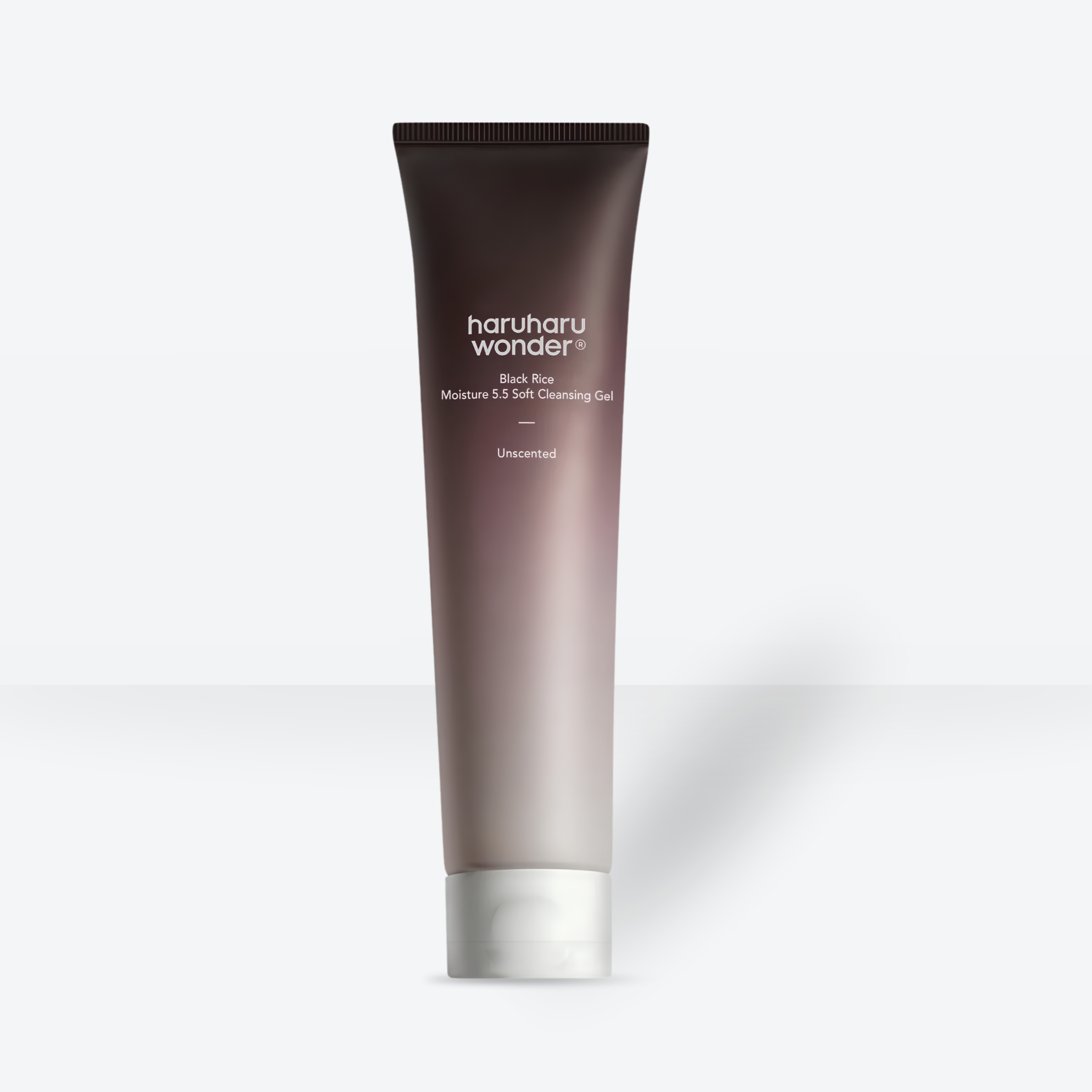
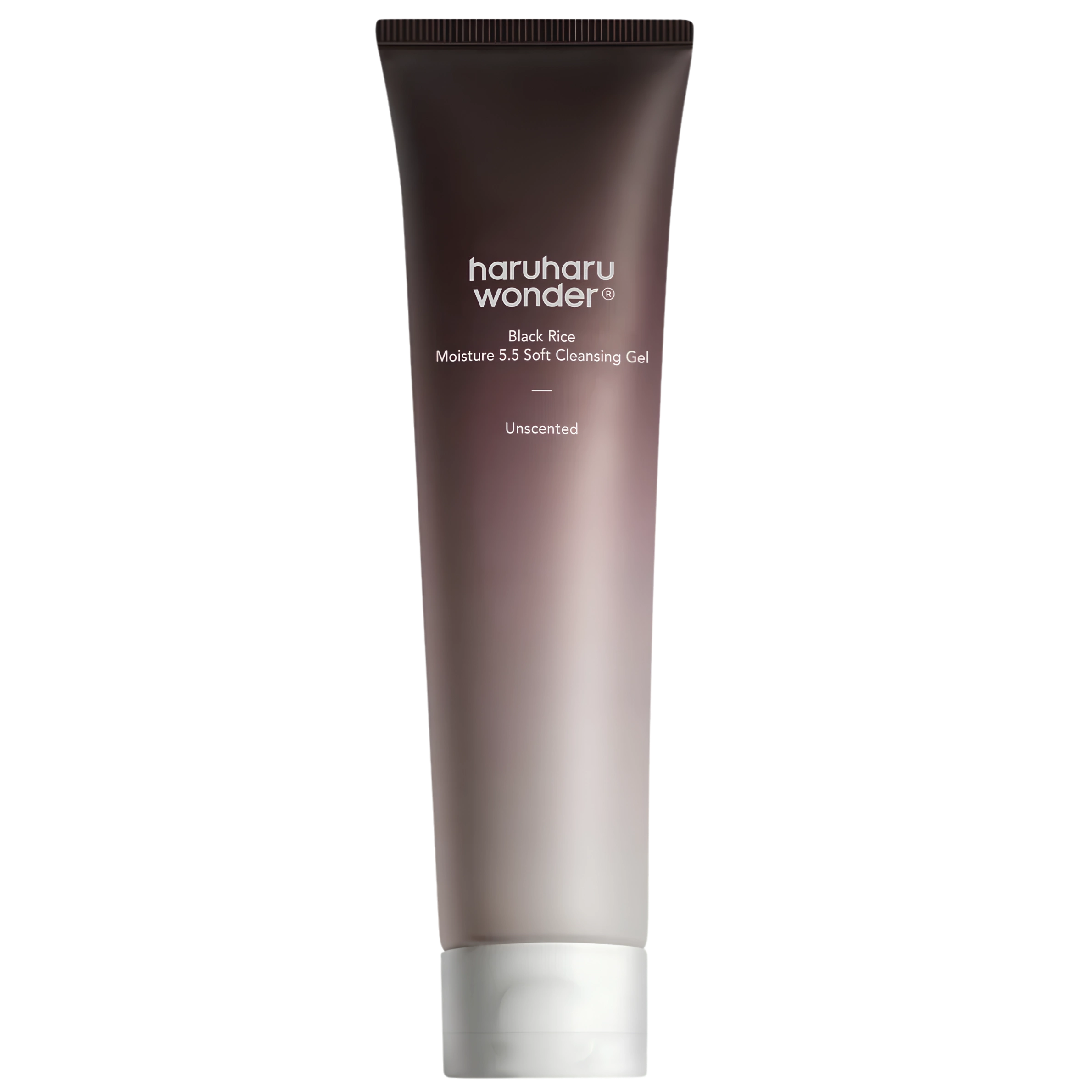
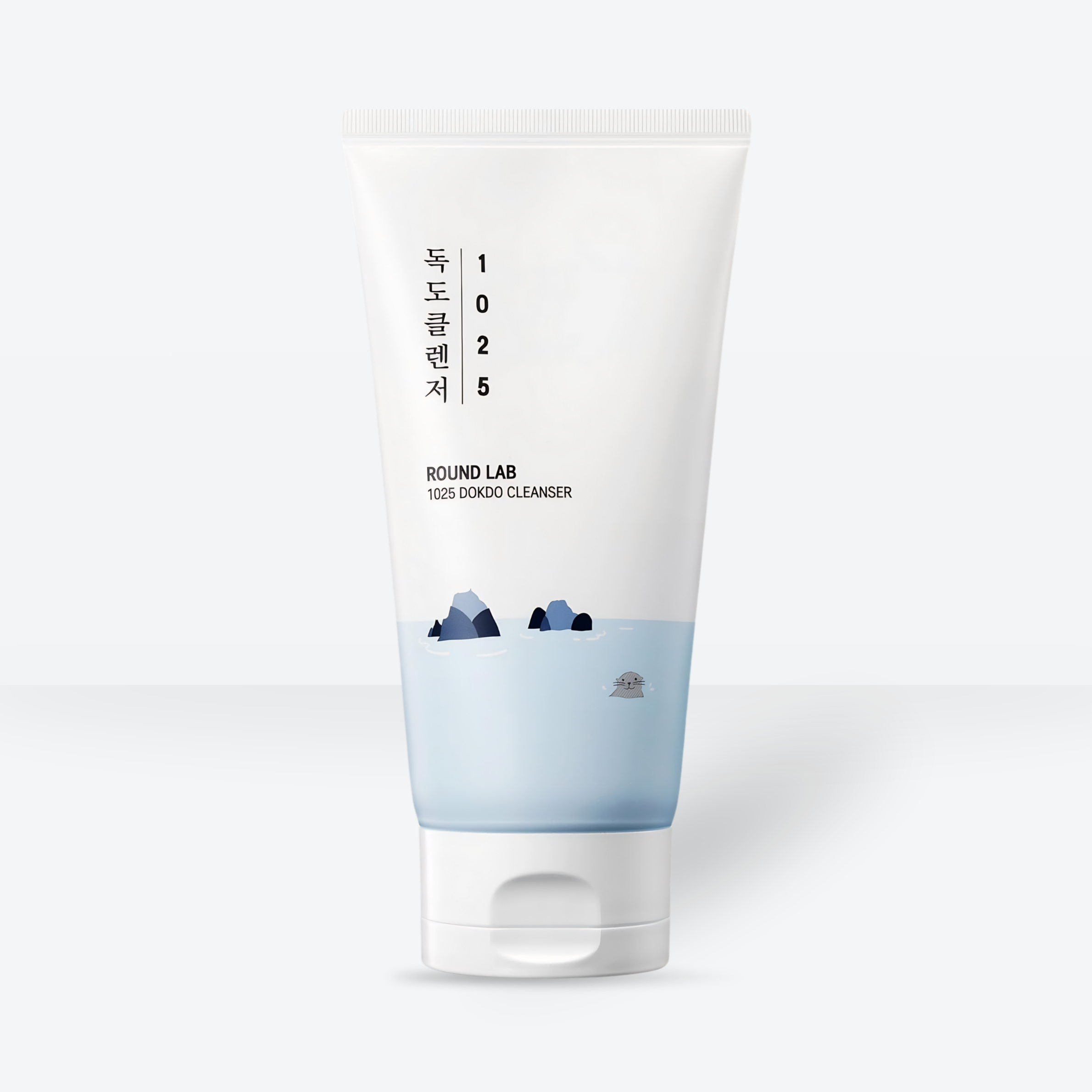
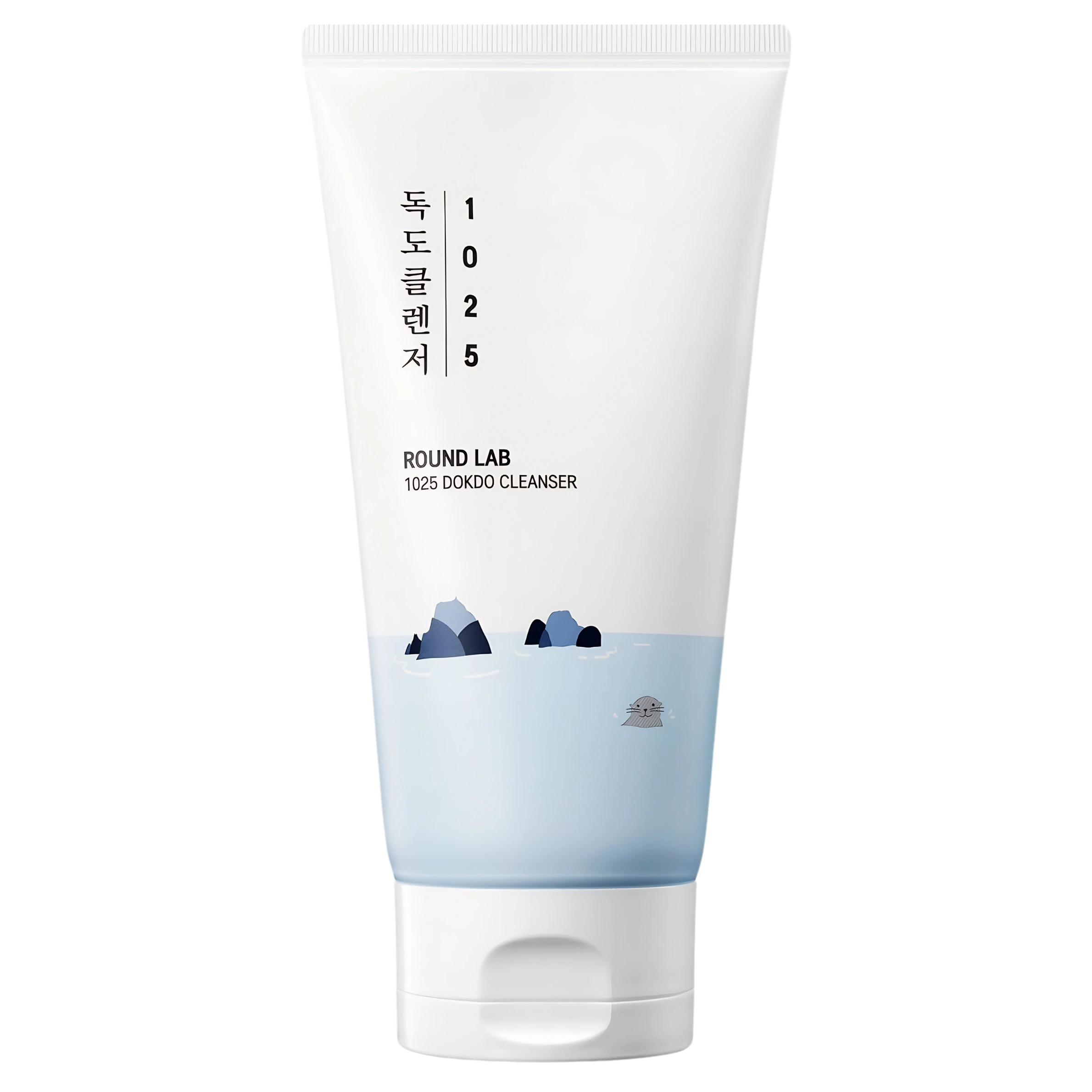
Tightness means your cleanser has stripped away lipids that dry skin really needs. Switch to a cleansing oil or a mild foam. In the morning, wash with lukewarm water only. Right after cleansing, while your skin is still damp, apply toner and serum.
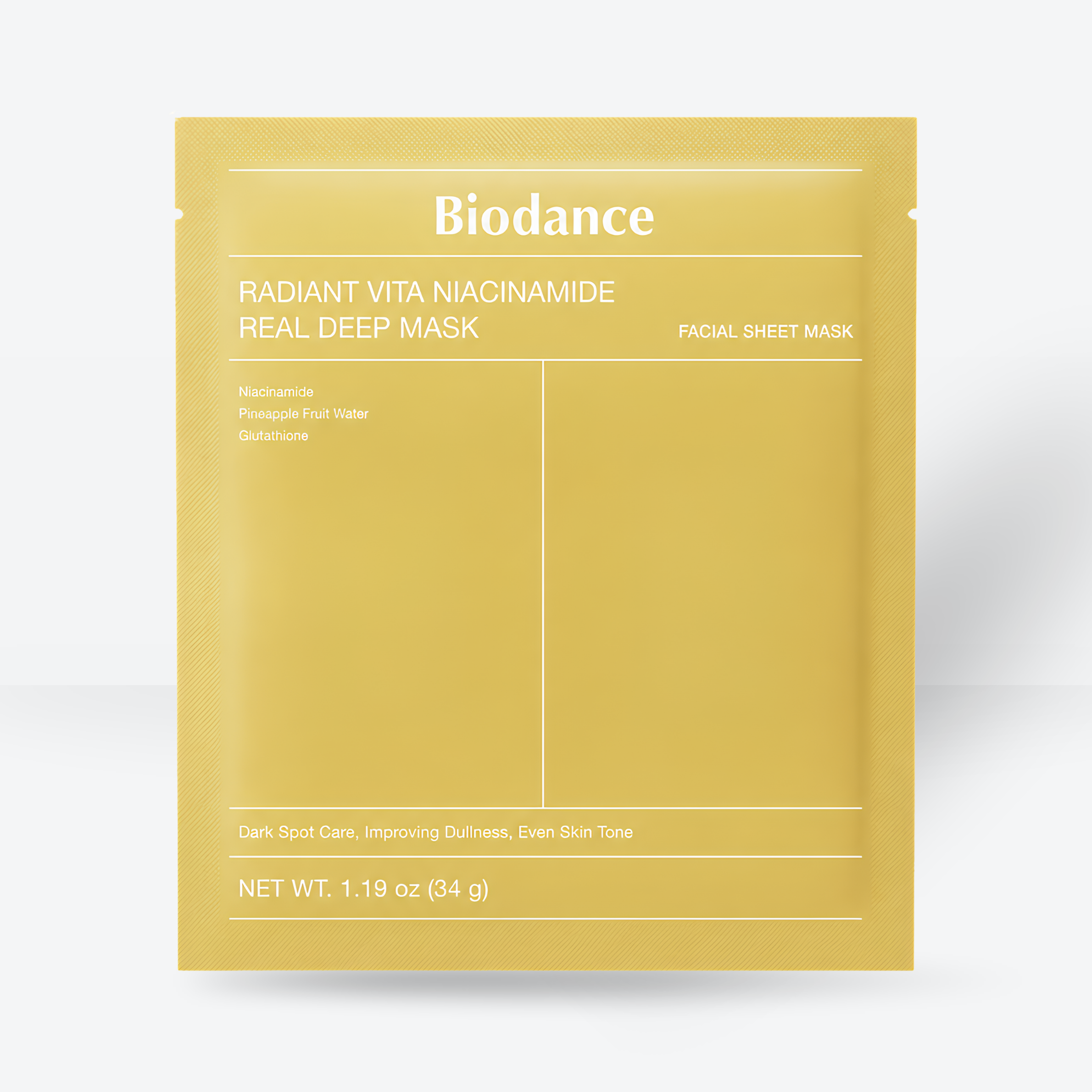
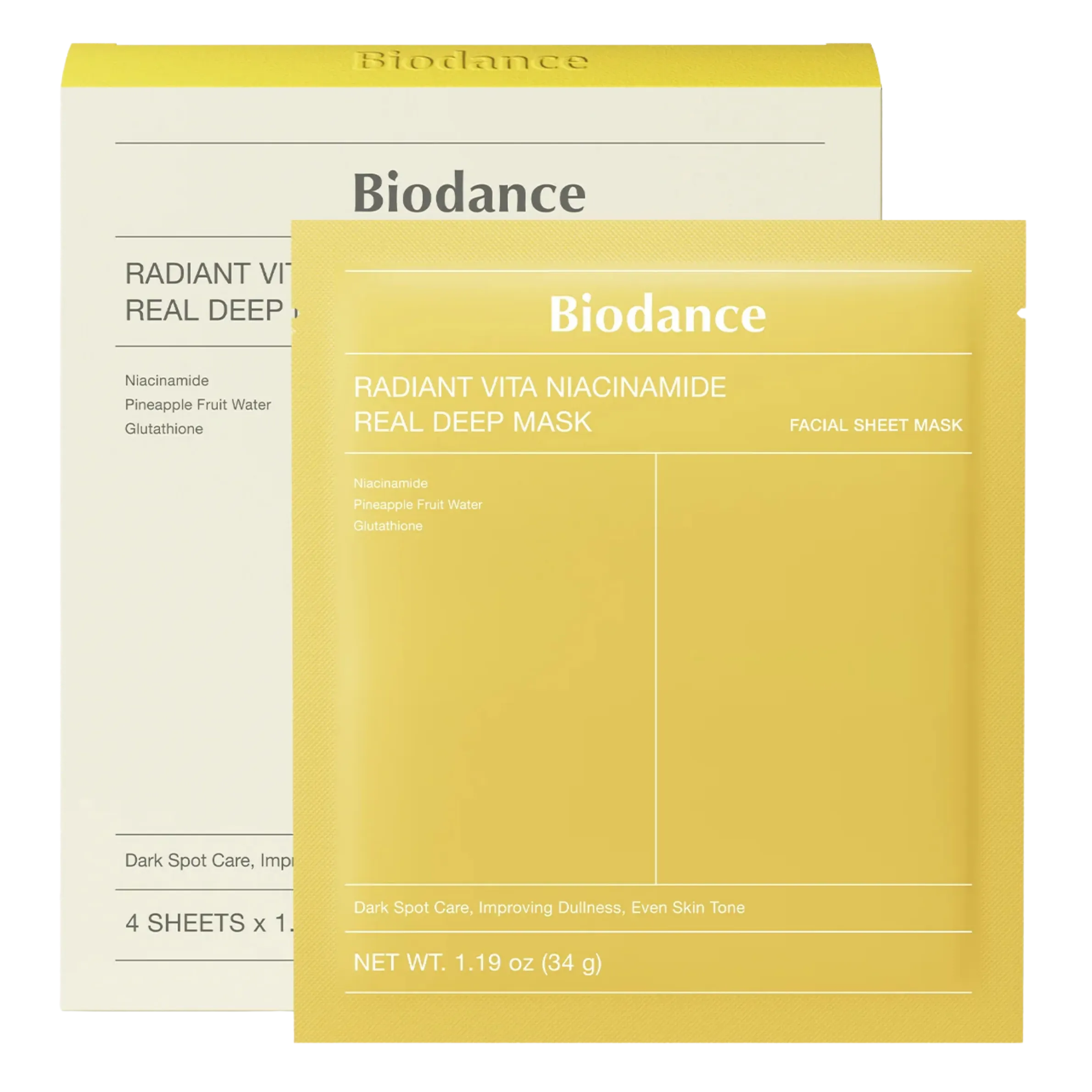
In winter, your skin loses more moisture because of the cold outside and the dry air indoors. It needs a richer cream with ceramides and squalane, in a thicker layer if needed. Add a hydrogel mask once or twice a week. Don't forget SPF, because winter sun dries out your skin too.
Yes. Most often when your skin is also dehydrated and defends itself with too much sebum, or when a rich cream clogs your pores. Choose a lighter, non-comedogenic cream and add a hydrating serum. Don't dry out your skin with acne products, because breakouts on dry skin are often a sign of a weakened barrier.
Tightness eases within a few days once you switch cleansers and add a ceramide cream. Flaking and roughness disappear in two to four weeks. Bounce and glow return after about a month. So judge your routine after a month, not after a few days.