








Ceramides: the mortar that holds your skin barrier together
Frequently asked questions
Ceramides are lipids that your skin makes on its own, and they make up about half of the mortar between skin cells. They hold cells together, keep moisture in, and protect your skin from irritants. Without them, your barrier develops cracks that let moisture out and irritants in. In skincare, ceramides top up that mortar.
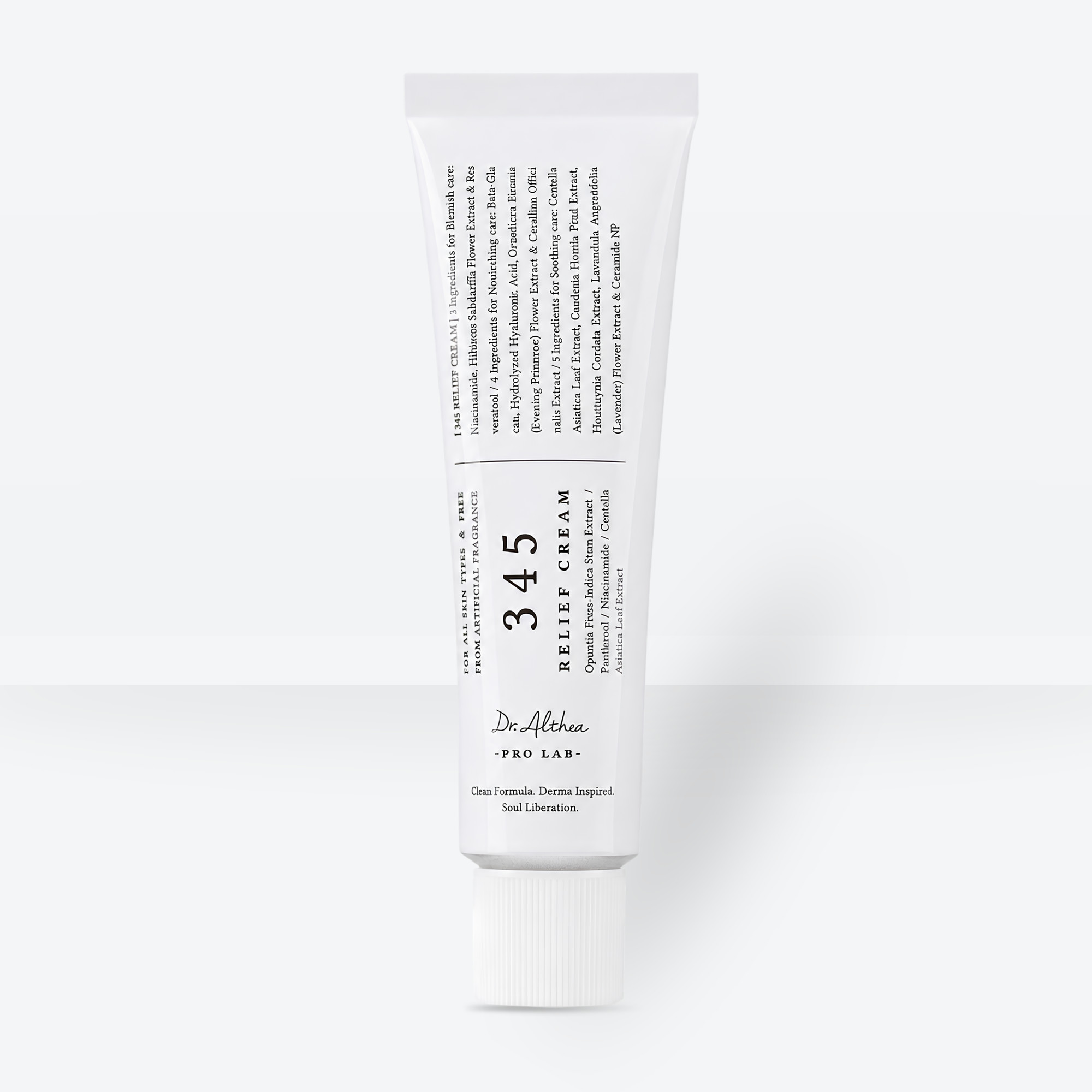
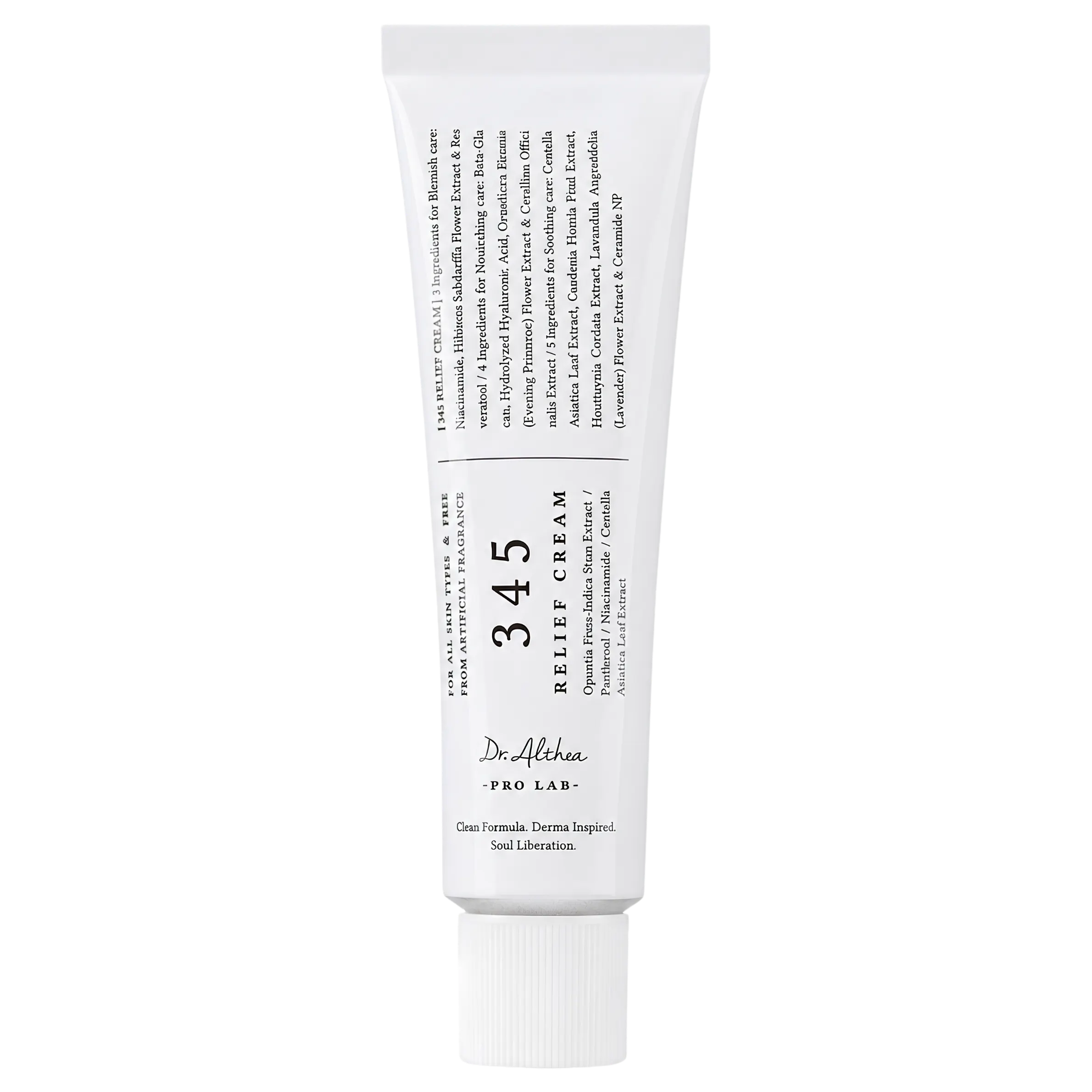
Ceramide NP is one of the most common types of ceramides in skincare and one of those your skin also has naturally. In the DR. ALTHEA 147 and 345 creams, it's the main barrier ingredient. It fills the cracks in your barrier so moisture stays in your skin. Your skin recognizes it as its own, so it accepts it even when everything else stings.
Most of all for dry, sensitive, and irritated skin, but they benefit every skin type. Skin that uses retinoids or acids needs them too, because these put stress on the barrier. For oily skin, choose ceramides in a serum or toner, not in a rich cream. In winter, almost every skin needs them.
Cream is the first choice, because ceramides work best in an oil-based formula and because it seals in moisture. A ceramide serum is lighter and suits oily skin or layering under a cream. When your barrier is weakened, layer them: serum first, cream on top. If you choose just one, make it the cream.
Ceramides are a building block of the barrier and fill the cracks between cells. Provitamin B5 soothes your skin and supports renewal. When comparing panthenol vs ceramides, it's not about choosing one: they do different jobs and complement each other, which is why they're often in the same product. For tightness and flaking, choose ceramides; for stinging, red skin, provitamin B5; for both, use both.
A well-made ceramide cream doesn't. Ceramides are lipids, but your skin recognizes them as its own and builds them into the barrier instead of leaving them on the surface. If your skin gets oily, go for a light gel cream or a ceramide serum. Rich creams are for dry skin and for winter.
Yes, it makes a lot of sense. Retinoids and acids put stress on your barrier, and ceramides repair it. Apply a ceramide cream over your active serum, or use it on evenings without one. If your skin stings, drop active ingredients for a few weeks and stick to ceramides only.
The tight feeling eases after just a few days. For your barrier to truly strengthen, it needs two to four weeks of regular use without harsh products. With badly damaged skin, it can take longer. In the meantime, don't switch products, and skip exfoliation.
Yes. Blemish-prone skin also often has a weakened barrier because of harsh cleansers and acids. Ceramides repair it and reduce redness, and they don't clog pores. Choose a light gel cream, for example DR. ALTHEA 345 Relief Cream, or a serum. With blemish-prone skin, it's better to skip rich creams.
Both are fine, a ceramide cream has no restrictions. It's especially helpful in the evening, because your skin renews itself overnight and loses more moisture. In the morning, choose a lighter version and apply SPF. In winter, you can use a rich cream during the day too.