


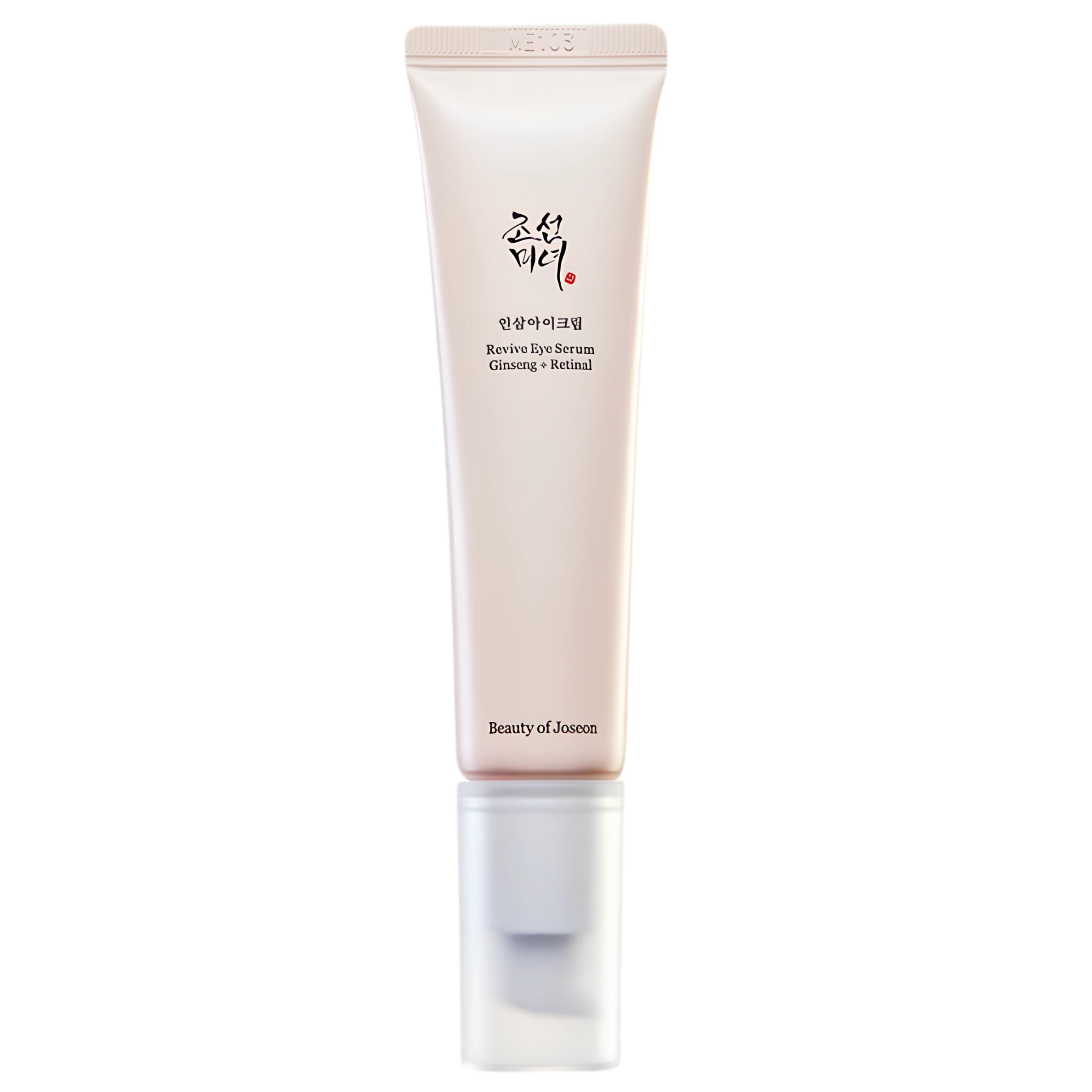
Retinal: a faster-acting form of vitamin A for fine lines, pores and the under-eye area
Frequently asked questions
Retinal is a form of vitamin A and belongs to the retinoids. Your skin quickly converts it into the active form, which encourages it to renew itself. With regular use your skin is smoother, pores are less visible and your tone is more even. The effect builds gradually, with regular evening use.
Retinoid is the umbrella term for all forms of vitamin A, while retinal and retinol differ in speed. Your skin has to convert retinol in two steps, retinal in just one, so retinal works faster. It's often chosen by people who already know vitamin A and want more. If you have no experience with vitamin A yet, introduce it slowly and watch your skin.
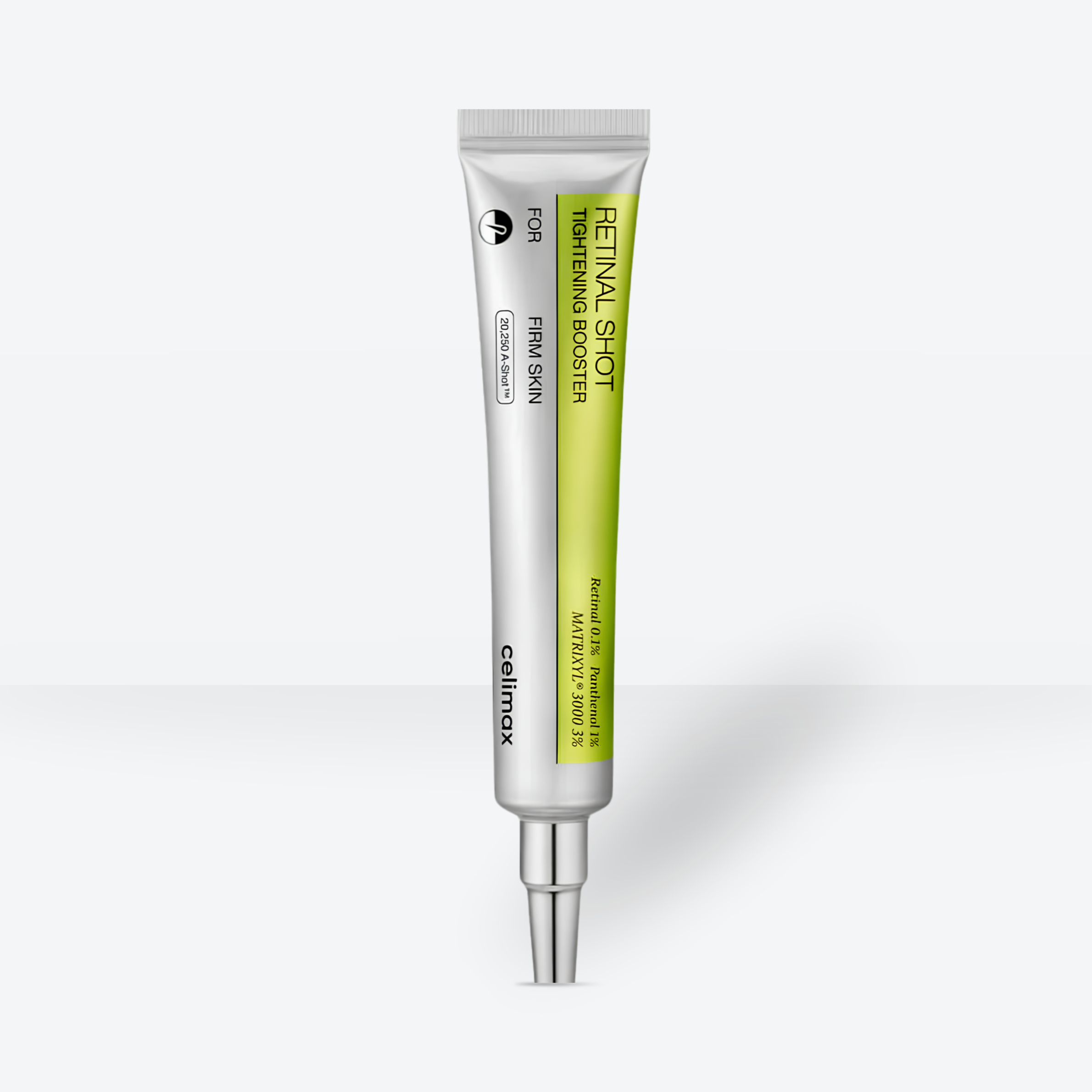
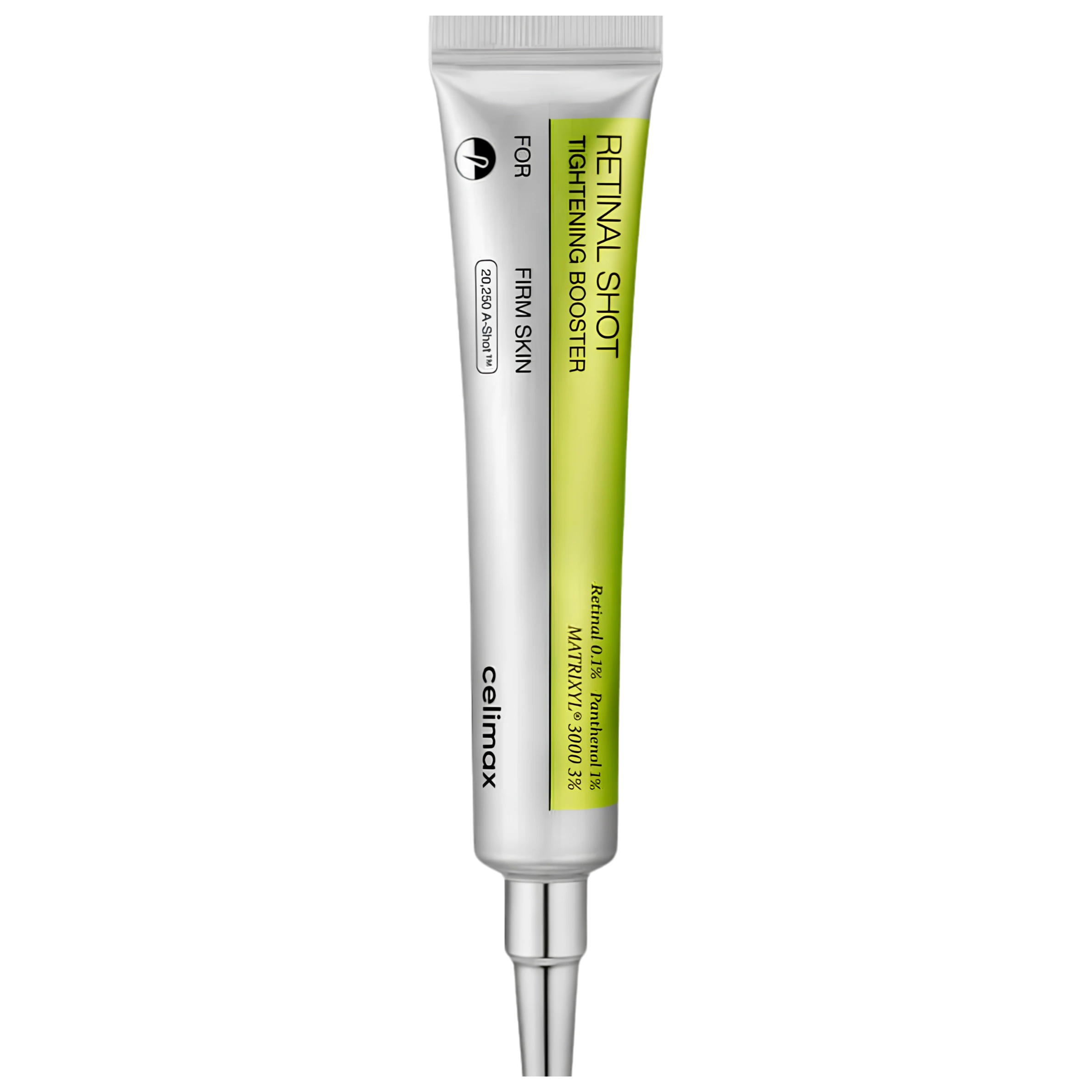
The retinal shot is a lightweight evening booster from CELIMAX with 0.1% retinal. You use it like a serum, after toner and before cream, in a small amount. It's meant for fine lines, visible pores and uneven texture. At first, apply it every second or third evening, and later you can use it every day.
Slowly. Start with two to three applications a week, in a pea-sized amount. Apply it after toner and add a soothing cream on top. Every week or two, add one more evening if your skin doesn't sting.
Retinal for the face belongs in your evening routine, because the sun would break it down during the day. So in the morning, apply moisturizer and SPF. The exception is under-eye products with retinal in liposomes. You can use these morning and evening, and during the day together with SPF.
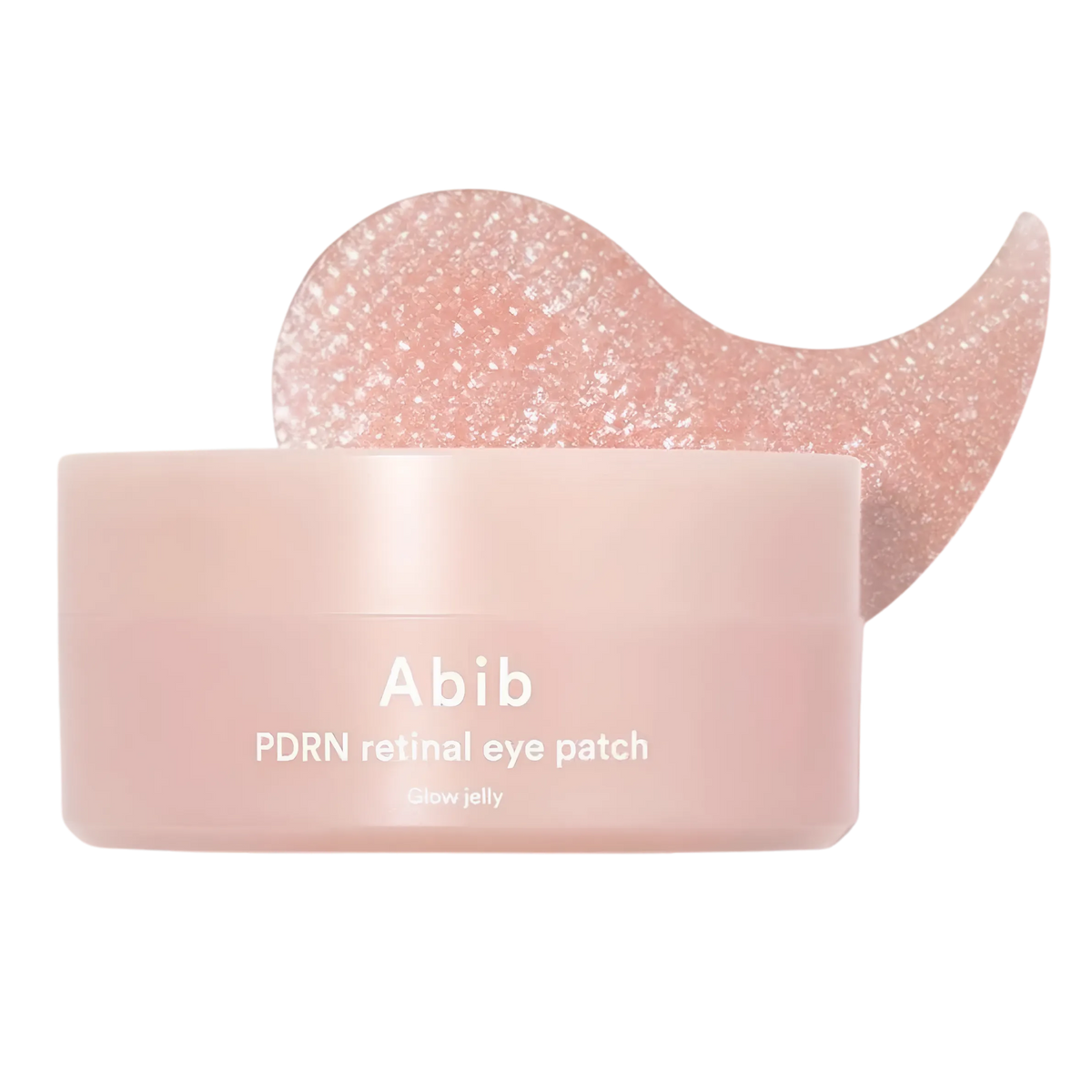
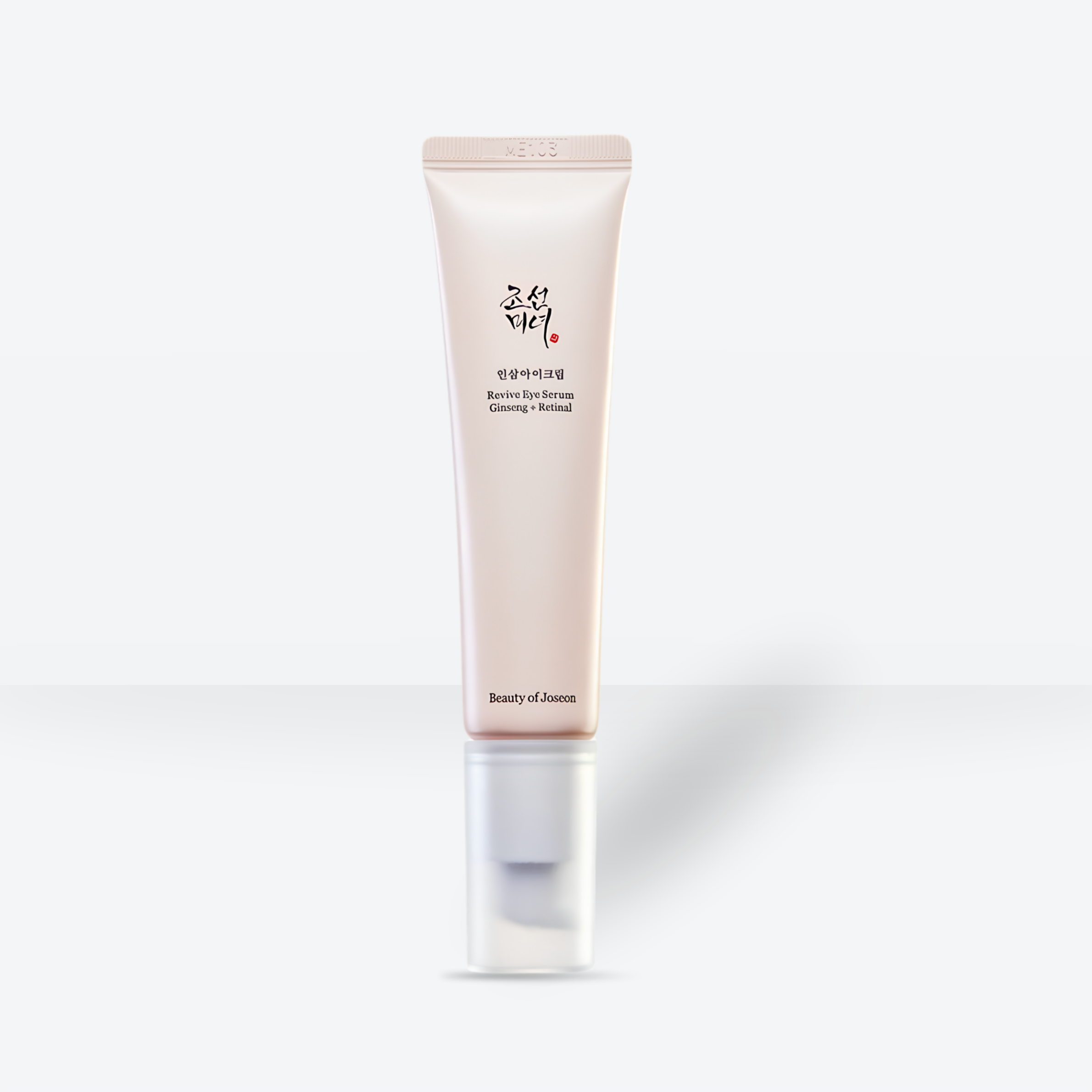
Yes, but with products made for that area. The retinal eye serum and the hydrogel patches with retinal and polynucleotides are made for the thin skin under your eyes. With the facial retinal shot, stop at the eye bone. Gently pat all products in under your eyes and don't rub.
Retinal goes well with hydrating and soothing ingredients: hyaluronic acid, lipids, panthenol (provitamin B5) and niacinamide (vitamin B3). Firming ingredients and polynucleotides complement it nicely, because they support skin firmness. Use acids and exfoliation on other evenings, and ascorbic acid in the morning. That way your skin gets everything, but not all at once.
Don't use retinal during pregnancy or while breastfeeding. Also don't start when your skin is irritated or damaged, calm it down first. With very reactive skin, talk to a dermatologist before using it. All other skin types can use it if they introduce it gradually.
Yes, it's common in the first weeks. Your skin renews itself faster and needs time to adjust. Cut back to every third evening and add a cream with lipids or panthenol (provitamin B5). If your skin stings or turns red a lot, take a few days off and start again with a smaller amount.
Retinal works faster than other forms of vitamin A, but it still needs time. You'll often notice a smoother texture and more glow after three to four weeks. Fine lines and pores are reduced after two to three months. Don't switch products in the meantime, because the effect builds gradually.