




Peptides: small molecules that tell your skin to build support proteins
Frequently asked questions
Peptides are small pieces of protein, chains of just a few amino acids. Your skin recognizes them as a sign that it needs to rebuild its supporting tissue, so it becomes firmer and smoother. They don't irritate or peel. In skincare, you'll find them in serums, creams, and masks.
Skincare uses three groups. Signal peptides tell your skin to build new supporting tissue, carrier peptides deliver minerals for renewal, and the third group relaxes facial muscles. Because they're small, they reach places larger molecules can't. They work slowly, without irritation or peeling.
Almost every skin, from oily to sensitive. They do the most for skin that's losing firmness, has its first lines, or has a dull complexion. They suit reactive skin that can't tolerate a retinoid, and they work as a daytime complement to a retinoid. You can start after 25.
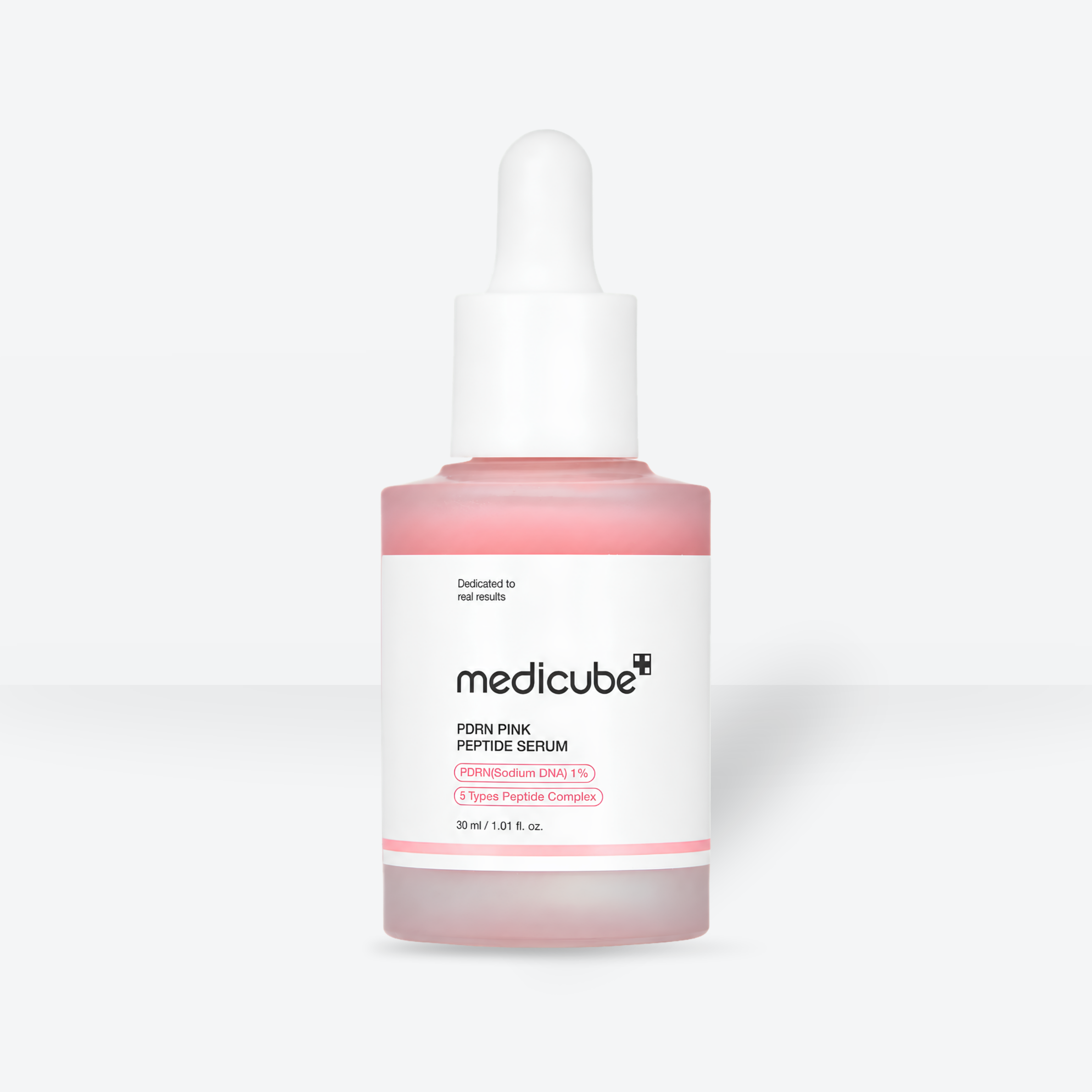
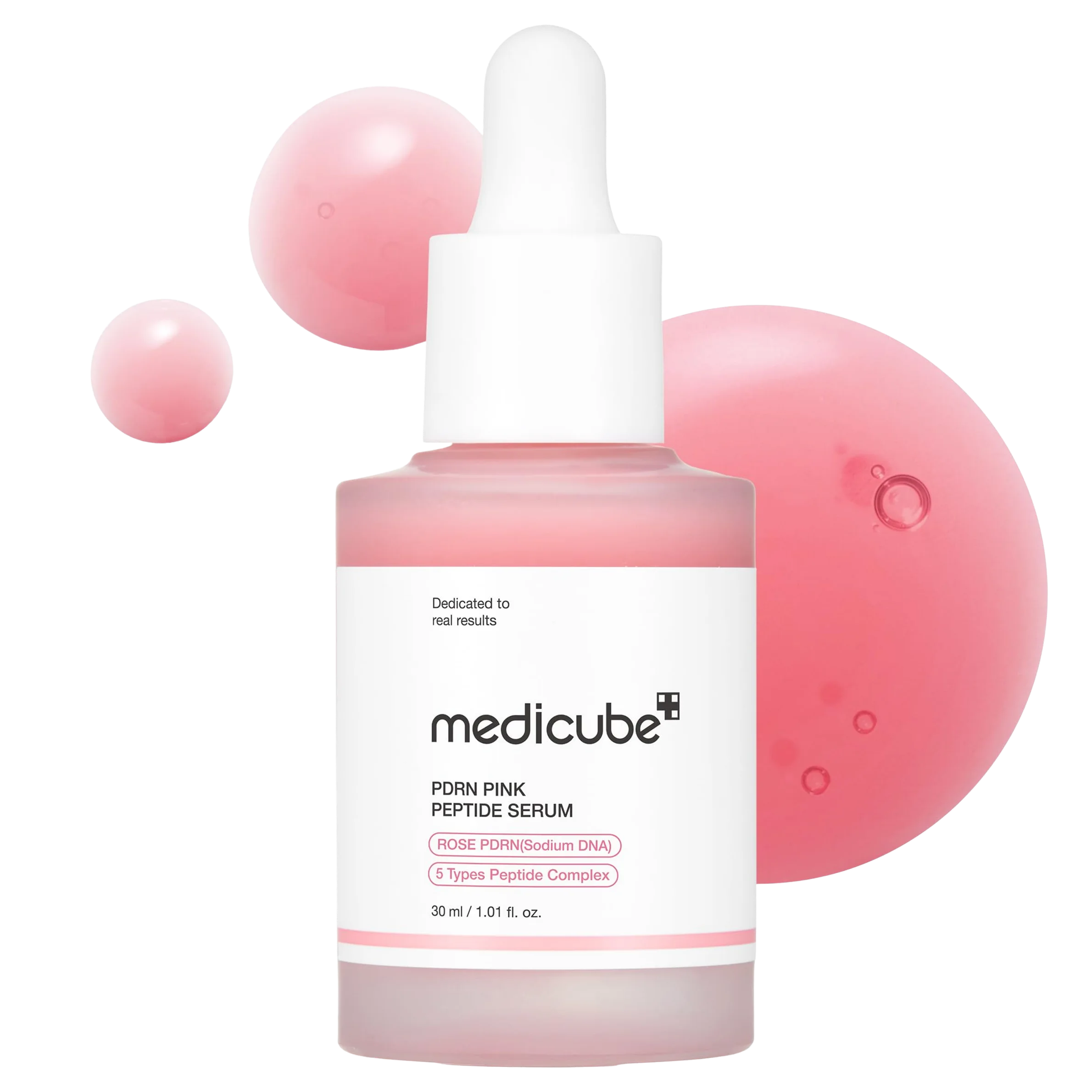
A serum, if you want the biggest effect; the light texture gets in deepest and works with any cream. A peptide cream is richer and is for skin that feels tight and also needs moisture. Best of all is both: serum under cream. If your skin gets oily, stick with the serum.
After toner, pat a few drops into your face and neck. Cream goes on top, and SPF in the morning. Peptides don't need to be introduced gradually; use them every day, morning and evening. With low-pH acids, wait a few minutes or use them on a different day.
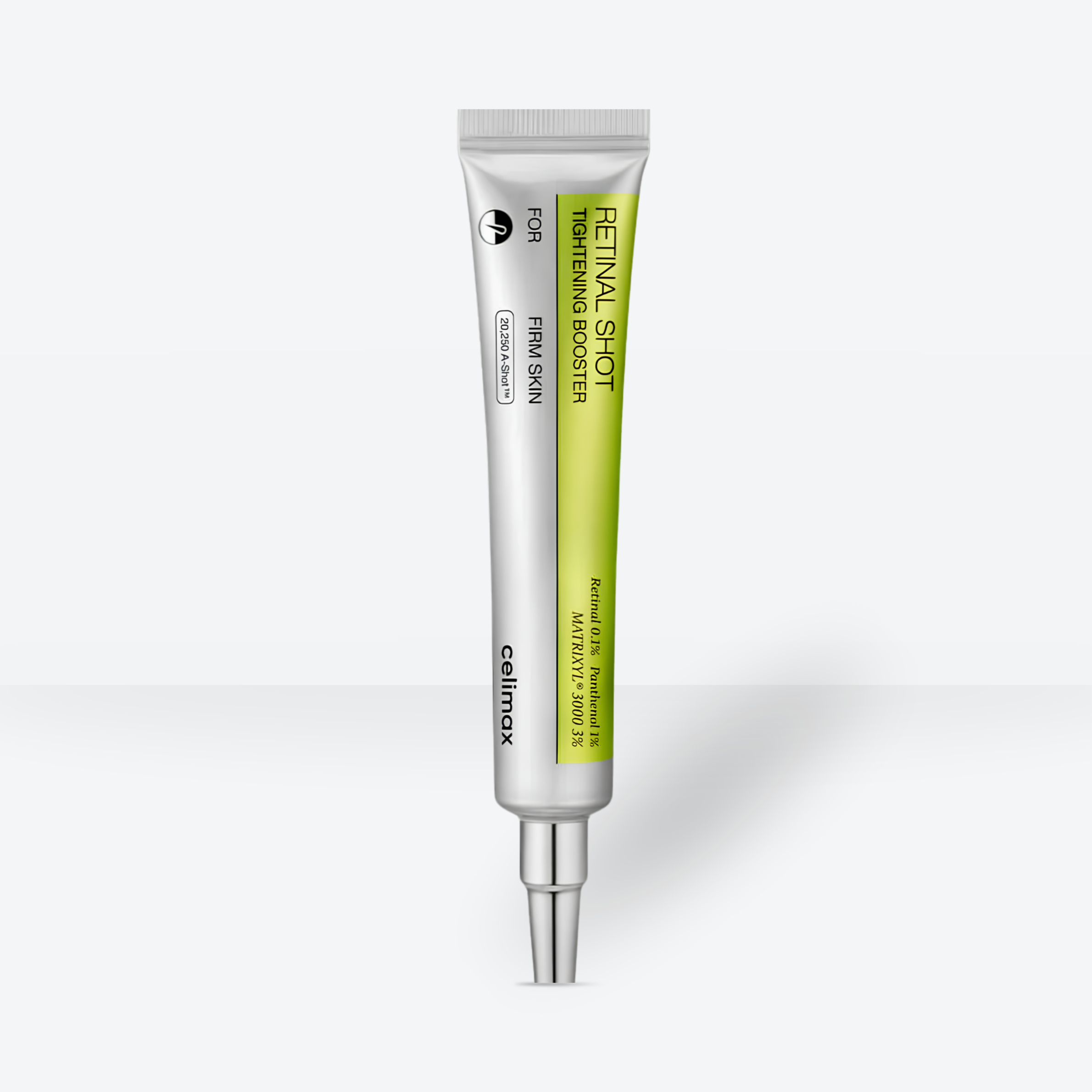
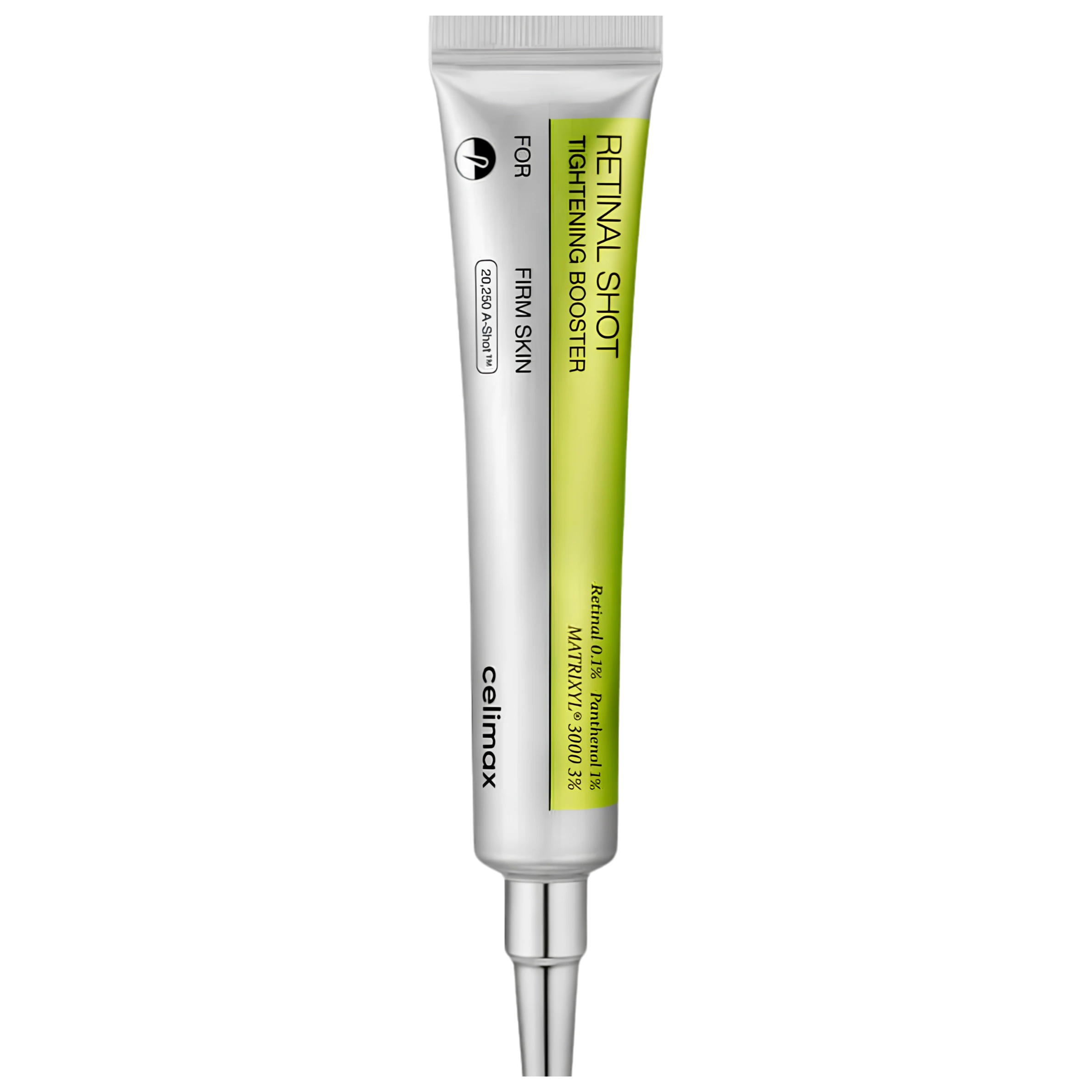
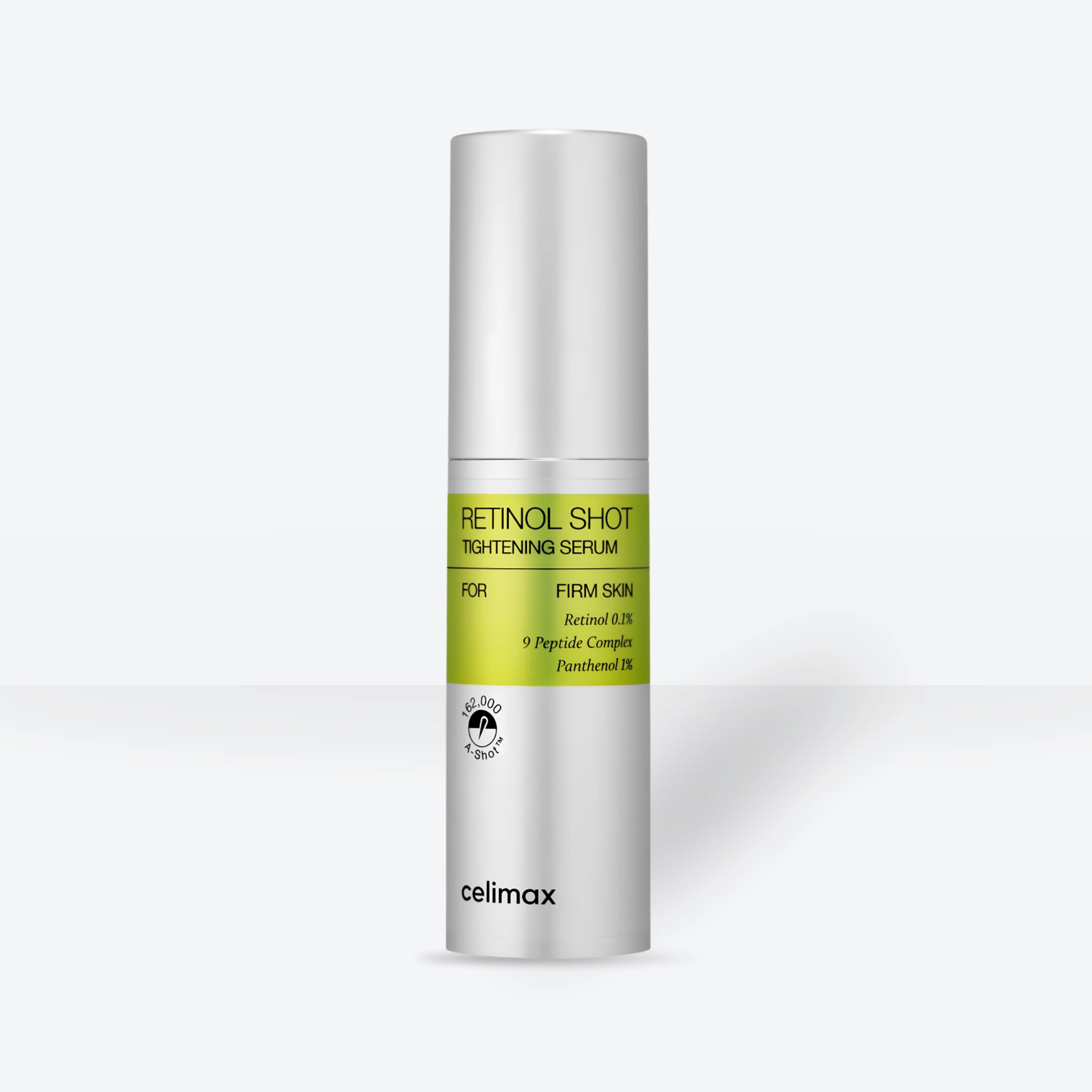
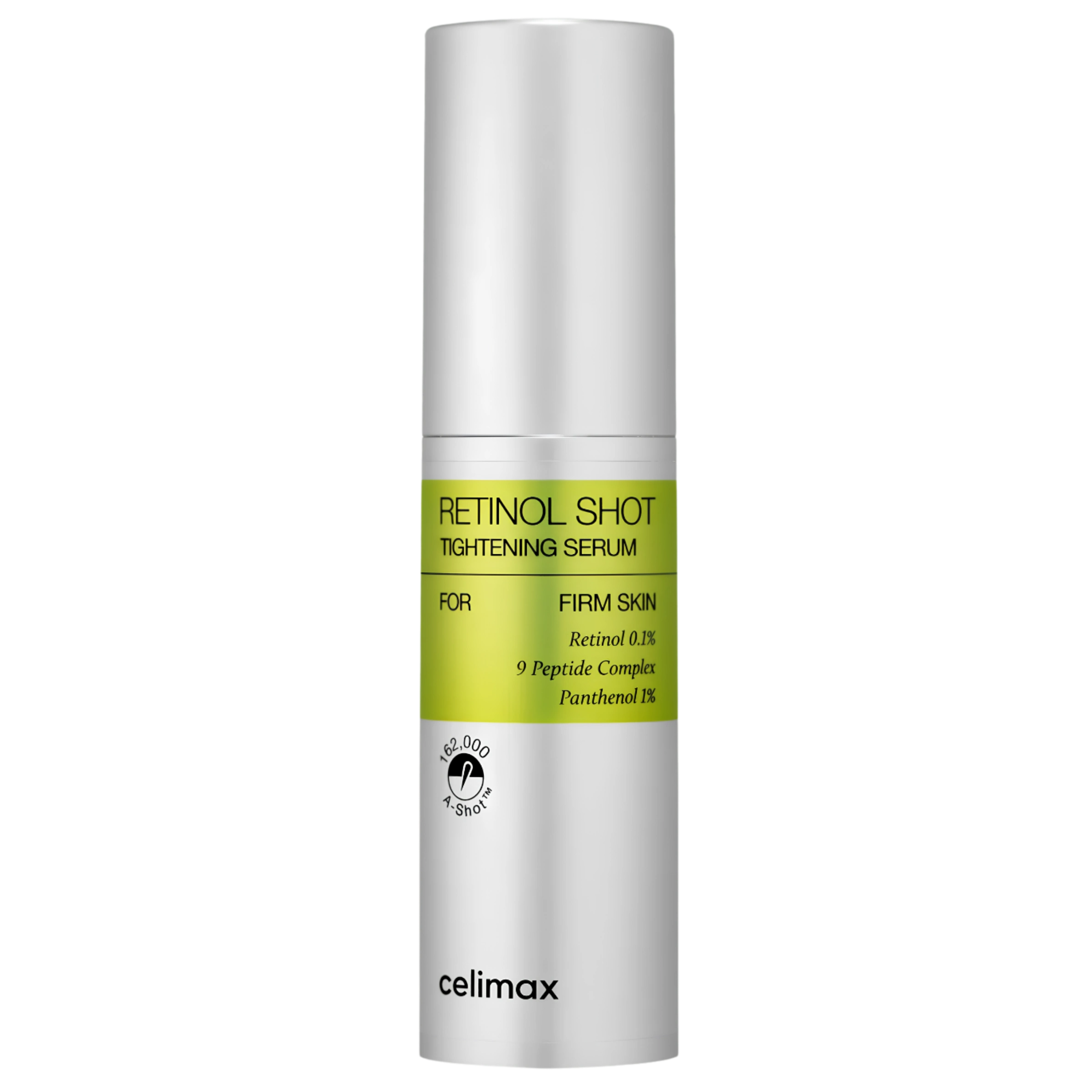
Yes, it's a good combination. A retinoid pushes your skin to renew, while peptides calm and complement it. That's why Korean brands often put them in the same product, for example CELIMAX Retinol Shot. You can also use peptides during the day and a retinoid in the evening.
Yes, but better in separate steps. Ascorbic acid has a low pH that doesn't suit some peptides, so apply it first and wait a few minutes, or use it in the morning and peptides in the evening. Together they take care of glow and firmness. With reactive skin, it's better not to mix them in the same step.
They don't treat breakouts, but they can help your skin afterwards. They speed up renewal, calm reddish marks, and don't clog pores. They also suit blemish-prone skin that's dried out and irritated by treatment. For the breakouts themselves, use salicylic acid, niacinamide, or another anti-inflammatory serum.
Your skin is more hydrated and smoother within a few days. You'll notice firmness and fewer fine lines after four to eight weeks, and the full effect comes after two to three months. Peptides work slowly, but lastingly. The results stay as long as you keep using them.
Not completely. Retinoids remain the best-researched ingredient for lines, while peptides are a gentler path to a similar goal. If you can't tolerate a retinoid, peptides are a good alternative. If you can, combine them: retinoid in the evening, peptides during the day.