



Korean Skincare for Dark Spots and Facial Hyperpigmentation
Frequently asked questions
Hyperpigmentation is a general term for areas where your skin produces too much melanin. It looks like darker patches or spots that are brown, gray or reddish. The most common forms are sun spots, post-acne marks and melasma. They're all treated with similar ingredients, but they differ in how stubborn they are.
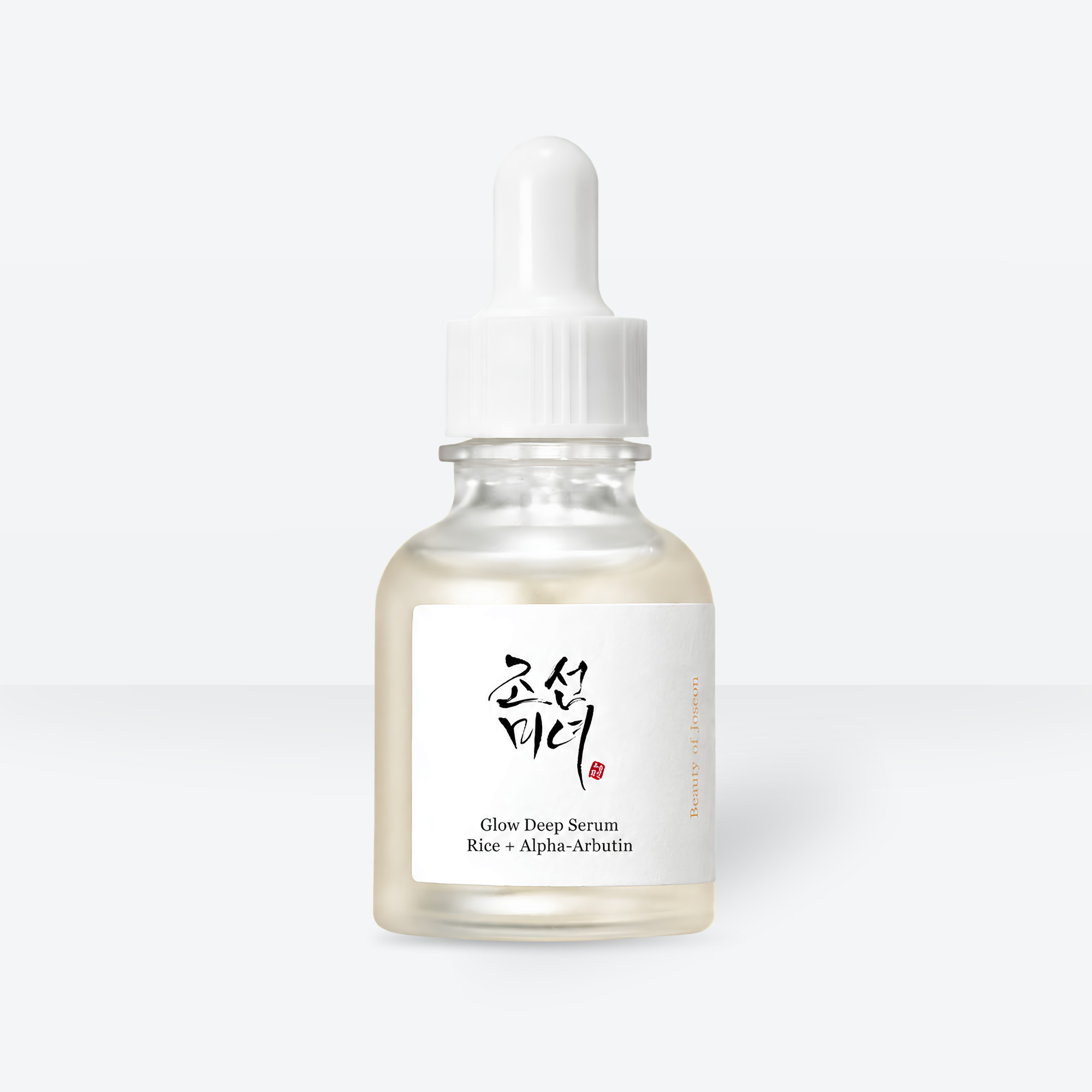
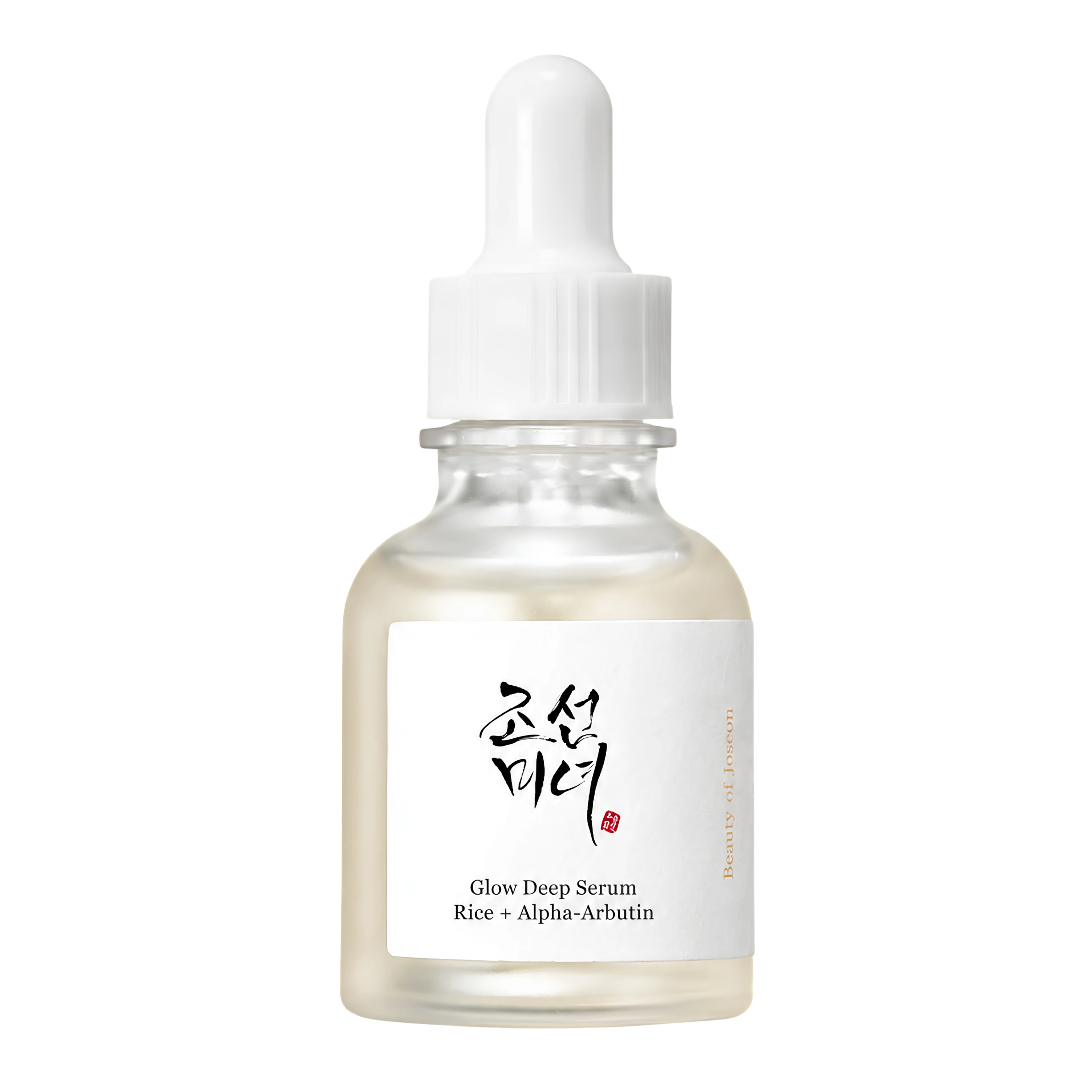
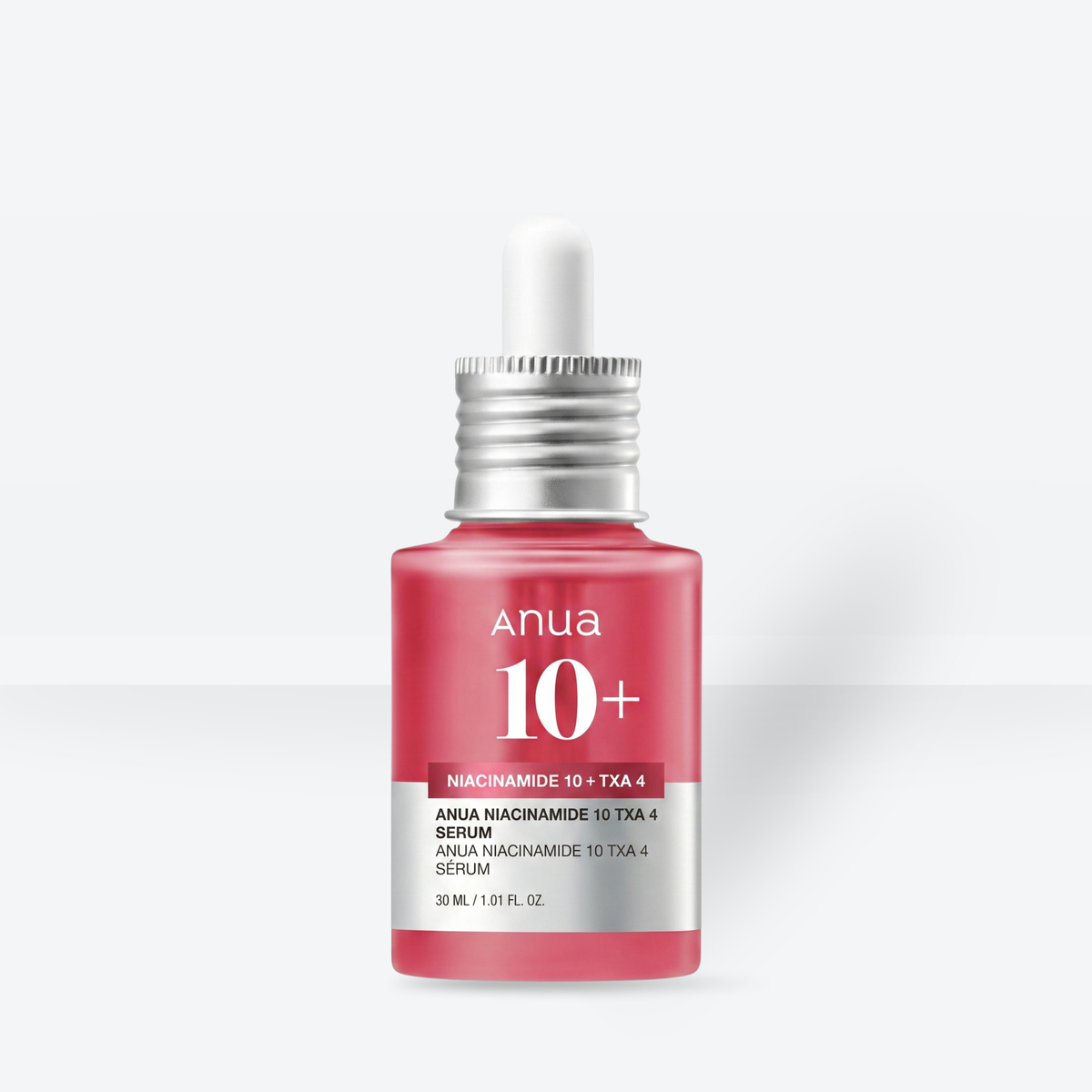
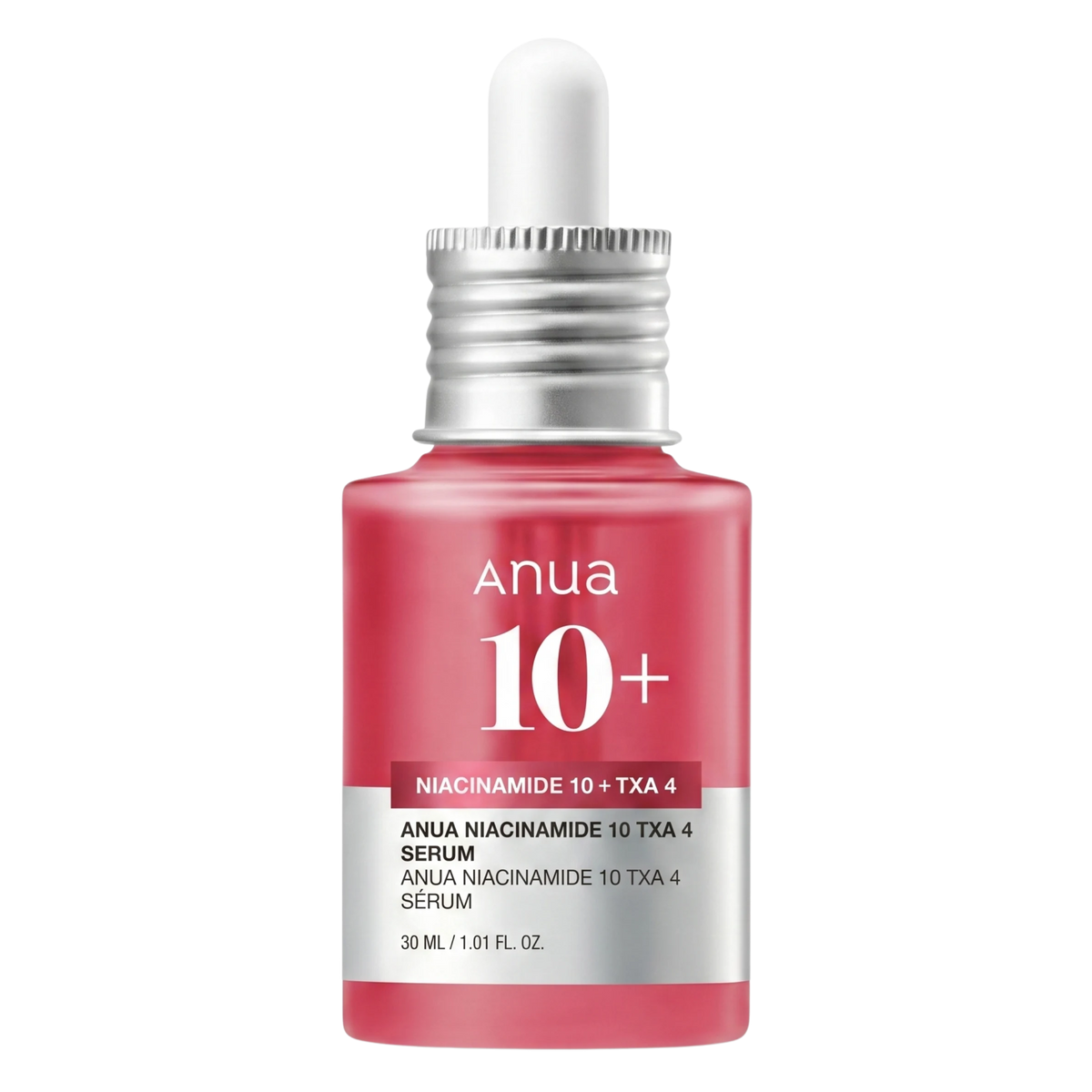
With serums containing vitamin C, arbutin, tranexamic acid or niacinamide, which slow down pigment production. An enzyme exfoliant also helps by speeding up skin renewal. Most important of all is daily SPF, because the sun darkens dark spots faster than a serum can fade them. You'll see the first changes after six to eight weeks, and more noticeable ones after three months.
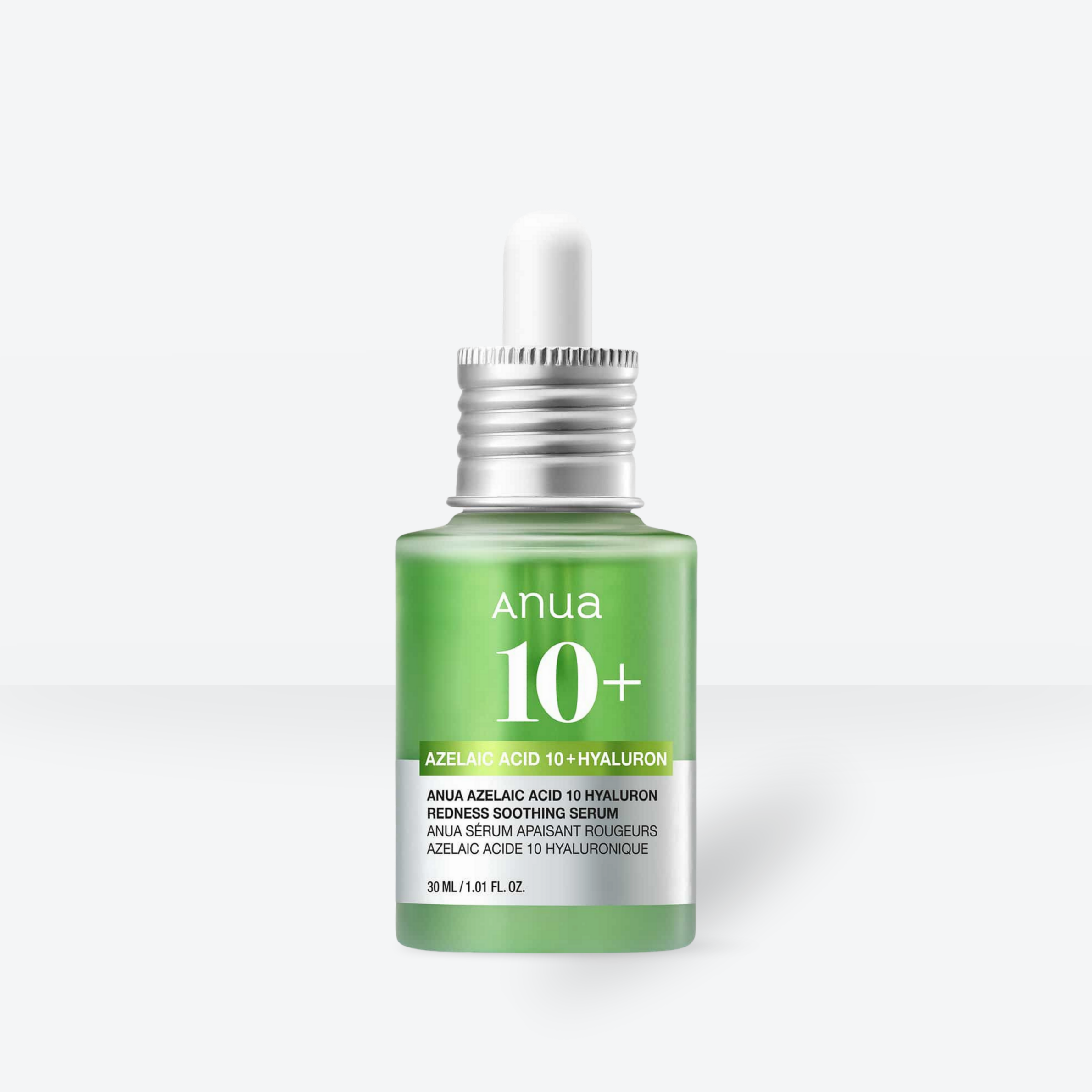
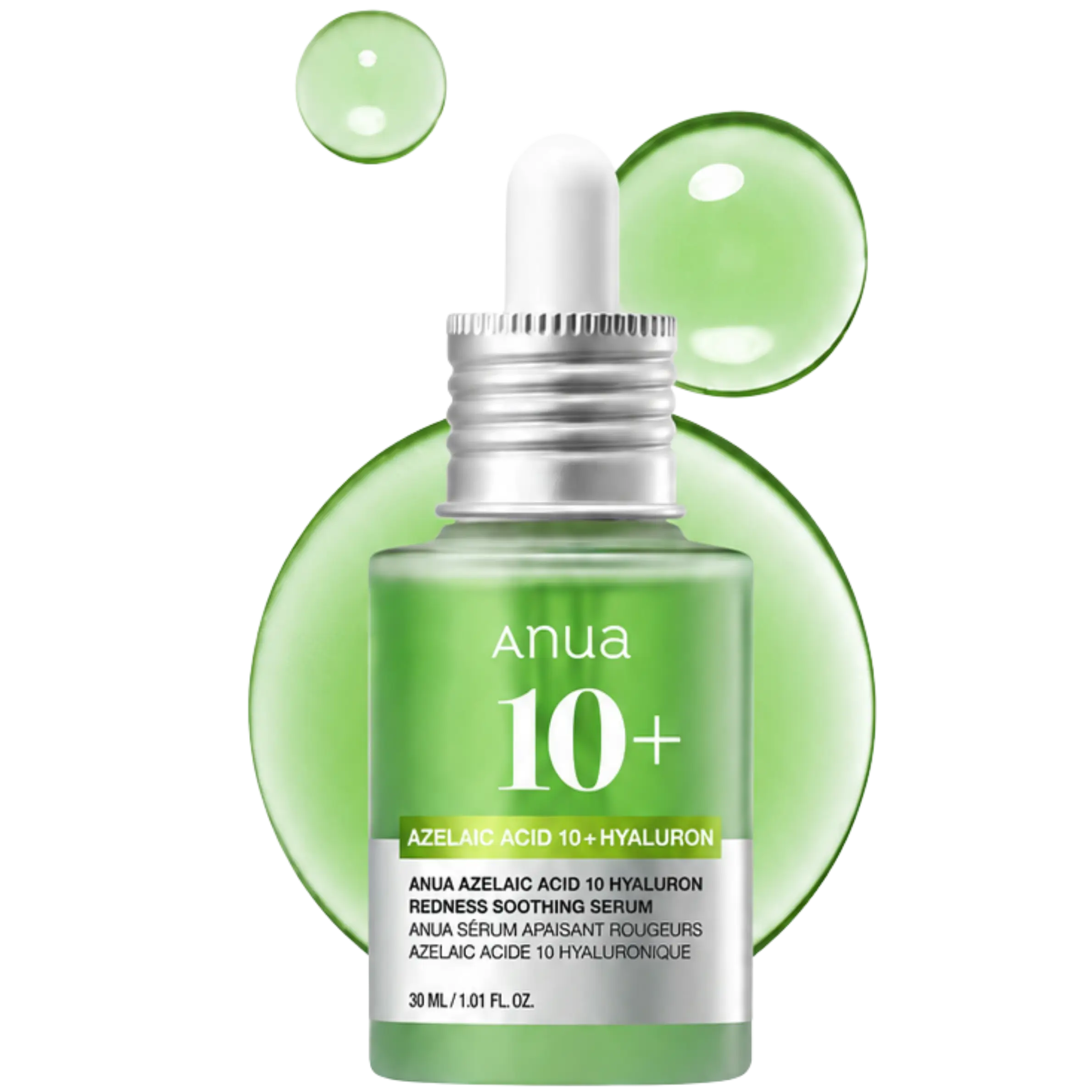
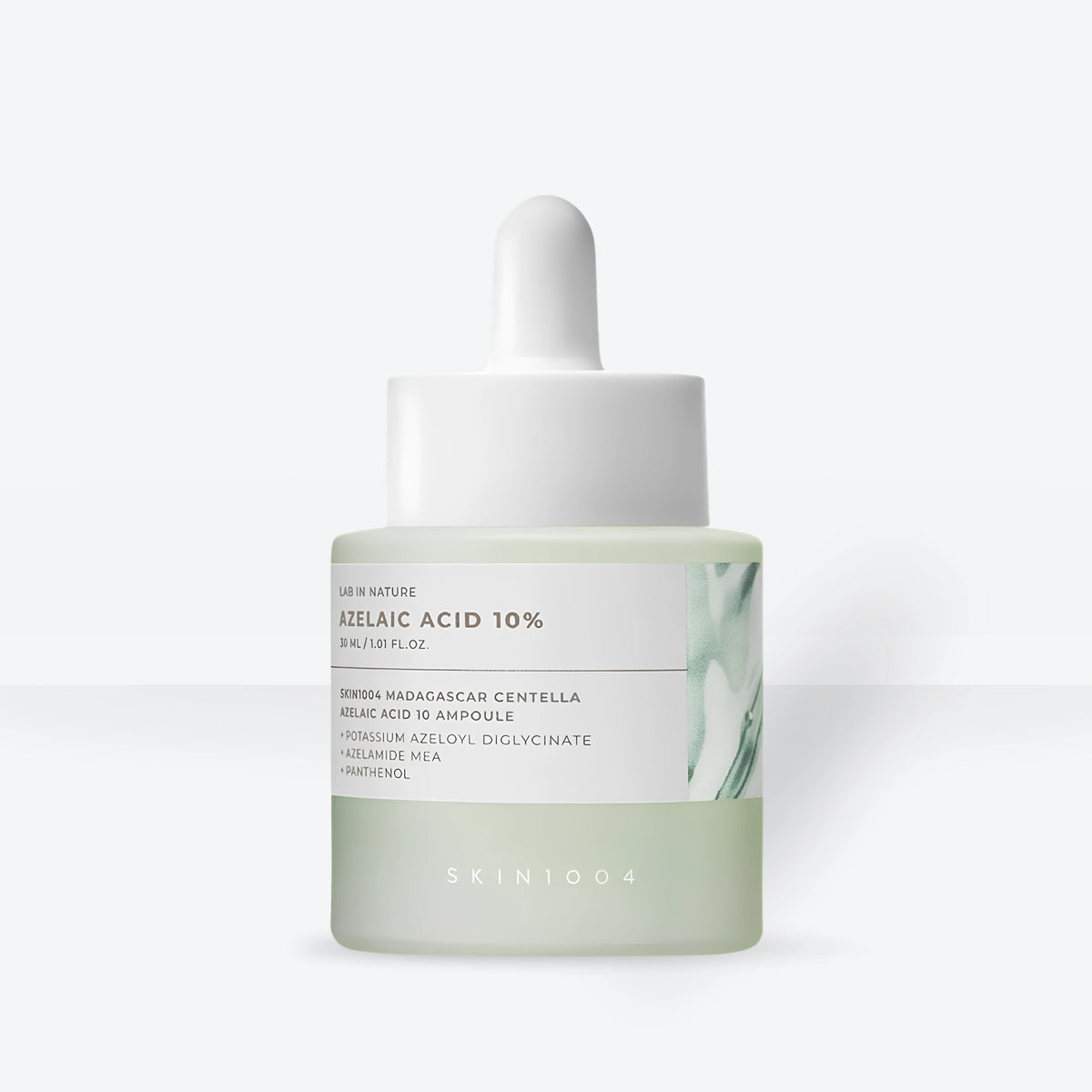
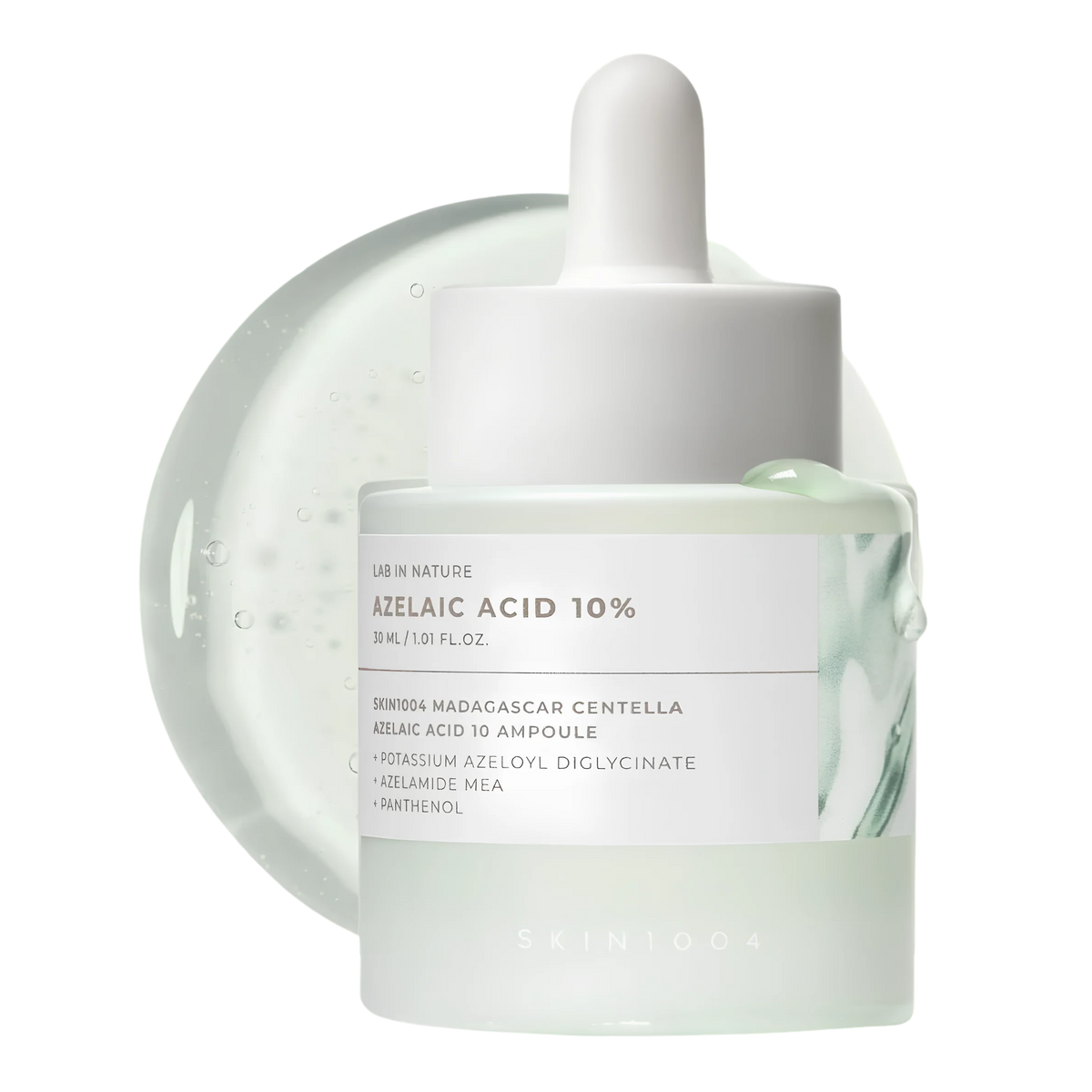
It depends on the type of spot. For sun spots and a dull complexion, vitamin C is the first choice. For stubborn dark spots and melasma, a serum with tranexamic acid or alpha-arbutin. For post-acne marks, azelaic acid. Niacinamide is a good base for all of them, because it evens out skin tone and doesn't irritate.
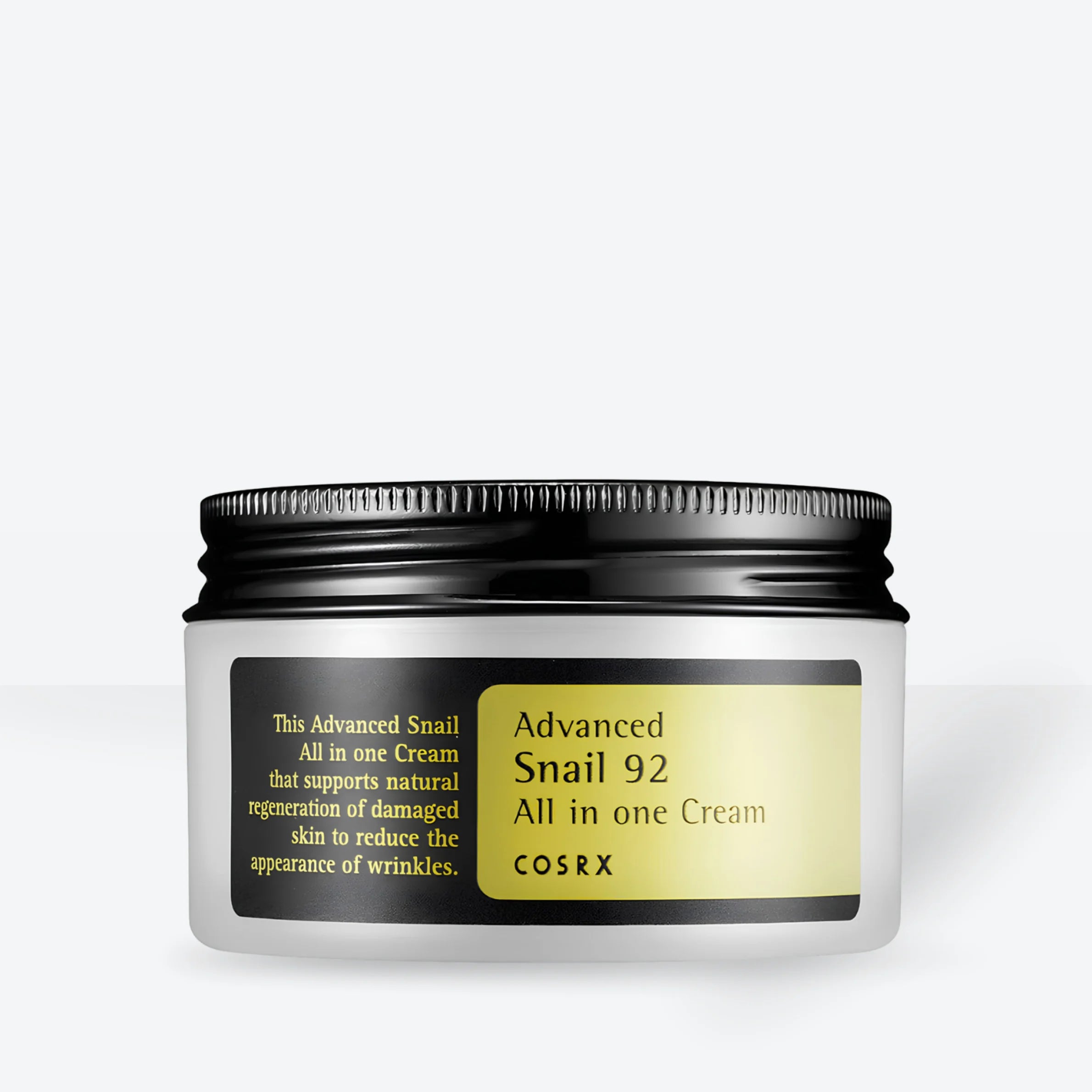
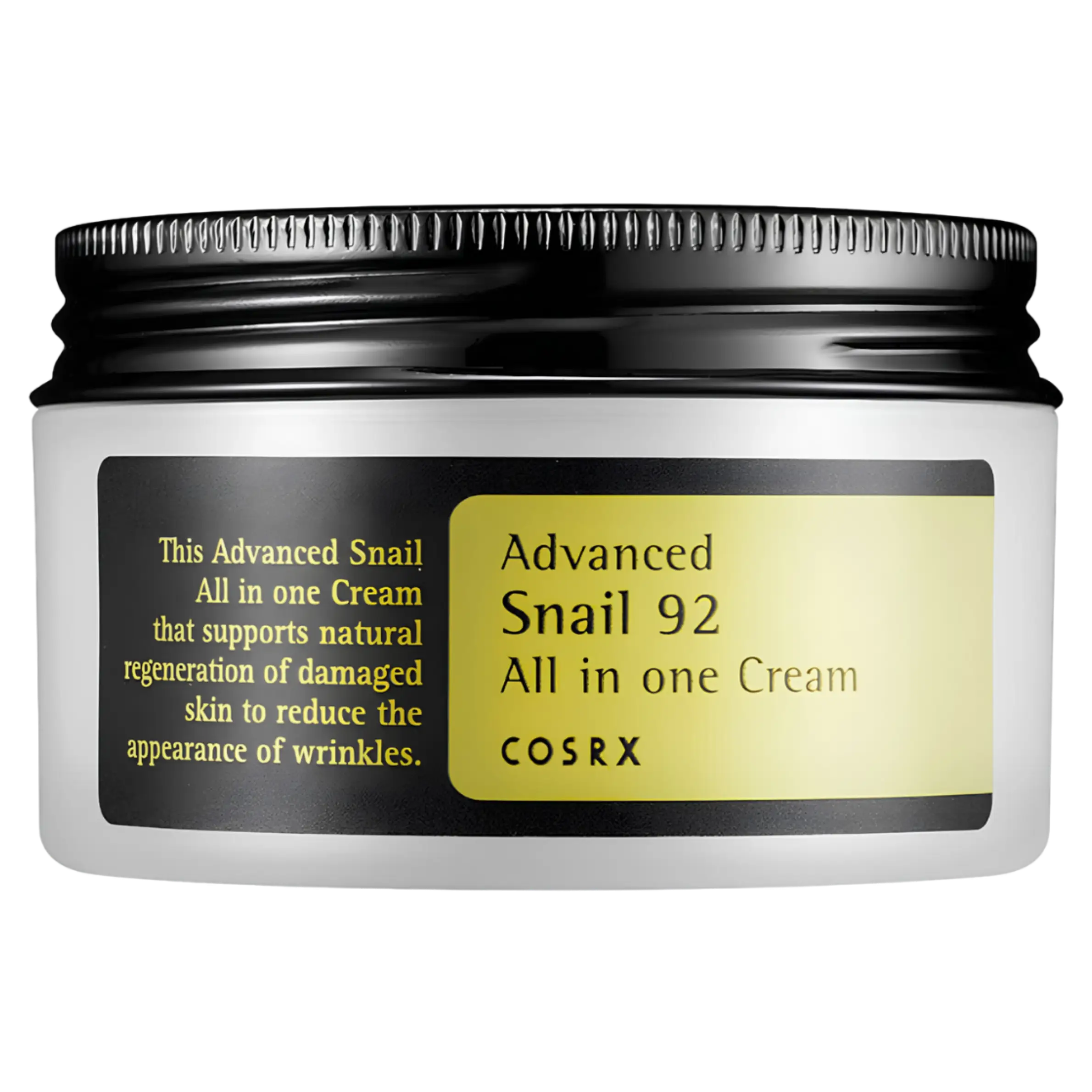
It works if it contains niacinamide, vitamin C or arbutin. It usually works more slowly than a serum, because it has a lower concentration of active ingredients. You get the best results when you use the cream alongside a serum, not instead of one. In the morning, always apply sun protection on top.
Red and brown post-acne marks fade on their own over time, which can take anywhere from a few months to a year. Azelaic acid, niacinamide and vitamin C shorten this to a few weeks. Don't squeeze pimples, because each one can leave a new mark.
The forehead, cheeks and nose get the most sun exposure, so that's where most sun spots form. Symmetrical patches on the cheeks and above the upper lip are often melasma, which is triggered by hormones, for example during pregnancy or with hormonal contraception. A brightening serum helps with both. If a spot changes quickly, show it to a dermatologist.
Because the sun stimulates melanin production in the same places again, even after the spots have faded. That's why SPF isn't just a step while you're treating them, it's for good. With melasma, spots also come back because of hormones, so caring for it is a long-term commitment.
SPF 50 with PA++++, which protects against both UVB and UVA rays. UVA rays are the ones that darken spots the most. Choose a lightweight texture you'll actually enjoy applying every day. Apply enough, and reapply if you're outside for a long time.
Yes. Together they work even better, because each one brightens in its own way. If you have sensitive skin, split them up: vitamin C in the morning under SPF, niacinamide in the evening. That way you get the benefits of both without irritating your skin.
A dull complexion and lack of glow improve in two to four weeks. Post-acne marks fade in six to eight weeks. Sun spots and melasma need three months or more. Be patient for at least two to three months before you decide whether your routine is working.