




Korean facial moisturizers
Frequently asked questions
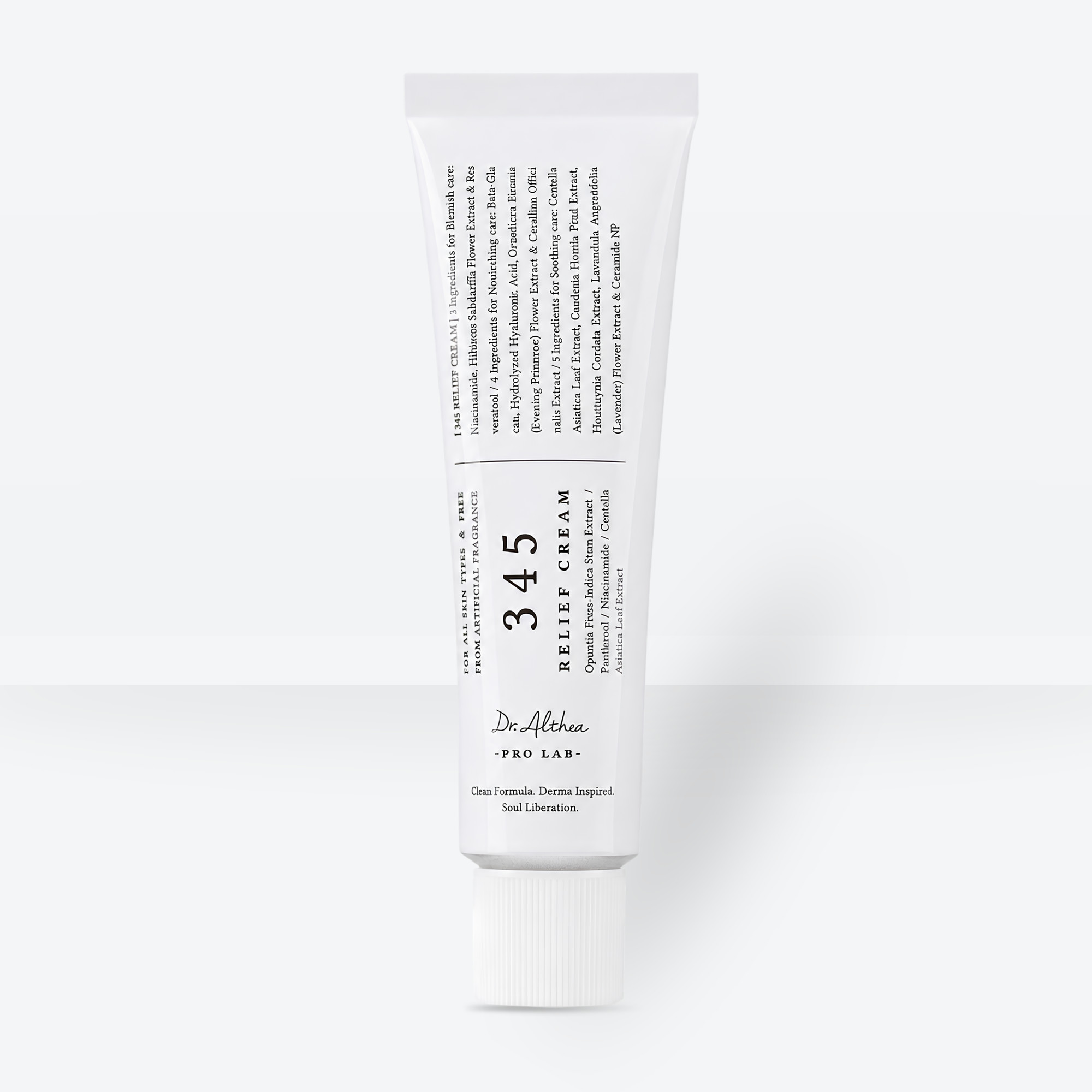
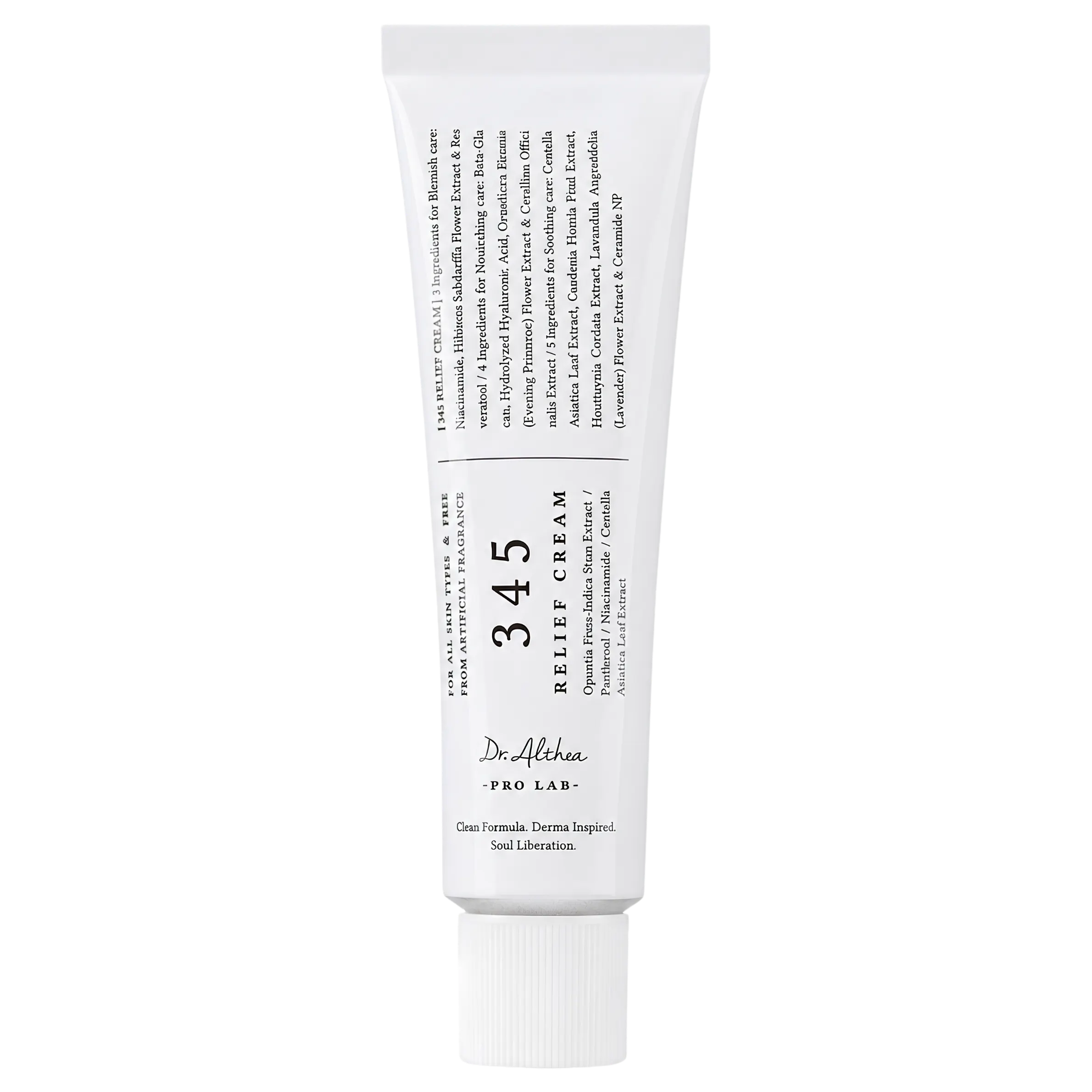
The one that matches your skin type, not the one with the most reviews. Oily skin needs a gel cream with niacinamide, dry skin a cream with ceramides, and sensitive skin a fragrance-free formula with centella. So the best face moisturizer is different for everyone. In Slovenia, the most searched-for cream is the Dr. Althea 345 Relief Cream, because it's lightweight and suits most skin types.
Korean face creams are usually lighter. They're designed as the last step of a routine in which your skin already gets hydration from toner, essence and serum. They often contain soothing and barrier-supporting ingredients such as centella, ceramides, panthenol and snail mucin. Because they absorb quickly without a greasy layer, they're popular with oily and combination skin too.
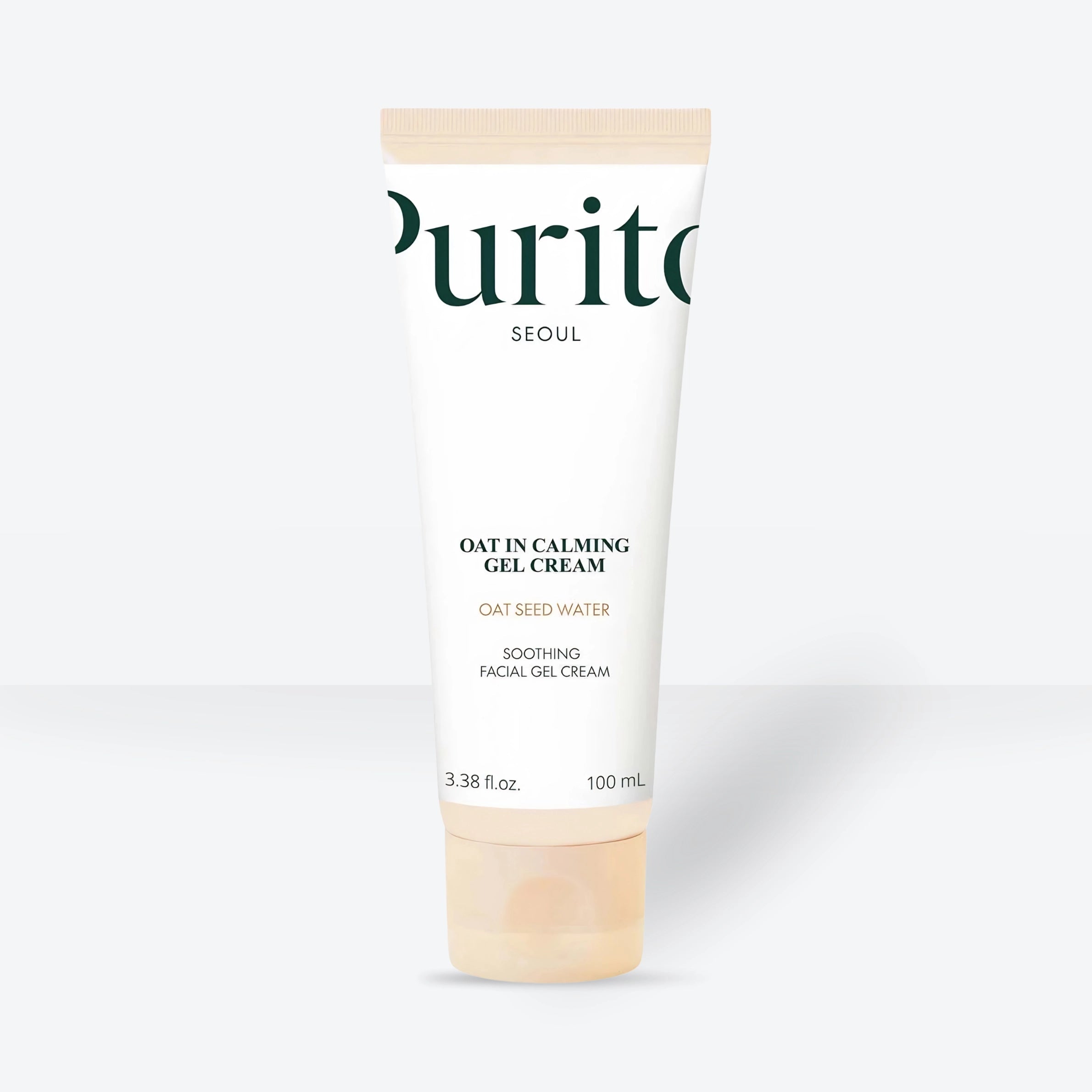
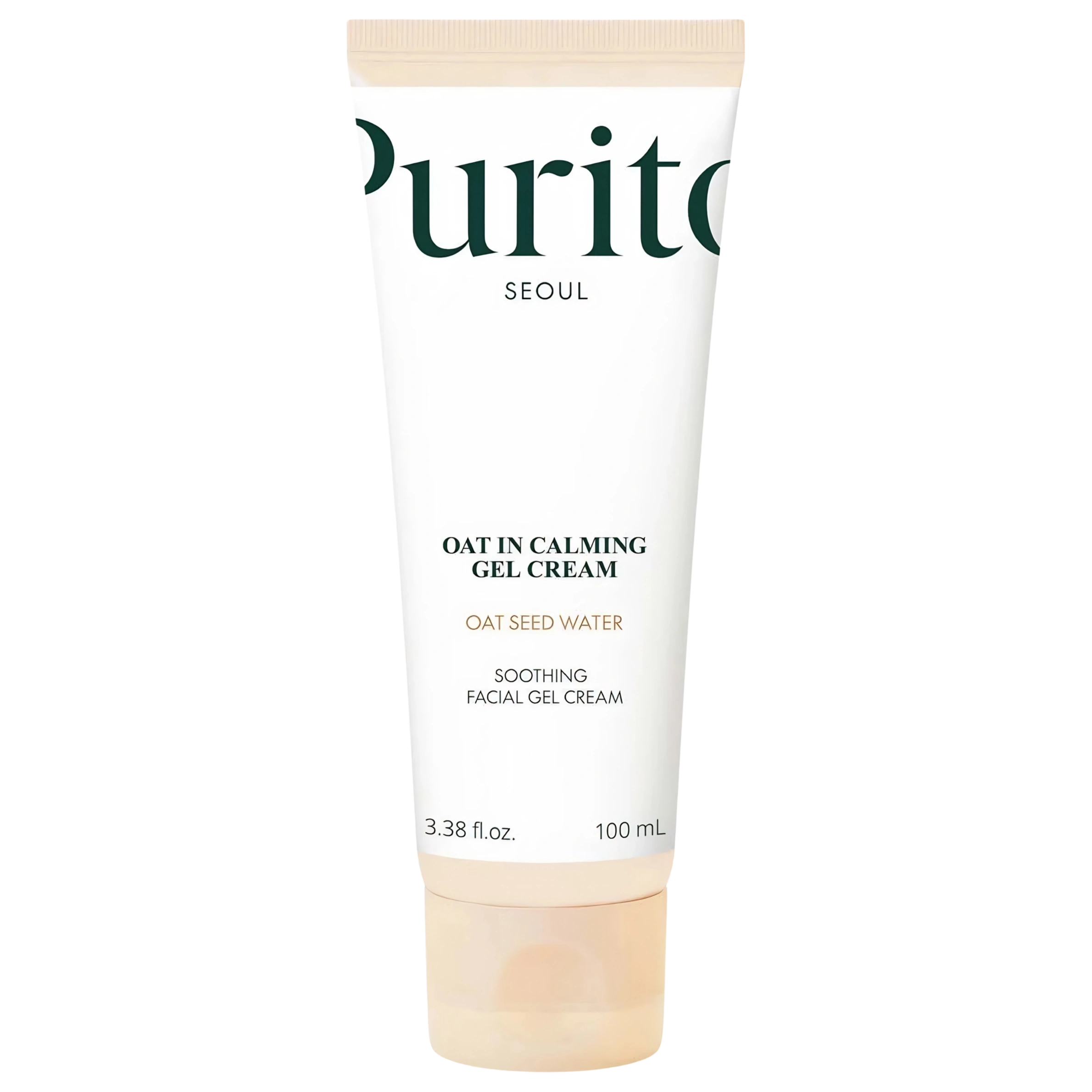
A gel face cream is water-based with very little oil. It absorbs quickly, leaves no shine, and suits oily, combination and dehydrated skin. A richer cream contains more lipids, such as ceramides and squalane, which protect skin from drying out. If you're not sure which one to pick, start with a gel cream and switch to a richer one if your skin feels tight during the day.
In the morning after toner and serum, before your SPF. In the evening as the last step of your routine. The order goes from the most fluid to the thickest product, so cream follows serum. That way it locks in the moisture and active ingredients your skin received before it.
Apply cream after your serum has absorbed. A pea- to hazelnut-sized amount is enough for your whole face. Warm it between your fingers, then spread it over your face with gentle upward strokes and press it into your skin. More cream doesn't mean more moisture, and an extra layer can clog pores on oily skin.
Yes. The skin on your neck is thinner and has fewer oil glands than your face, so it loses moisture and firmness faster. Spread the leftover cream over your neck and chest with gentle upward strokes. Do the same with SPF in the morning.
No. A night cream is the same cream in a richer texture. Use a richer version or a retinal cream in the evening, and a lighter day cream that works well under SPF in the morning. A separate night cream only makes sense if your day cream is very light and your skin feels tight in the morning.
In winter, your skin does best with a richer, nourishing cream with lipids, because cold, wind and dry indoor heating dry it out faster. A cream like this protects the barrier better. In summer, a light gel cream is enough for most skin types. If you don't want two creams, apply a thicker layer in the evening in winter.
No, even if it has an SPF. You'd have to apply much more cream to reach the protection stated on the packaging. In a Korean routine, SPF is a separate step you apply over your moisturizer every morning. Moisturizer takes care of hydration, SPF takes care of protection.
You'll notice softer, more hydrated skin after the first use. Repairing the skin barrier takes two to four weeks. Creams with active ingredients, such as niacinamide or retinal, show results in tone and texture in six to eight weeks. So don't switch creams after a few days, give yours at least a month.