

Heartleaf: the Korean plant that calms your skin and balances sebum at the same time
Frequently asked questions
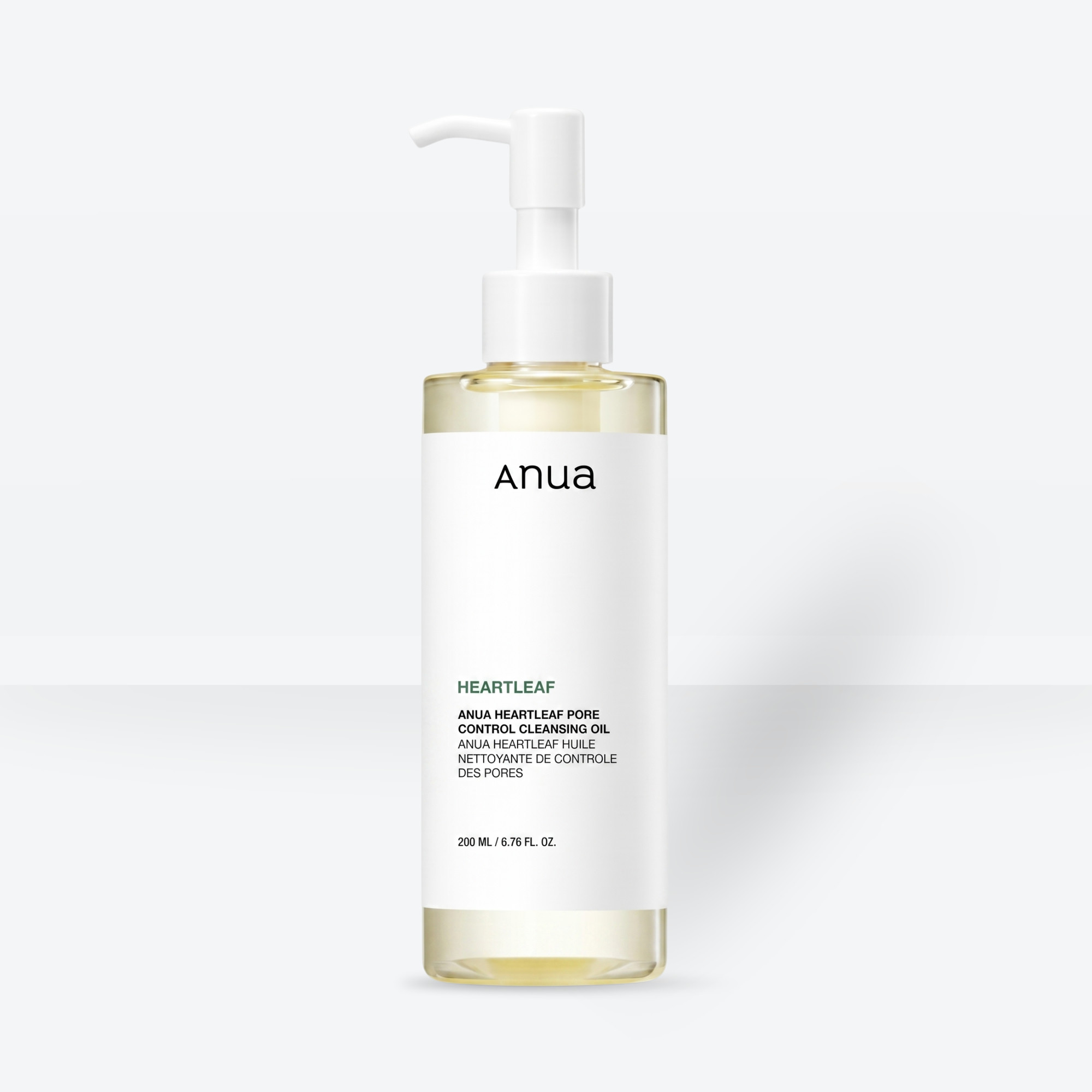
Heartleaf is the English name for the plant Houttuynia cordata, called eoseongcho in Korea. It has heart-shaped leaves and grows in damp areas of Asia, where traditional medicine used it for inflammation and wounds. In skincare it calms redness, balances sebum and is mildly antibacterial. It's best known from the ANUA Heartleaf line.
It calms redness and stinging, balances sebum production and helps with inflamed blemishes. It hydrates your skin without heaviness and restores a healthy pH after cleansing. It works mainly through quercetin and flavonoids, which are antioxidants. After it, your skin is calmer and gets less oily during the day.
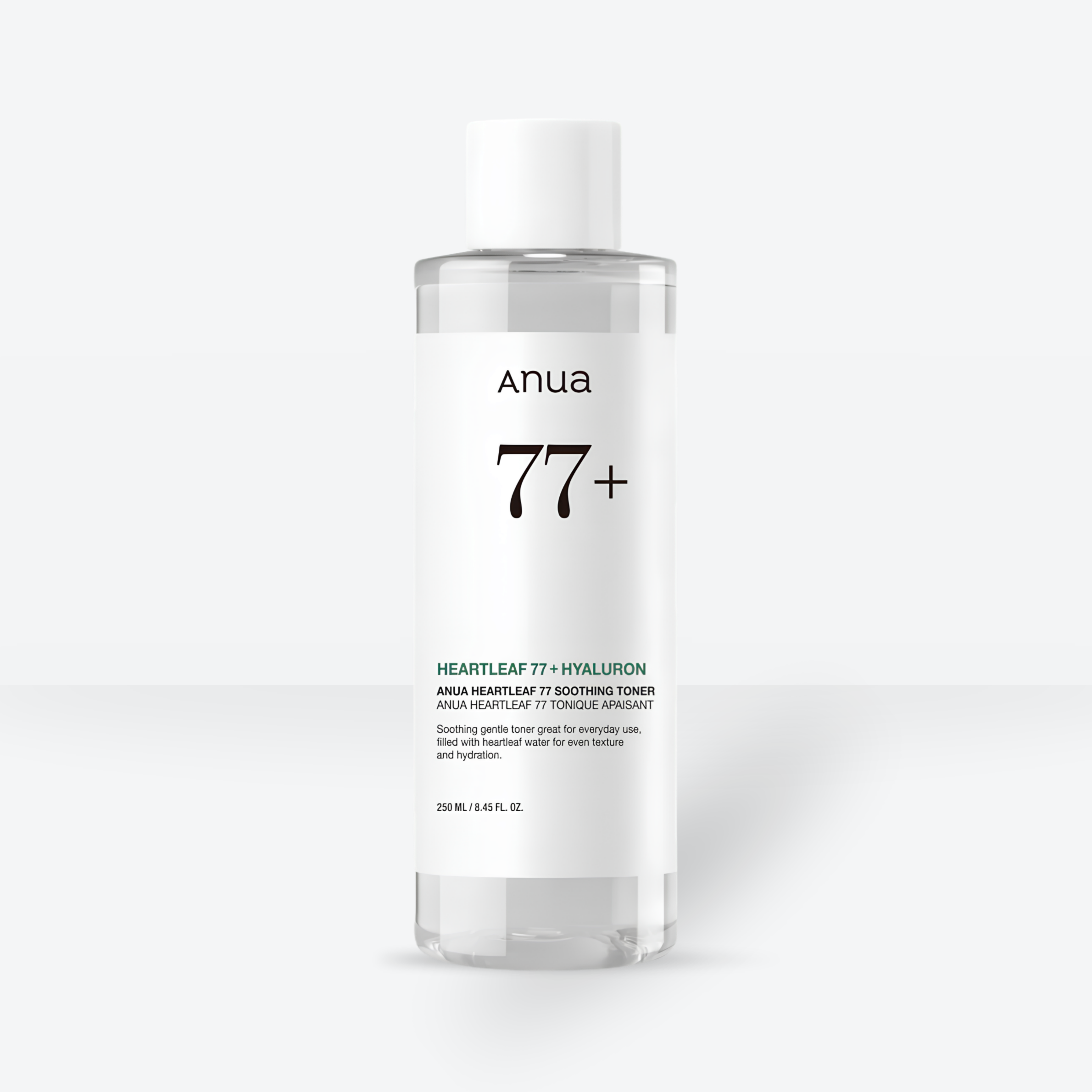
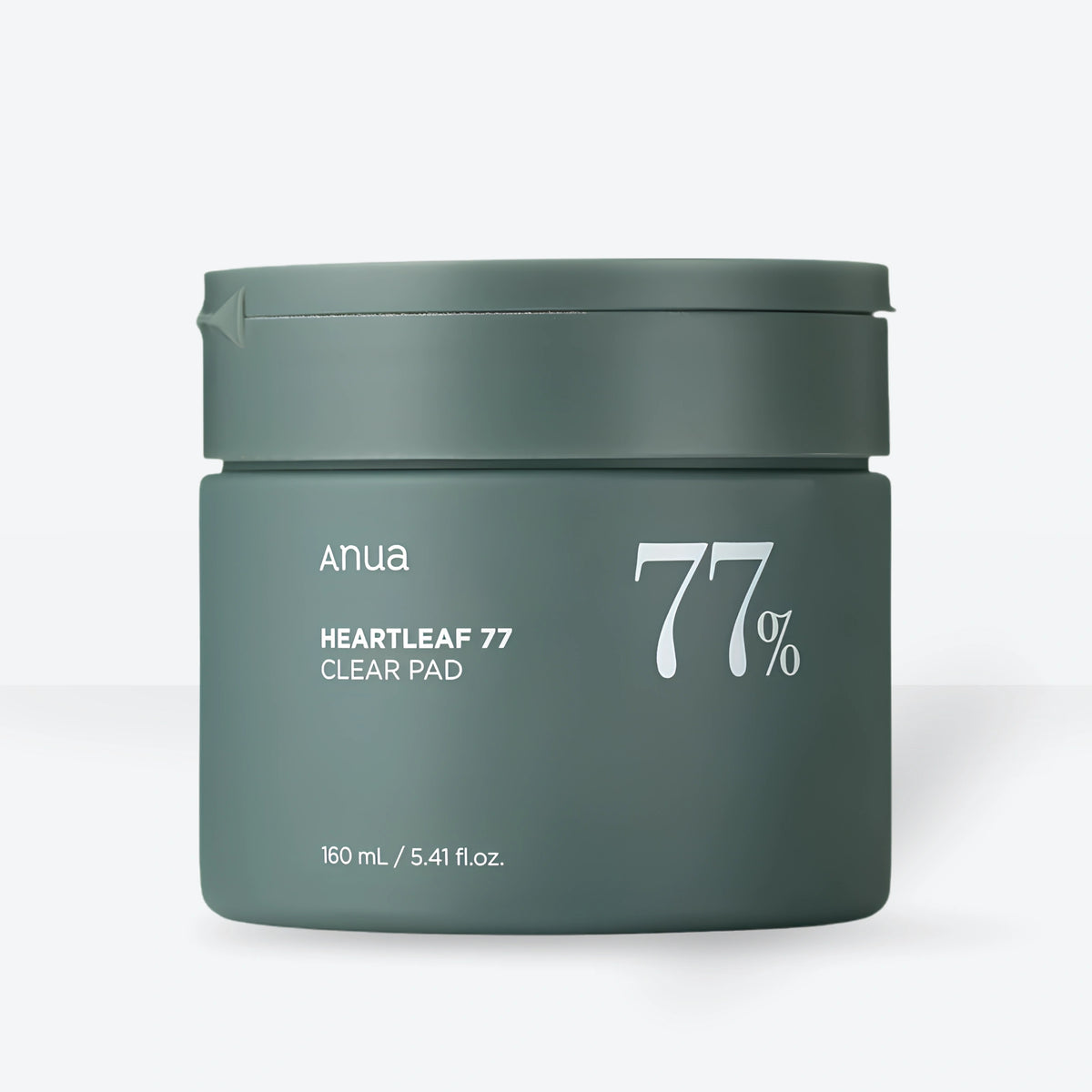
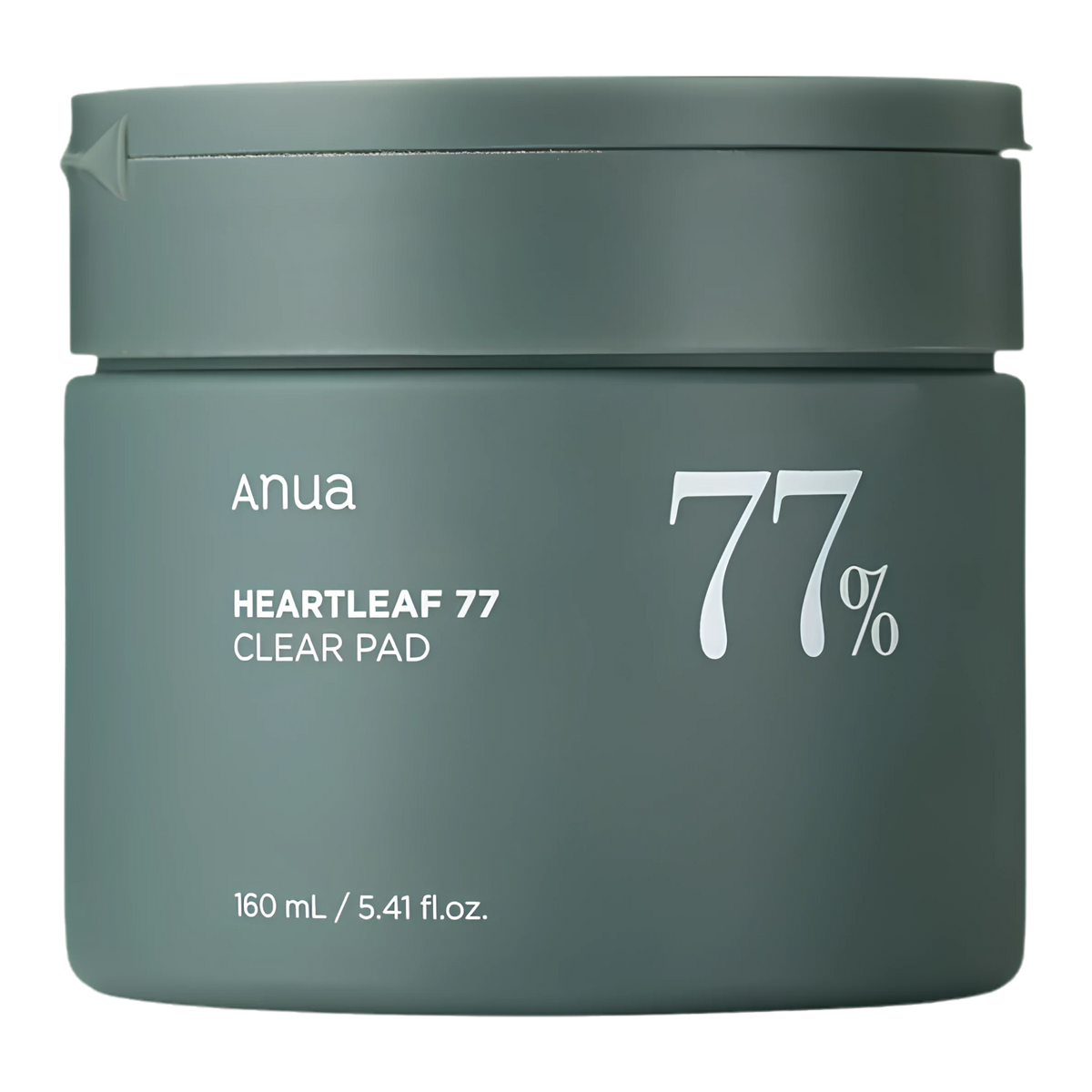
By heartleaf 77, people mean the ANUA Heartleaf 77% Soothing Toner, where the number tells you the share of extract. Quercetinol is ANUA's name for quercetin, an antioxidant from heartleaf, used in its Heartleaf Quercetinol cleansing line. So both come from the same plant. The only difference is the product and the share.
Every skin type, but most of all skin that gets oily and is sensitive at the same time. It calms your skin without drying it out, and balances sebum without irritating it. Blemish-prone skin tolerates it too. With a dry skin type, use it together with a richer cream.
It calms the inflammation around blemishes and reduces the sebum they form from. It's mildly antibacterial, but it doesn't treat breakouts on its own. That's why you should combine it with BHA, niacinamide or azelaic acid. Heartleaf is what makes an anti-blemish routine bearable for your skin.
Both plants soothe, but in different ways. Cica focuses on repair and healing, so it's for irritated and damaged skin of any type. Heartleaf adds sebum control and mild antibacterial action to soothing, which is what skin that gets oily and blemish-prone skin look for. For dry reactive skin choose cica, for oily sensitive skin choose heartleaf.
Mugwort, or Korean wormwood, is a soothing plant with antioxidants that's better suited to dry, mature and irritated skin. Heartleaf soothes and balances sebum at the same time, so it's for skin that gets oily, whether all over the face or only in the T-zone. Neither of them clashes with active ingredients. The choice depends on whether your skin gets oily or dry.
Heartleaf is gentler, it soothes and balances sebum without drying. Tea tree is more strongly antibacterial and targets breakouts more directly, so it works faster on inflamed blemishes on oily skin, but it can dry out or irritate your skin. For reactive skin with blemishes, heartleaf is the safer choice. Many people combine them: the stronger one as a spot treatment, heartleaf all over the face.
After cleansing, shake a few drops onto your palms or a cotton pad and gently pat it into the skin on your face. Twice a day; when your skin turns red, apply two layers. Then follow with serum and cream. You can also use it as a short compress on a red area.
Your skin is calmer after the first few applications. After one to two weeks your skin gets less oily during the day, and redness after cleansing is less frequent. For inflamed blemishes, count on three to four weeks. The effect lasts as long as you use the products regularly.