


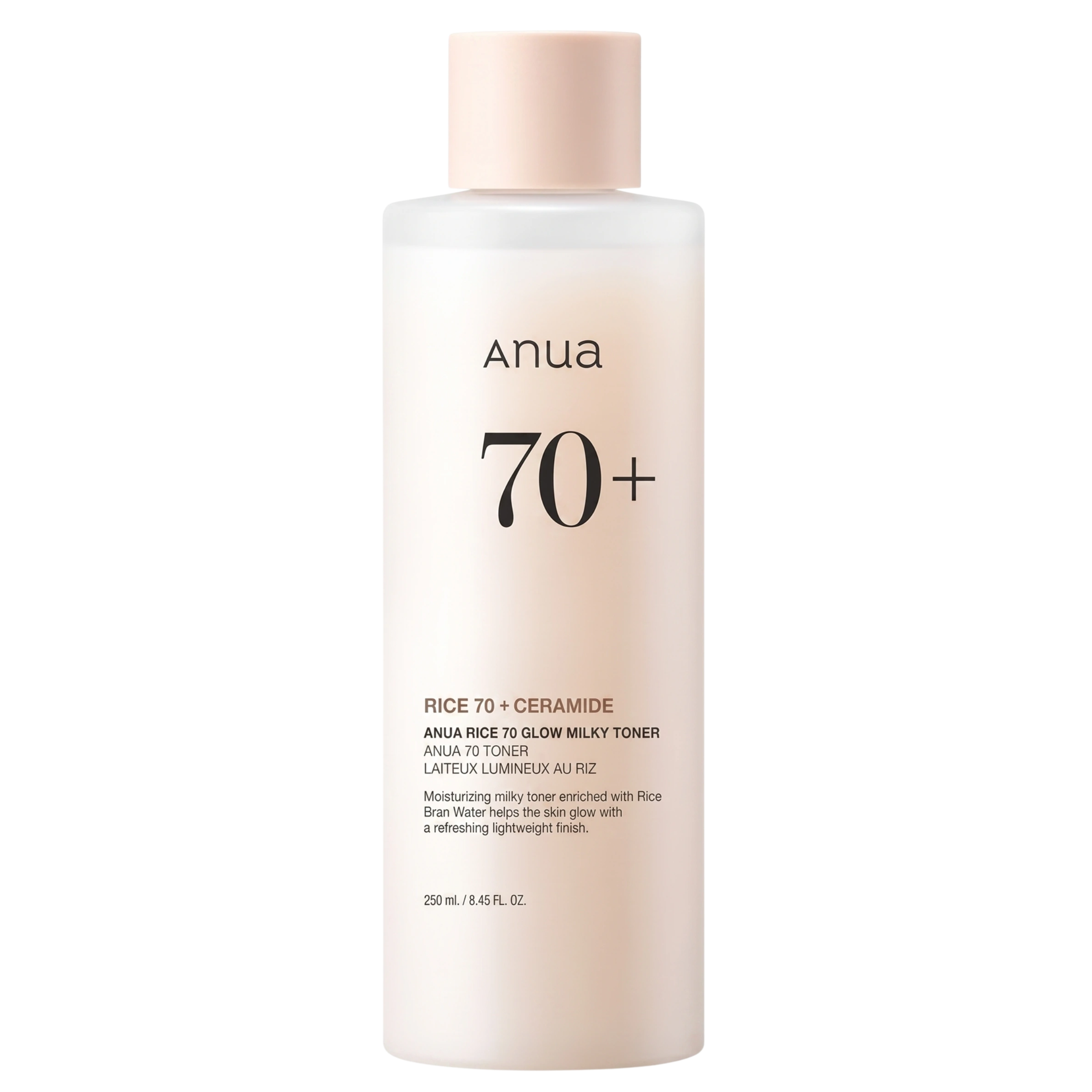


Niacinamide for balanced skin without excess shine and dark spots
Frequently asked questions
Niacinamide is a form of vitamin B3 used in skincare to regulate sebum, soothe facial redness, even out skin tone, and support the skin barrier. It's considered one of the most versatile and well-tolerated active ingredients, which is why it's often the first one you add to your routine.
Yes. Niacinamide is one of the more common choices for oily skin, because it helps regulate the amount of sebum on the surface. Your skin may shine less during the day and your pores clog more slowly. At dglow we recommend combining niacinamide with a lighter cream for oily skin rather than trying to replace it with aggressive cleansing.
We often choose niacinamide for acne because it usually doesn't dry out or peel the skin. If you're looking for an acne serum or acne cream, it can be a good base that you later complement with salicylic or azelaic acid. For more severe or painful acne, we recommend consulting a dermatologist.
Niacinamide is a common ingredient in products for dark spots, because it affects the transfer of pigment toward the skin's surface. With regular use, spots can gradually appear less pronounced. If you're wondering how to get rid of dark spots, it's important to know that visible changes take several weeks, and without daily SPF facial hyperpigmentation quickly darkens again.
Apply the face serum to cleansed skin, before your moisturizer. You can use a niacinamide serum in the morning, in the evening, or twice a day. In the morning, always finish your routine with sun protection, because without it even the best face serum won't deliver the expected results.
Yes. In practice, niacinamide and vitamin C complement each other well and you can use them in the same routine. If your skin is sensitive, you can also split them into separate parts of the day, for example vitamin C in the morning and niacinamide in the evening.
You can, but not necessarily in the same step. At dglow we recommend using acids or retinoids on separate days or in separate parts of the day. The reason isn't the ingredients themselves, but the fact that several strong actives at once more often cause redness, stinging, and tightness.
We often choose niacinamide for skin that reddens easily or reacts to changes in the environment. It supports the skin's protective function and helps reduce moisture loss. If your skin barrier is damaged, we recommend simplifying your routine and temporarily setting aside exfoliators and stronger actives.
Pore size can't be changed permanently, but we can affect how clogged they get. Because niacinamide helps regulate sebum, enlarged pores can look less noticeable with regular use. If blackheads bother you as well as pores, focus your routine mainly on preventing sebum buildup.
It depends on the concern and on your skin. With shine and the feeling of oily skin, changes are often noticeable sooner, while dark spots and uneven tone take several weeks of regular use. Niacinamide is an ingredient for long-term care, not a quick fix.