





Combination skin: how to care for an oily T-zone and dry cheeks at once
Frequently asked questions
Combination skin has an oily T-zone and normal or dry cheeks. The forehead, nose and chin are shiny and have more visible pores, while the cheeks are matte and can feel tight. It's a skin type, not a condition, so it stays, but good care reduces the difference between areas. In winter it leans toward dryness, in summer toward shine.
Wash your face, wait an hour without products and check with a tissue. If the oil mark shows only on your forehead, nose and chin, your skin is combination. If the tissue is oily on your cheeks too, your skin gets oily all over and needs different care. If there's no mark anywhere and your skin feels tight, it lacks oil or water.
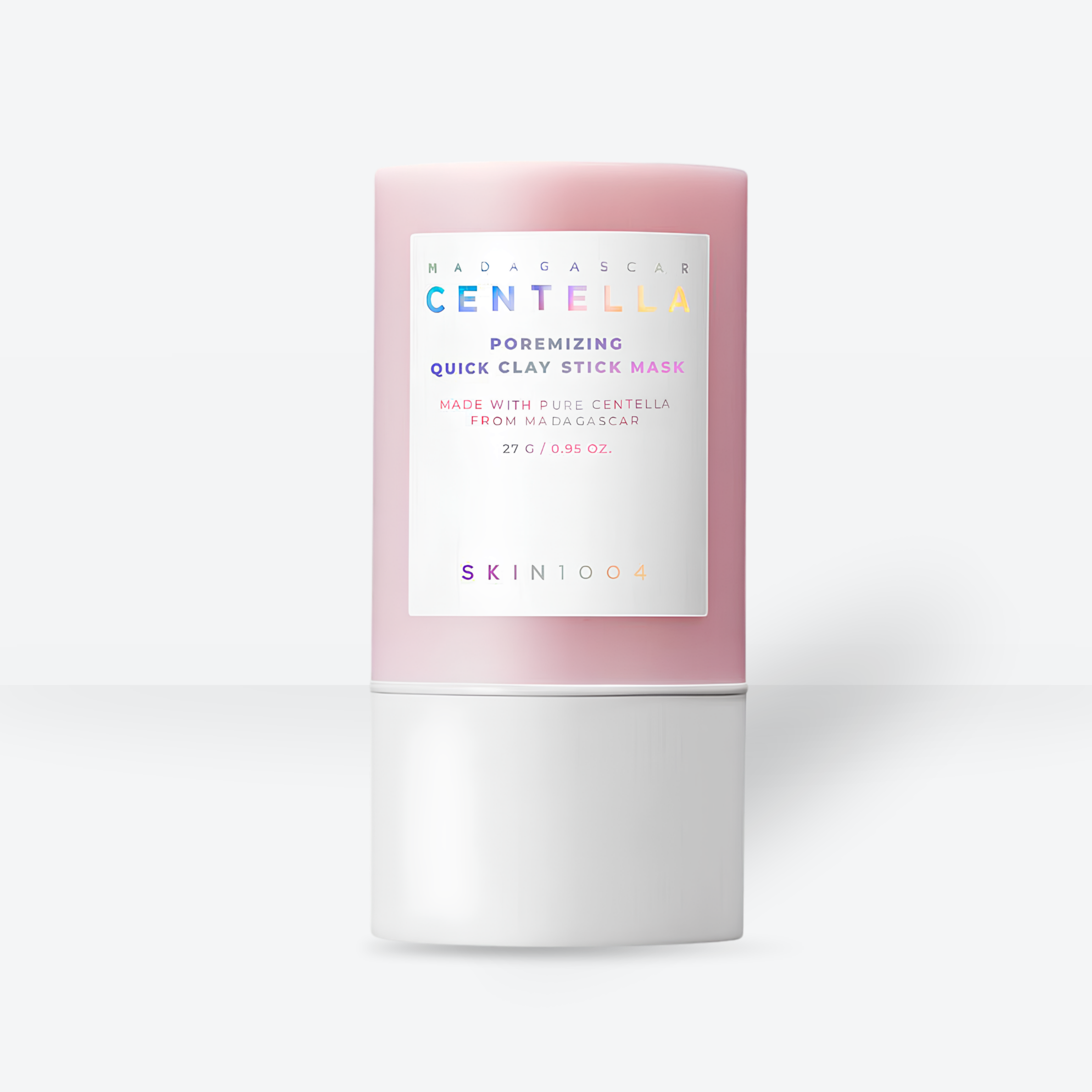
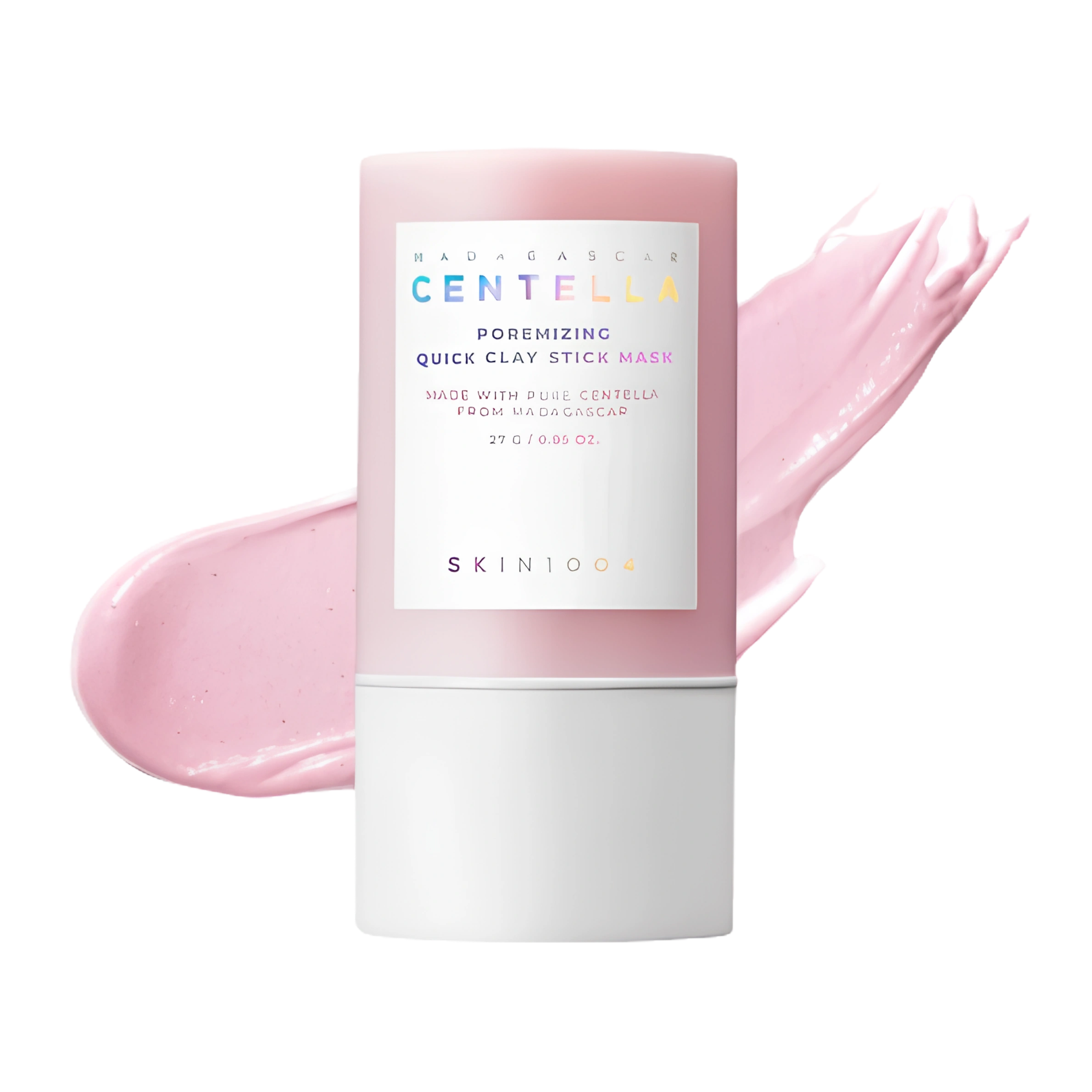
Care for combination skin is based on light layers all over your face and extra hydration only on your cheeks. A mild cleanser, a calming toner, one serum and a gel cream are enough for the basics. Add a richer texture only where your skin feels tight. Pads and a clay mask go on the T-zone only.
A face cream for combination skin should be a gel cream or a light emulsion that absorbs within a minute and doesn't leave a film. TORRIDEN Dive-in Low Molecular Hyaluronic Acid Soothing Cream and PURITO Seoul Oat In Calming Gel Cream are just that. If your cheeks feel tight in winter, apply a second layer of the same cream to them. You rarely need two different creams.
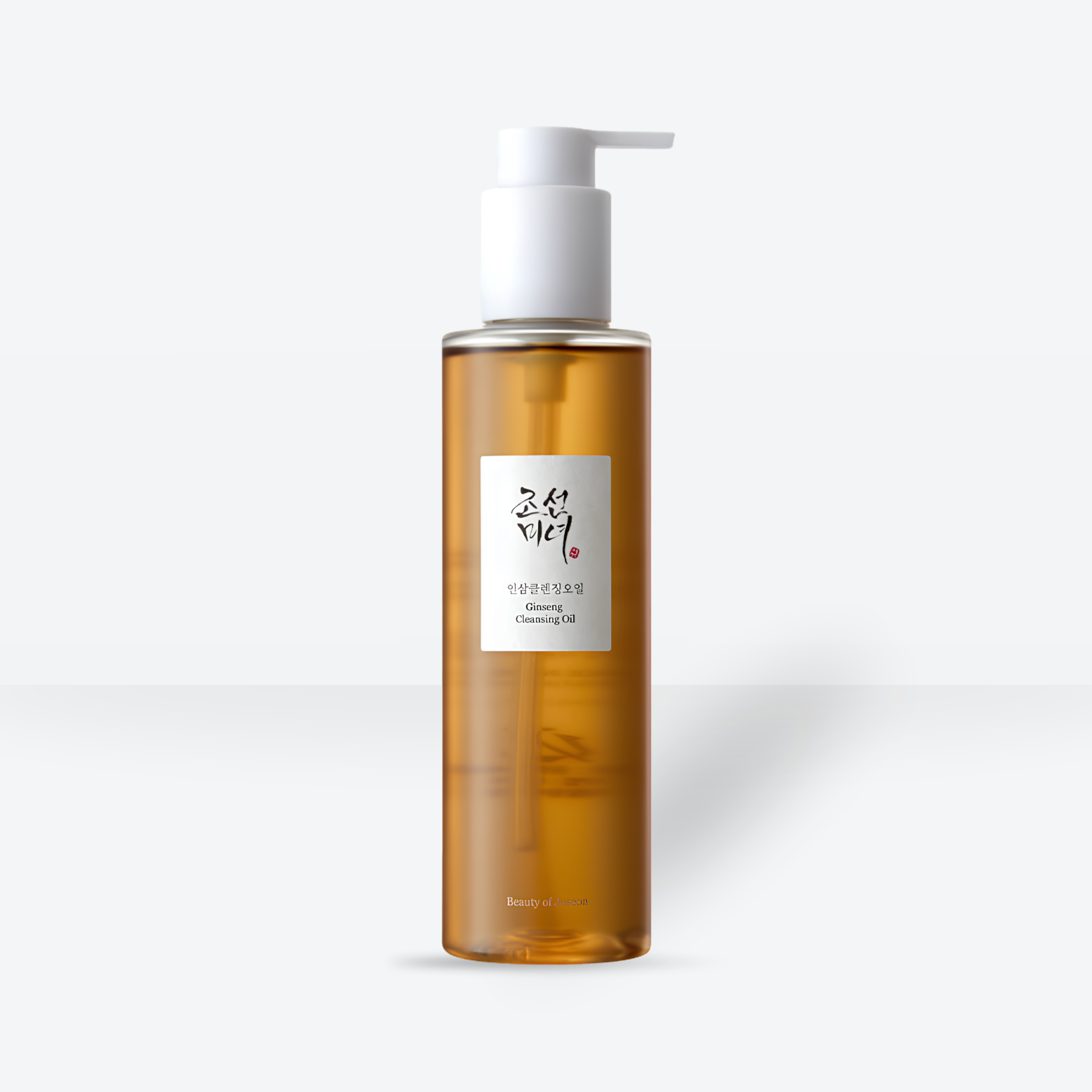
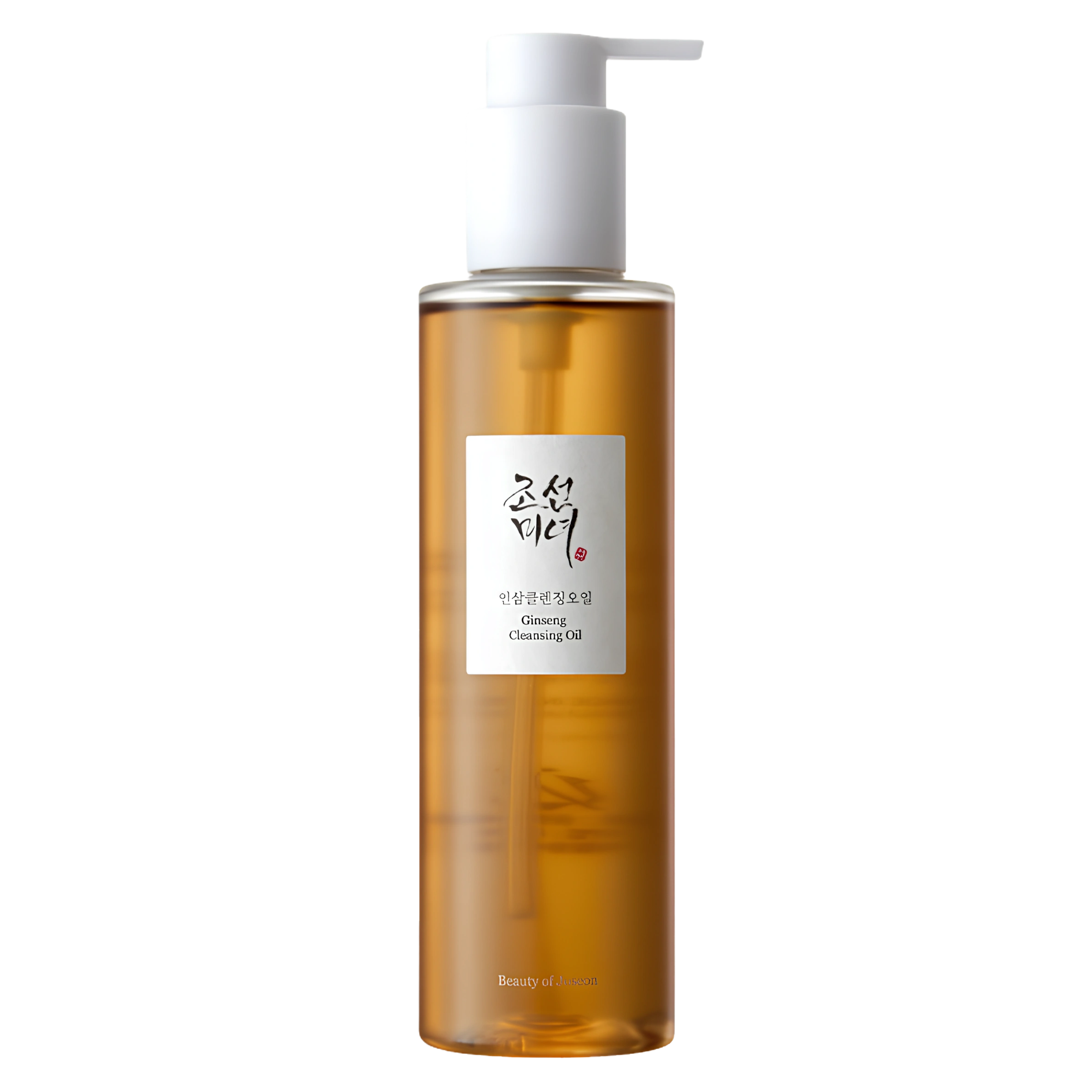
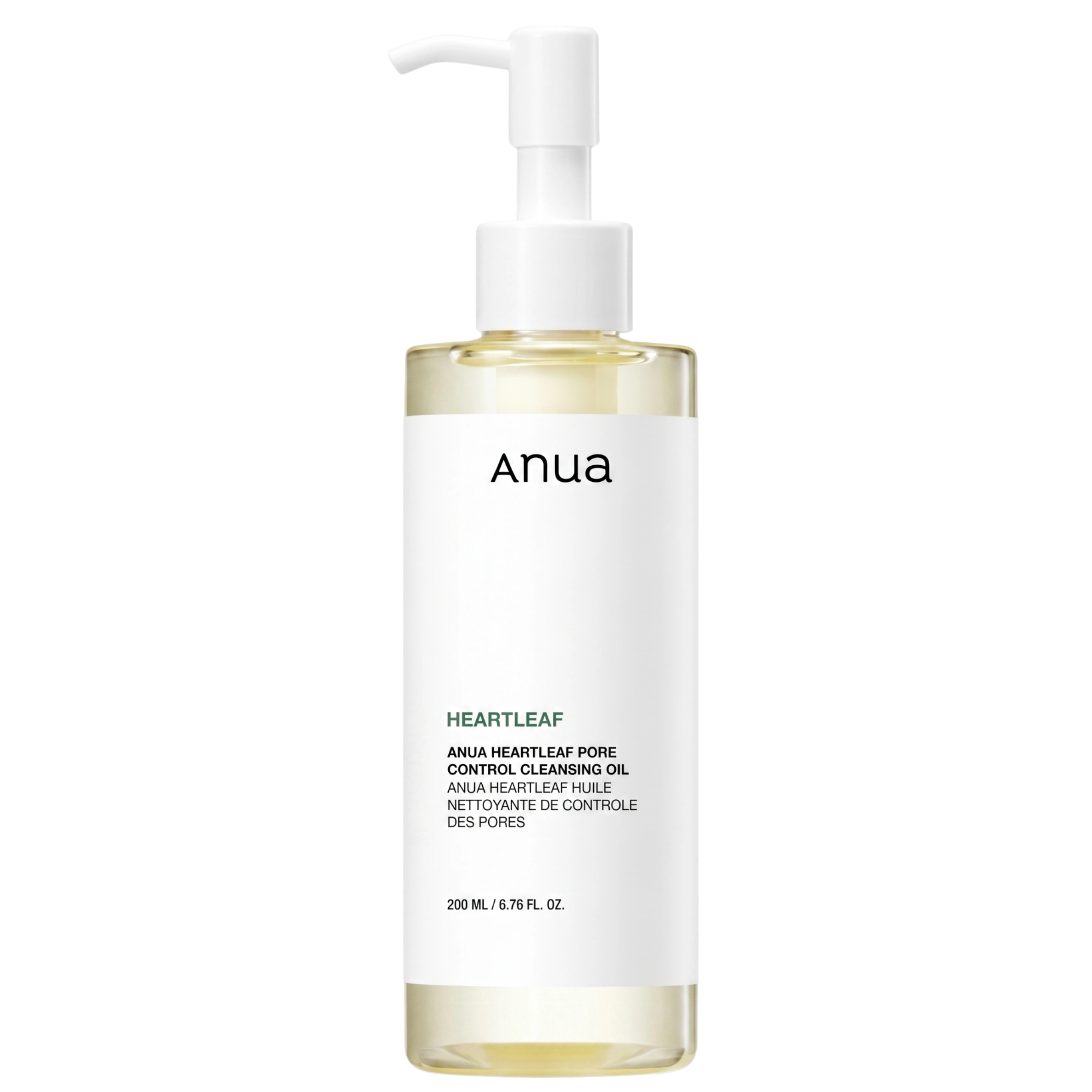
No, one mild cleanser with a pH around 5.5 that cleans the T-zone without drying out the cheeks is enough. In the evening, use a cleansing oil before it to remove SPF and makeup. Use a stronger pore foam only when your T-zone is already shiny by midmorning, and only there. Your skin shouldn't feel tight after cleansing.
Yes, but only on the T-zone and at most twice a week. Swipe pads with fruit acids and salicylic acid, like MEDICUBE Zero Pore Pad 2.0, over your forehead, nose and chin, and skip your cheeks. Your cheeks can also handle gentler PHA once a week. After acids, don't skip SPF in the morning.
A light, watery SPF that absorbs quickly and doesn't leave shine, like BEAUTY OF JOSEON Relief Sun Aqua-Fresh Rice + B5. If your cheeks need more hydration, choose a moisturizing version, like ROUND LAB Birch Juice Moisturizing Sunscreen. Apply it as the last step in the morning. A light SPF won't add shine, and skipping it harms your skin more than shine does.
Because your T-zone has more sebaceous glands and your cheeks have fewer, and cleansing too hard makes the difference bigger. A cleanser that removes shine from your forehead strips your cheeks of their protective oil, so they flake. Your T-zone responds to drying out with more sebum. Switching to a mild cleanser and a gel cream reduces the difference within a few weeks.
Yes, often it's the cheeks that are sensitive, since they're thinner and drier. That's why you should choose products without alcohol and fragrance and a calming toner, like ANUA Heartleaf 77% Soothing Toner. Use acids and clay only on the T-zone. If your cheeks turn red, add a calming gel cream, like PURITO Seoul Oat In Calming Gel Cream.
Yes, with age sebum production decreases, so your T-zone gets less shiny and your cheeks need more hydration. It also changes with the seasons: in winter it leans toward dryness, in summer toward shine. So check your routine twice a year. The base stays the same, you only change the amount of cream and how often you use pads.