

Oily Skin That's Still Dehydrated? Here's Why It Happens
For a long time I believed oily skin needs products that cleanse and mattify it as much as possible. If your skin is shiny, it surely doesn't need extra hydration on top, right?
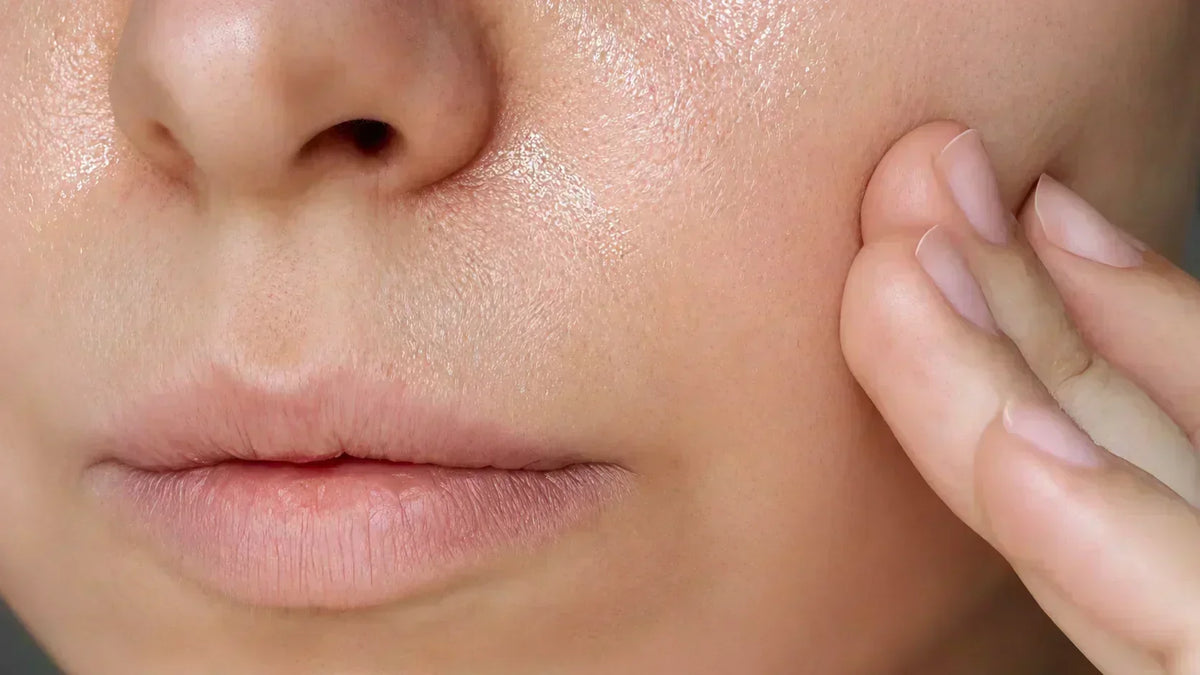
I was wrong. An oily shine doesn't actually mean the skin has enough hydration. Skin can be oily and dehydrated at the same time. That combination is a common reason you wake up with a greasy face in the morning, yet your skin feels tight after cleansing.
And I understand why it's so confusing. On one hand you want to reduce oiliness and breakouts, on the other you have a feeling your skin needs something more.
What does it mean that skin is dehydrated?
First it's important to understand the difference between dry and dehydrated skin. Dry skin is a skin type. It naturally produces less sebum, or skin oil. Dehydrated skin is a temporary condition in which the skin lacks water. It can occur with any skin type: dry, normal, combination or oily.
So nothing stops oily skin from being dehydrated at the same time. Oily skin can have plenty of sebum on the surface and still lack hydration. When that happens it may look shiny, feel tight after cleansing, and flake or seem more sensitive in certain areas.
Why is oily skin so often dehydrated?
Most of the time the problem is the way we care for it.
When skin gets oily, we want to cleanse it as thoroughly as possible. We pick a stronger cleanser, add salicylic acid (BHA), an exfoliator, a toner and an anti-blemish serum. And we skip the moisturizer, afraid it will make the skin even oilier.
The problem isn't necessarily one product. The problem arises when almost every step in the routine is designed to strip away oil.
Over-cleansing and using actives too often can weaken the skin barrier. The barrier helps keep water in the skin and protects it from external stressors. When it's weakened, skin loses moisture faster and becomes more sensitive.
How do you know whether your oily skin is dehydrated?
Signs of dehydration can include:
- your skin gets oily quickly, yet feels tight after washing,
- it flakes in certain areas,
- foundation clings to dry patches while other areas turn shiny fast,
- products you used to tolerate well now sting,
- fine lines are suddenly more pronounced,
- your skin is oily, rough and sensitive all at once.

If you notice several of these signs, what you're missing most likely isn't another anti-oil product. Your routine may need more gentleness and hydration.
The most common mistake is over-cleansing
Skin shouldn't feel tight after cleansing. That feeling doesn't mean your face is thoroughly clean. It often means the cleanser is too strong.
In the morning, a gentle cleansing gel is enough for oily skin. If your skin is sensitive or tight, it may prefer lukewarm water alone.
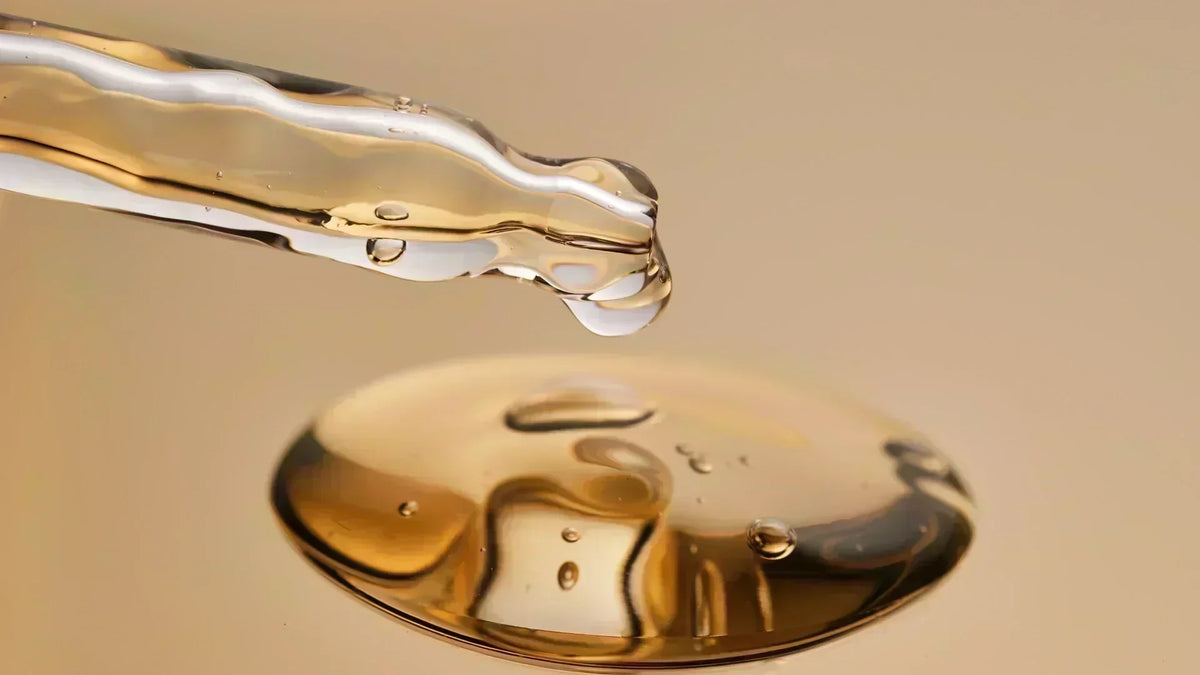
In the evening, remove SPF and makeup thoroughly, but don't scrub. For double cleansing, start with a cleansing oil, then follow with a gentle cleansing gel.
Does oily skin even need a moisturizer?
Yes. A moisturizer helps reduce moisture loss and supports the skin barrier.
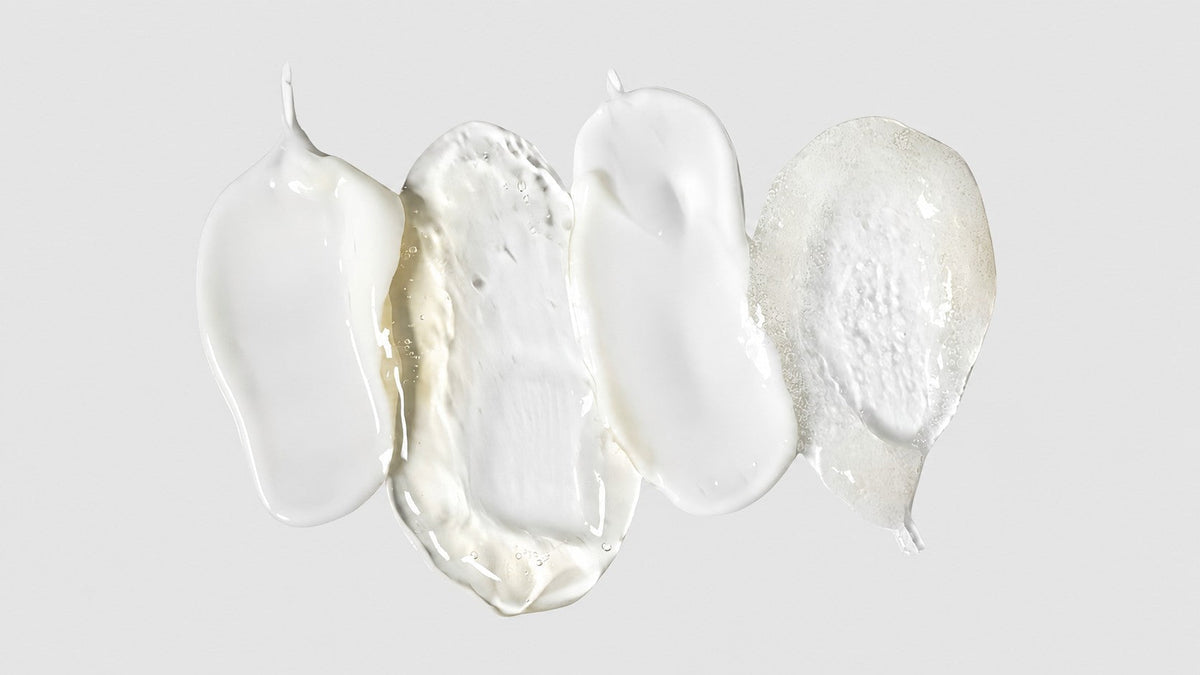
With oily skin you don't need to reach for a rich, heavy cream. Choose a light texture that absorbs quickly and leaves no greasy film on the skin.
PURITO Seoul Oat In Calming Gel Cream is a light gel cream I particularly like for this kind of skin. It hydrates and calms the skin without feeling like you've put on a thick layer of product.

What about toner and serum?
If your skin is dehydrated, you can add both a hydrating toner and a serum. The TORRIDEN Dive-In collection, designed for intensive hydration, is excellent for this kind of care. It's also one of the best-selling skincare brands in Korea.

The toner preps the skin for the rest of your routine and adds a first layer of moisture, while the serum hydrates further and helps the skin hold on to that moisture.
For a light first layer after cleansing, choose the TORRIDEN Dive-In Hyaluronic Acid Toner. I gently pat it into my skin with my palms, no cotton pad.
Then apply the TORRIDEN Dive-In Hyaluronic Acid Serum, which gives the skin even more moisture without a heavy or greasy feel. You can use the toner and serum together, as they complement each other nicely.
If you use a serum for breakouts, pores or redness, you don't have to apply it in the same routine as your hydrating serum. Use one, ideally the hydrating one, in the morning and the other in the evening. Introduce the active serum slowly, especially if your skin already stings or flakes.
A simple routine for oily, dehydrated skin
In the morning, the goal is to gently cleanse, hydrate and protect the skin.
Start with a gentle cleansing gel or just lukewarm water. Then use a hydrating toner and/or serum. You can add a cream, and the last step should always be SPF.
If your SPF is hydrating enough, you can skip the cream in the morning. SKIN1004 Madagascar Centella Hyalu-Cica Water-Fit Sun Serum is light, hydrating and leaves no heavy feel on the skin.
In the evening, first remove SPF and makeup, then wash your face with a gentle cleansing gel. Continue with a hydrating toner and/or serum and finish with a cream.
If your skin is currently irritated, cut back on or pause acids, retinoids and other strong actives for a while. Let the skin calm down first, then gradually add them back.
To sum up...
Oily skin doesn't need constant drying out.
If your face is shiny but feels tight after cleansing, don't immediately reach for an even stronger anti-oil product. Review your routine first. You may be using too many actives, a cleanser that's too strong or too little hydrating care.
Start simple: a gentle cleanser, a hydrating toner and/or serum, a light cream and SPF. Skin often doesn't need more products. It needs better-chosen ones.
Read next: Skincare Routine Order: My Step-by-Step Morning and Evening Routine
Sources:
- American Academy of Dermatology: How to control oily skin
- Ananthapadmanabhan et al.: The impact of cleansers on the skin barrier
- Rajkumar et al.: The Skin Barrier and Moisturization: Function, Disruption, and Mechanisms of Repair
- Del Rosso: The Role of Skin Care as an Integral Component in the Management of Acne Vulgaris

Leave a comment
This site is protected by hCaptcha and the hCaptcha Privacy Policy and Terms of Service apply.