








Oily skin care without dryness or a heavy feel
Frequently asked questions
You can recognize oily skin by more pronounced shine, especially on the forehead, nose, and chin, by skin getting oily faster during the day, and by more frequent clogged pores or blackheads. Pores can also be more visible. If skin only gets oily in the T-zone while the cheeks stay normal or dry, it's most likely combination skin rather than truly oily skin.
Oily skin care should include gentle cleansing, a targeted serum or toner, a lightweight moisturizer, and daily SPF. Don't try to degrease your skin completely. Build your routine to remove excess sebum, keep enough moisture, and target a specific concern such as clogged pores, blemishes, or excess shine.
Yes. The amount of sebum and the amount of water in the skin aren't the same thing, so oily skin needs hydration too. Choose a lighter gel or fluid texture that absorbs quickly and doesn't leave a heavy feel on the face. Don't skip moisturizer just because your skin shines during the day.
Yes. Oily skin is a skin type, while dehydration is a condition in which skin lacks water. Skin can therefore shine a lot while also feeling tight after cleansing, flaking, or becoming sensitive. In that case put more emphasis on gentle cleansing, hydrating serums or toners, and skin barrier support.
For oily skin you'll often choose products with niacinamide, salicylic acid (BHA), hyaluronic acid, and soothing ingredients such as Centella asiatica. Salicylic acid is especially interesting for clogged pores, while niacinamide is often used for skin with more pronounced shine and blemishes. You don't need to use all the actives at once; choose them based on your skin's main concern.
Gently cleanse your face in the morning and evening, and additionally after heavy sweating. Washing too often or using aggressive cleansers can irritate the skin. Choose a gentle cleanser that doesn't leave skin uncomfortably tight. In the evening, also make sure to thoroughly remove makeup and SPF.
Pore size can't be changed permanently, but with the right routine you can reduce how clogged they get and improve their appearance. Regular gentle cleansing, proper hydration, and thoughtful use of ingredients such as salicylic acid all help. If you have blackheads or blemishes as well as visible pores, focus your routine mainly on preventing the buildup of sebum and dead skin cells in the pores.
No. Oily skin produces more sebum, but that doesn't necessarily mean acne will appear. Excess oil can contribute to clogged pores, but other factors also affect acne. If you have oily skin without blemishes, you don't need a full acne routine. Choose products based on the actual condition of your skin.
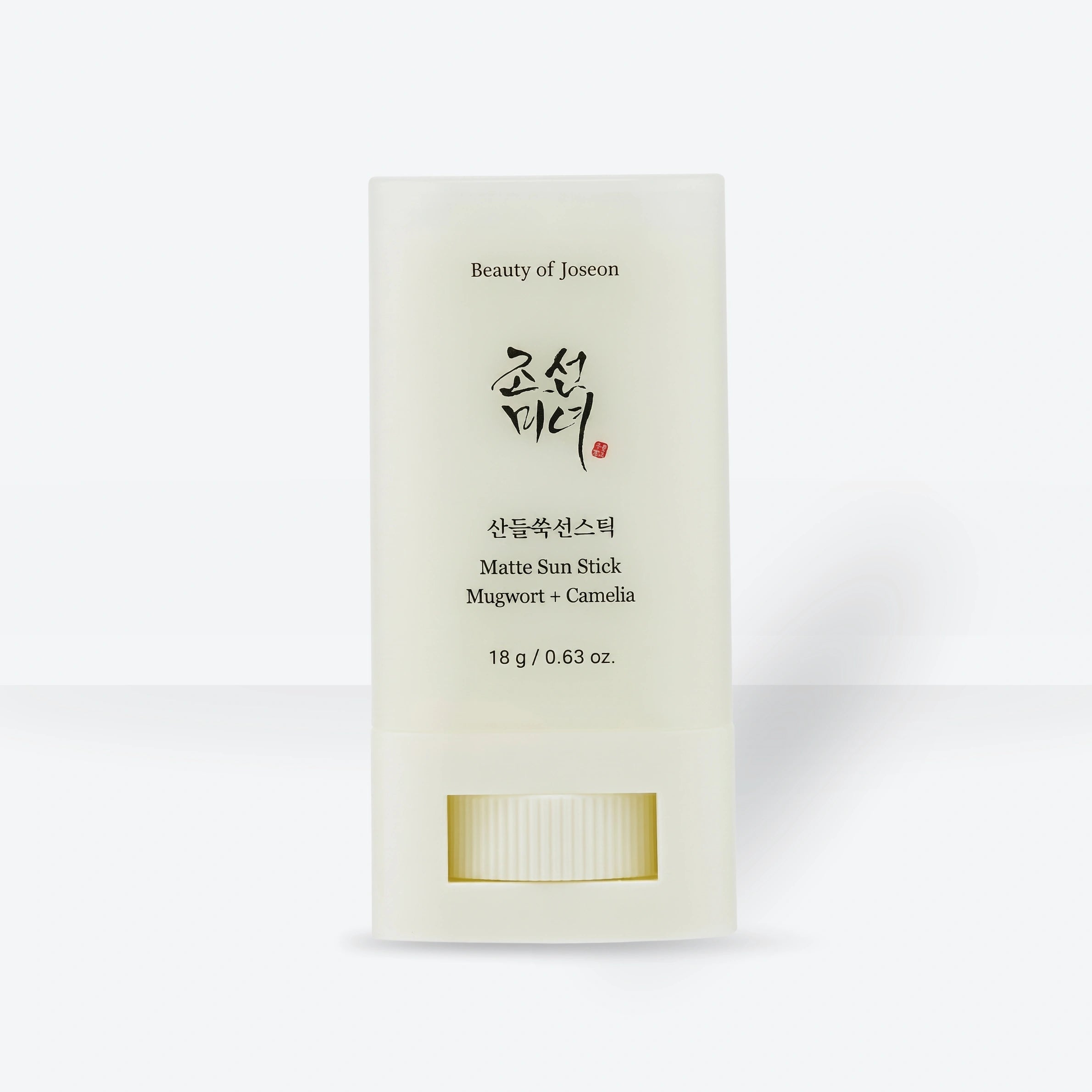
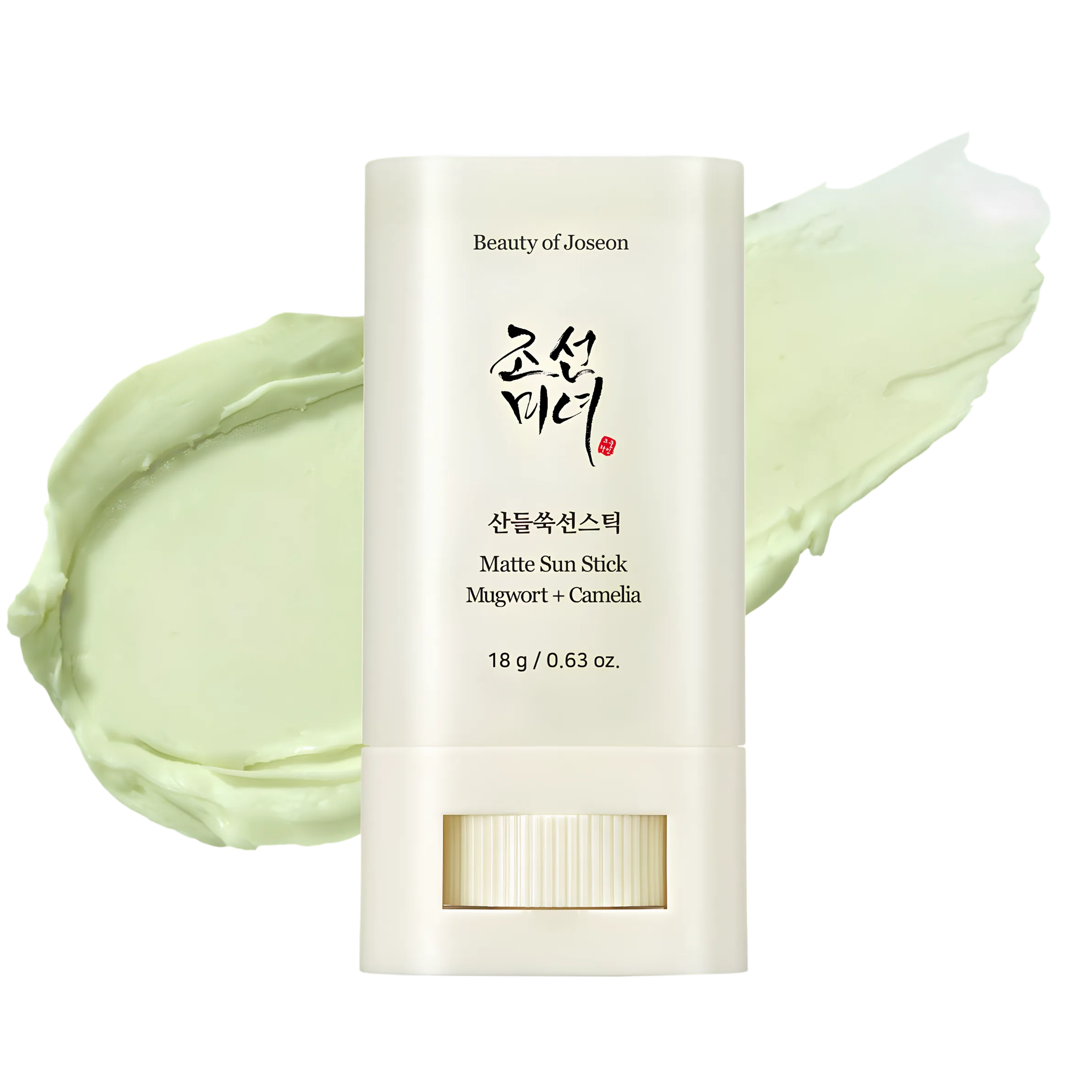
Yes. SPF matters for oily skin too. If heavy or greasy textures bother you, choose a lighter SPF that absorbs quickly and works well with the other steps of your routine. UV protection is especially important if you use acids or other active ingredients in your routine.
In the morning, start with gentle cleansing, continue with a lightweight serum or toner, apply moisturizer if needed, and finish with SPF. In the evening, remove makeup and sunscreen, cleanse your face, and then use a targeted serum and moisturizer. Start with a few basic steps and add new actives gradually instead of changing your whole routine at once.